Headlands Residency Fall 2025
2025
Reflection: My time at Headlands
My intention was to get back into my walking practice. I had been desiring to be in direct conversation with my work. Being at Headlands brought me back to working from a place of desire and presence. I approached my process at Headlands as a conversation with the space, allowing the space to open up the direction of my work.
The studio asked me to approach it through embodied movement. This movement became focused along its edges, with my body walking horizontally trying to trace the shape of the space that contained me with my feet. As I horizontally tried to walk and push along the floor moulding, I felt like this embodied delineation was an act of pushing my own edges. This action led me to focus on ways of making that were outside my usual approach, namely photography and performance.
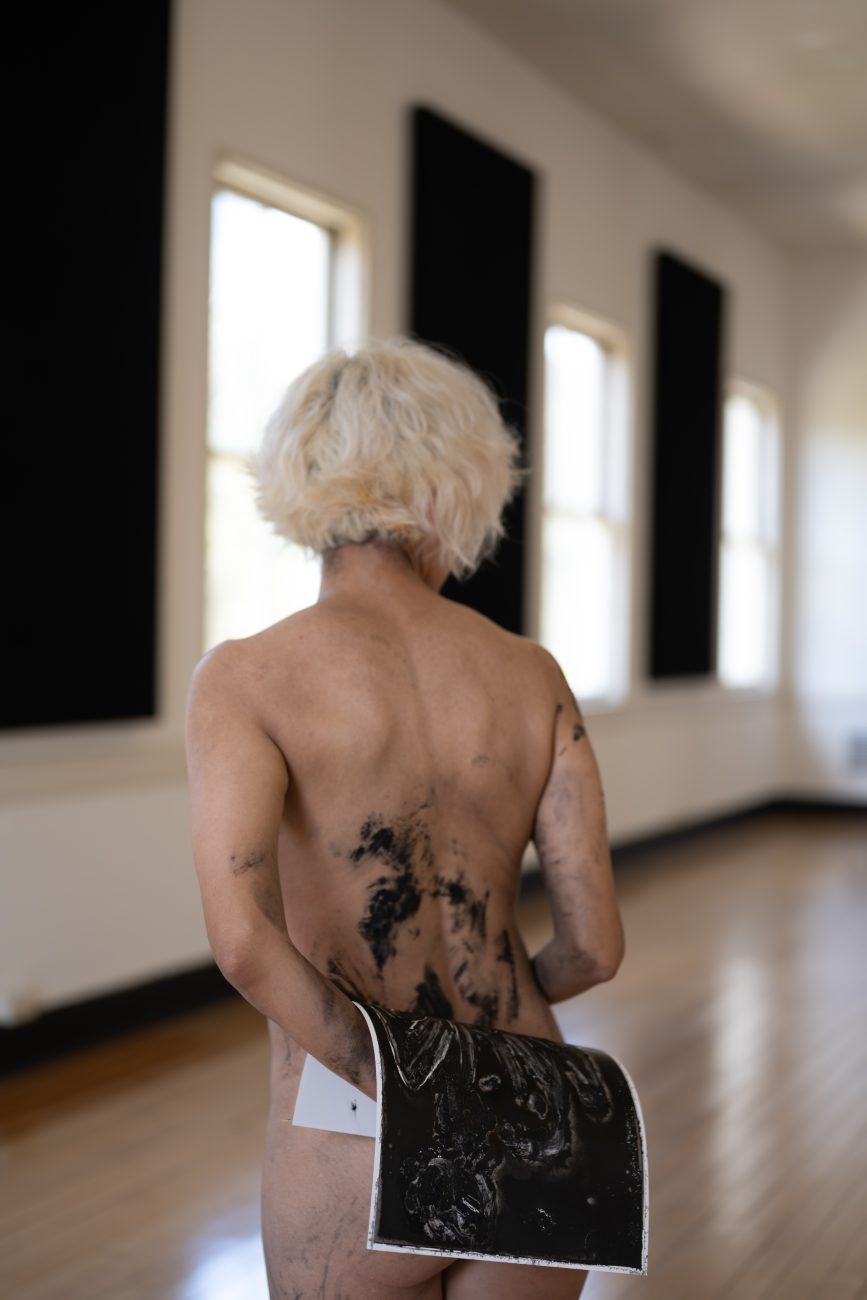
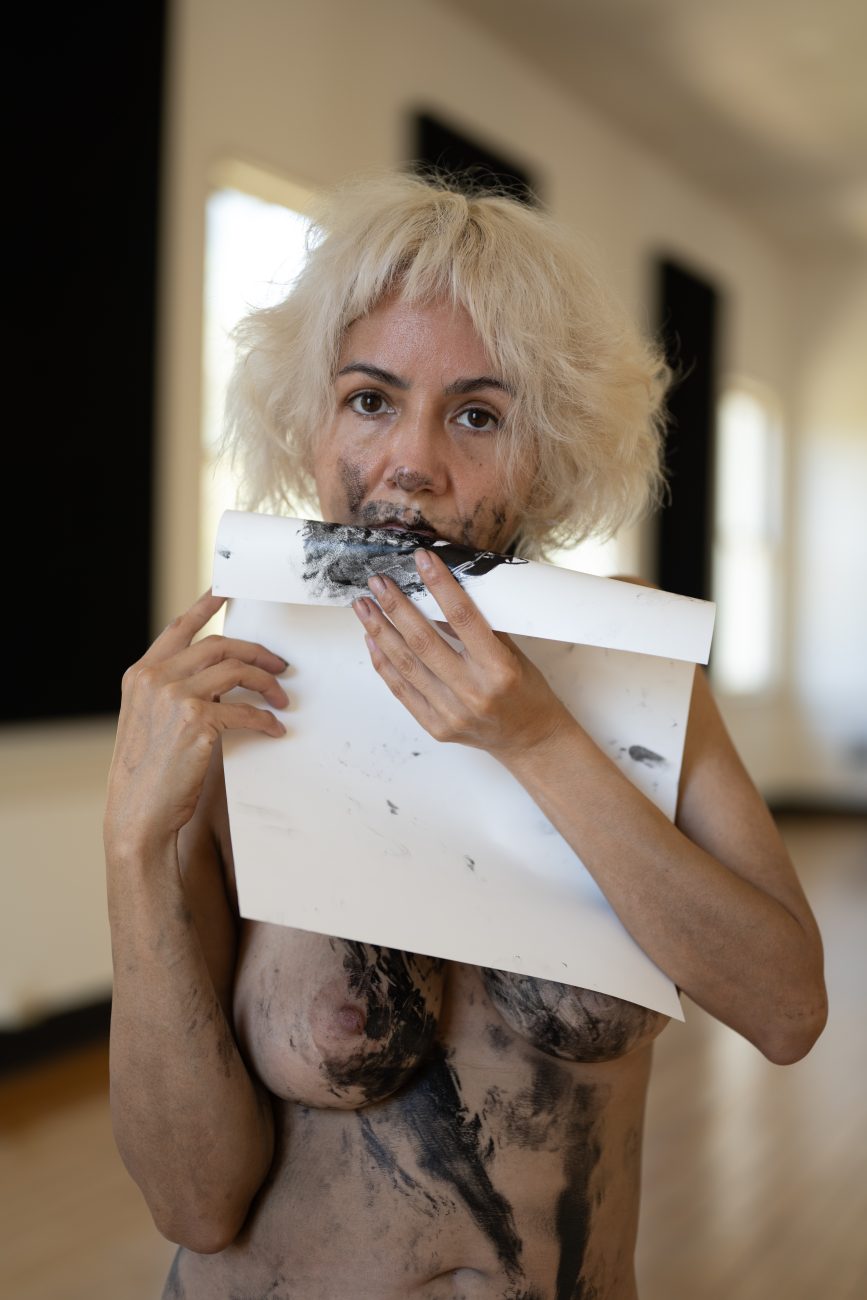
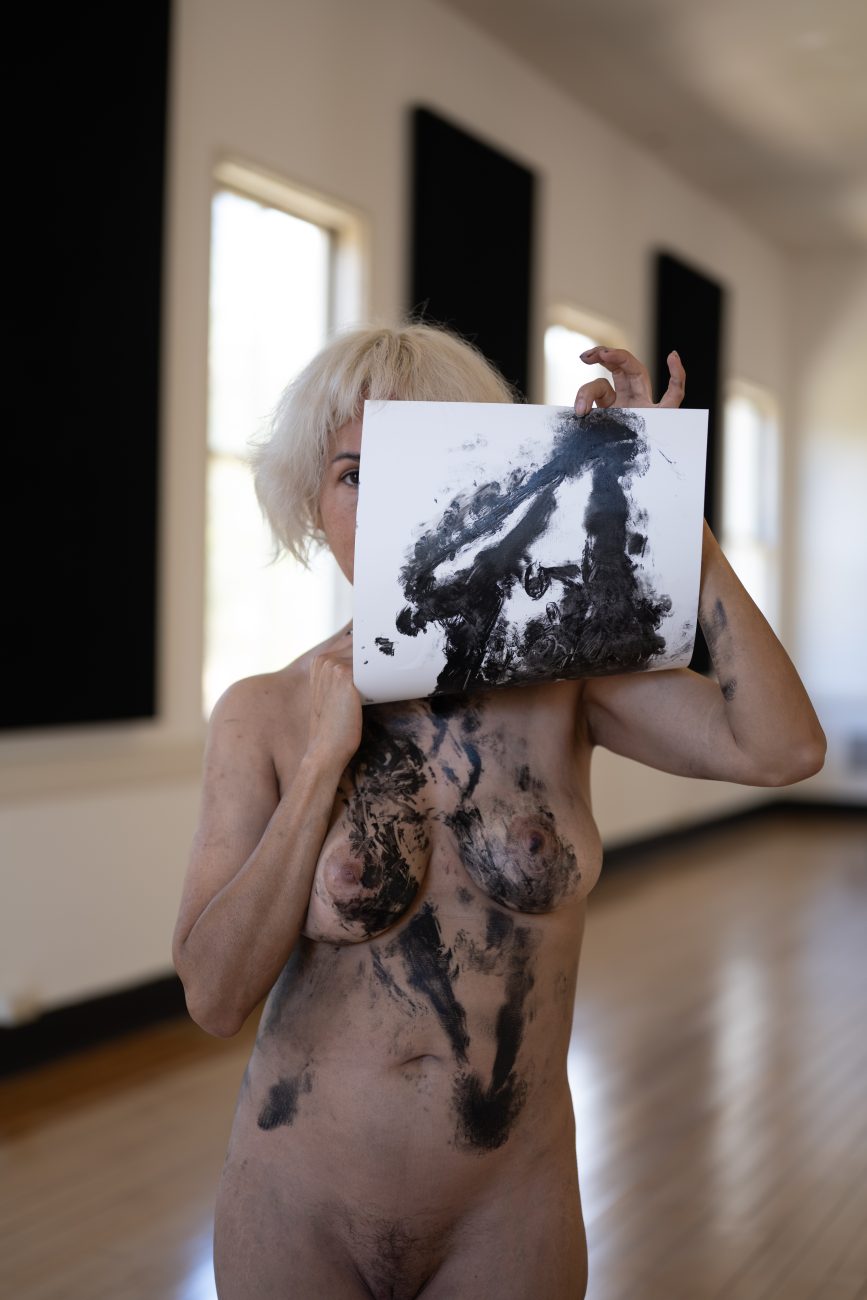
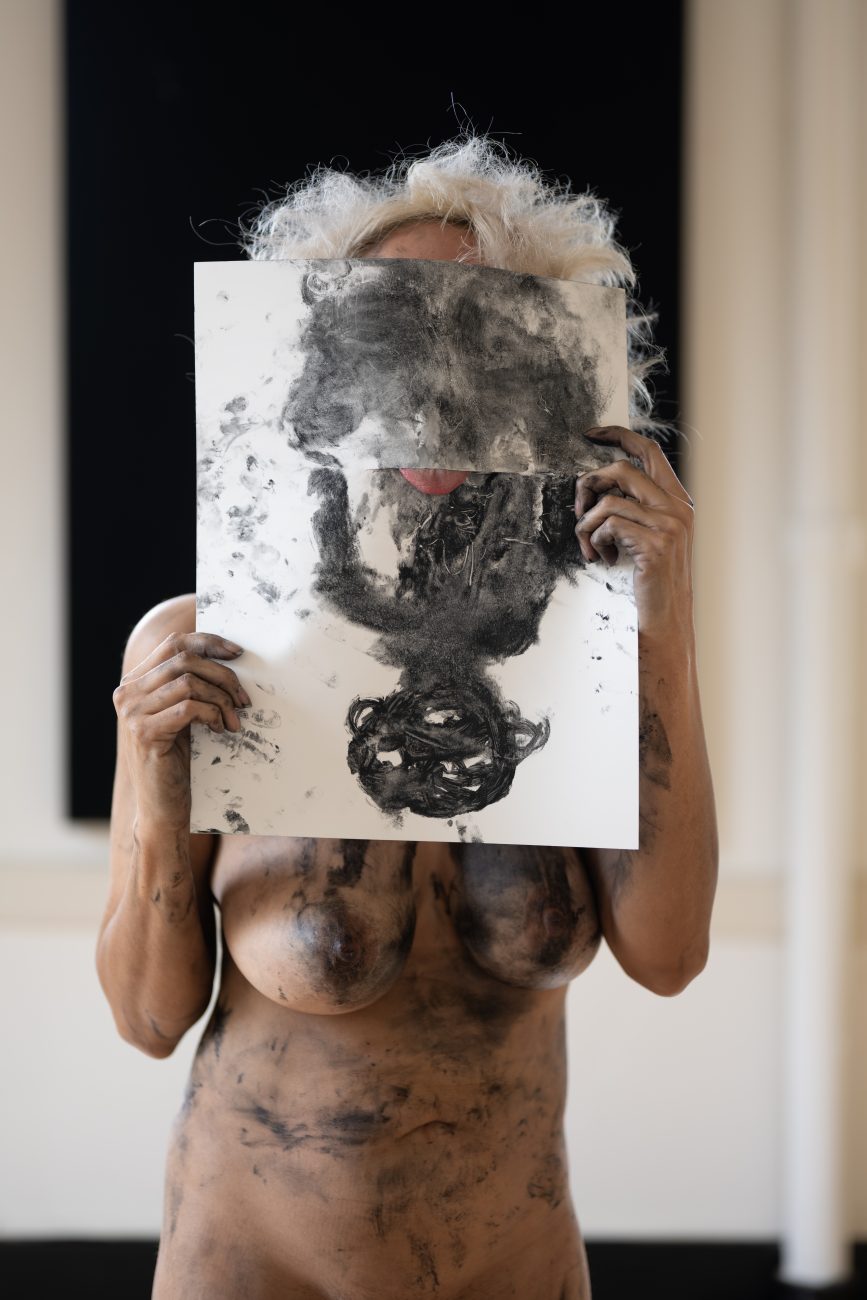
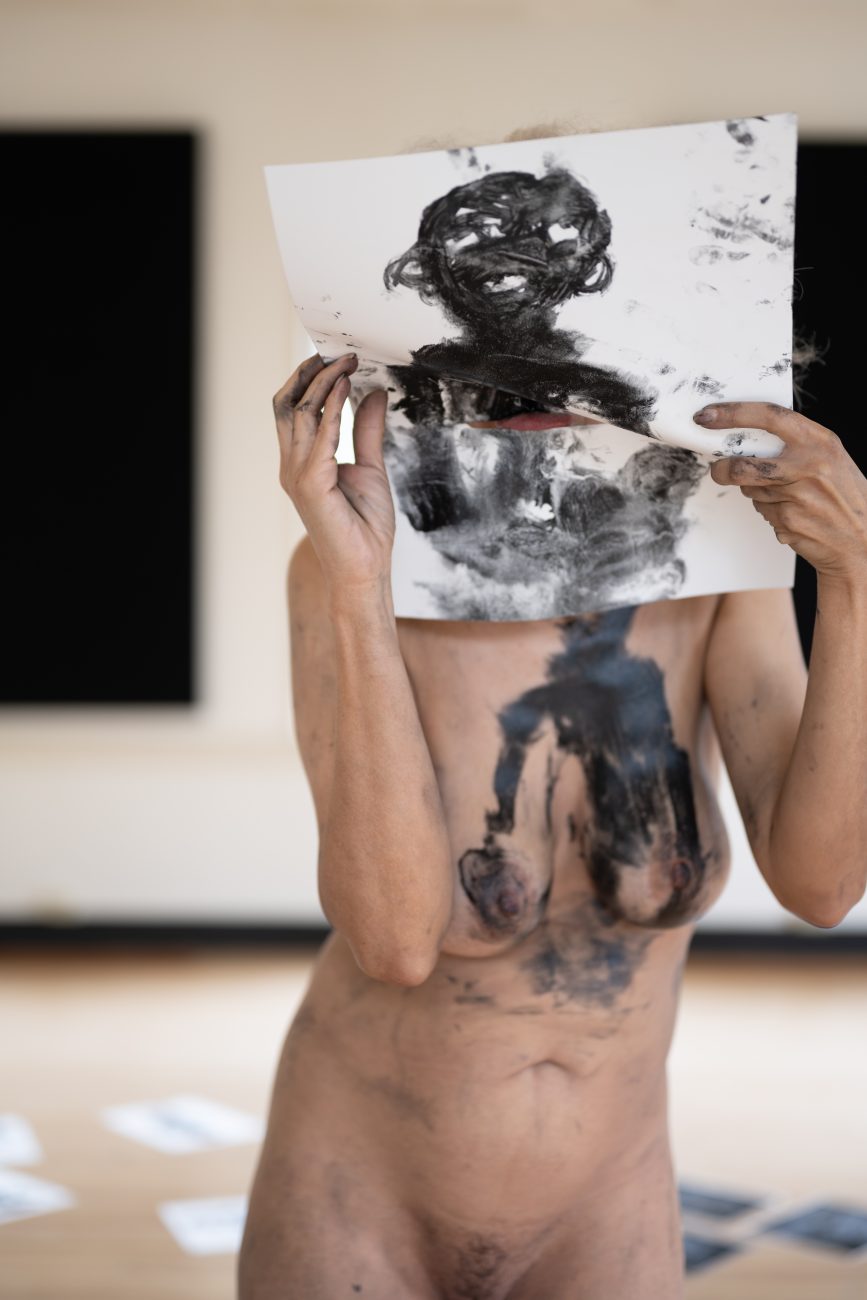
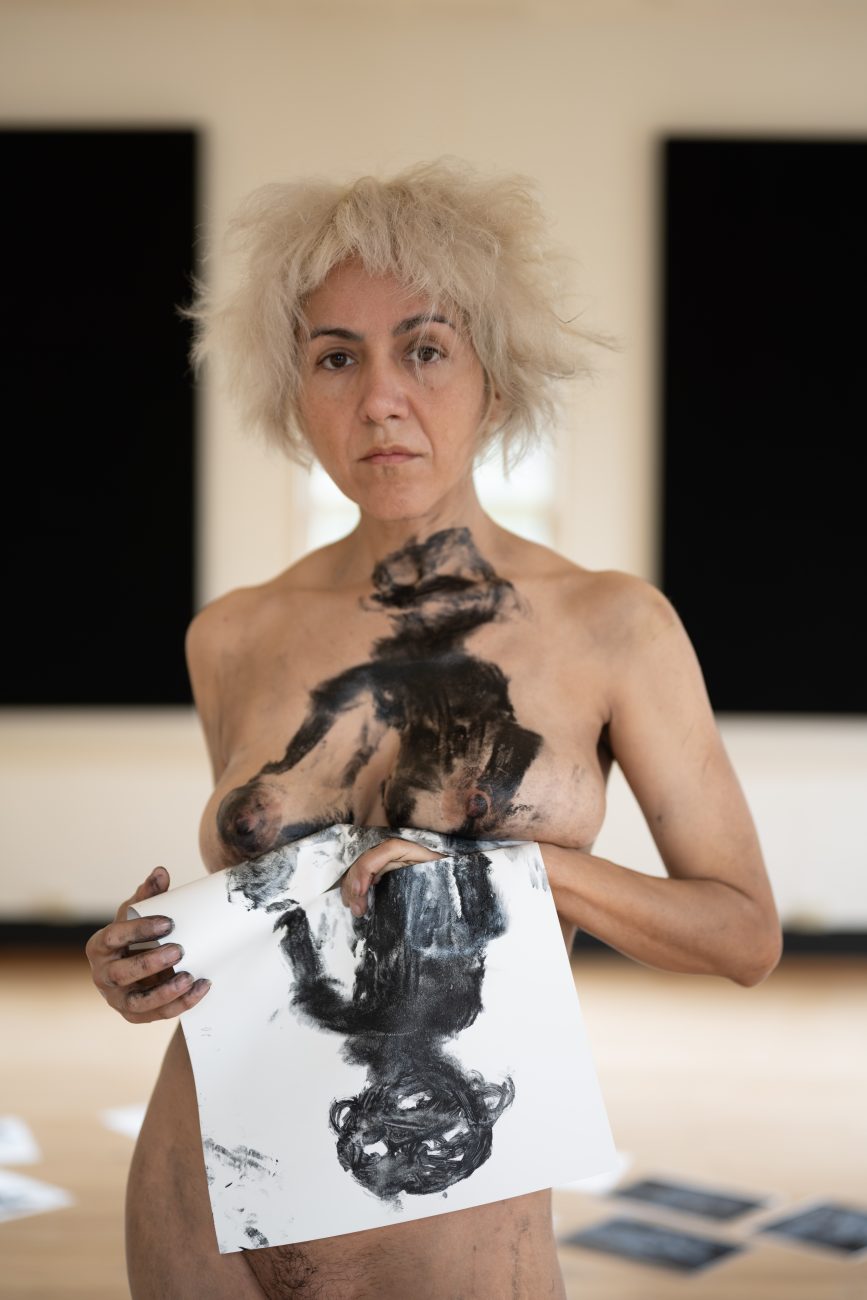
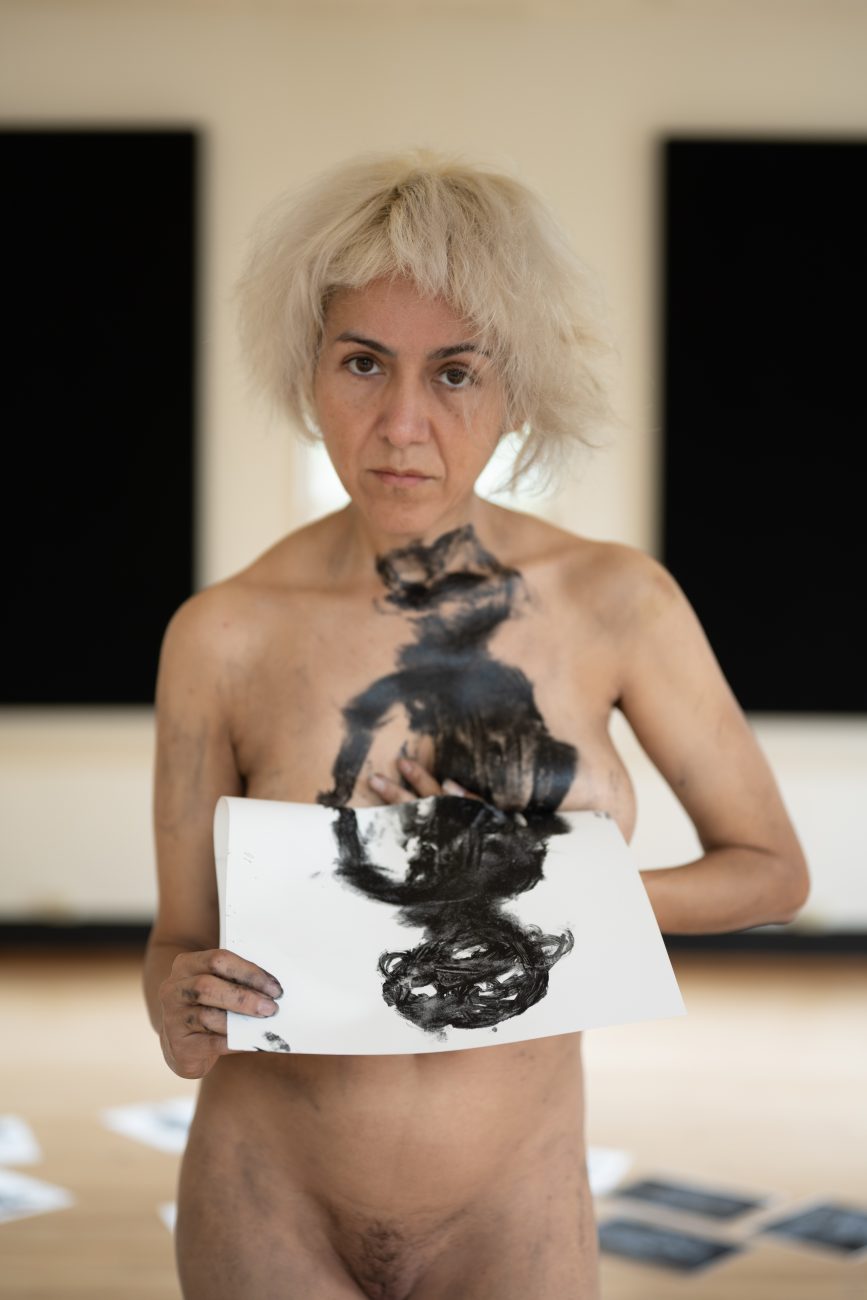
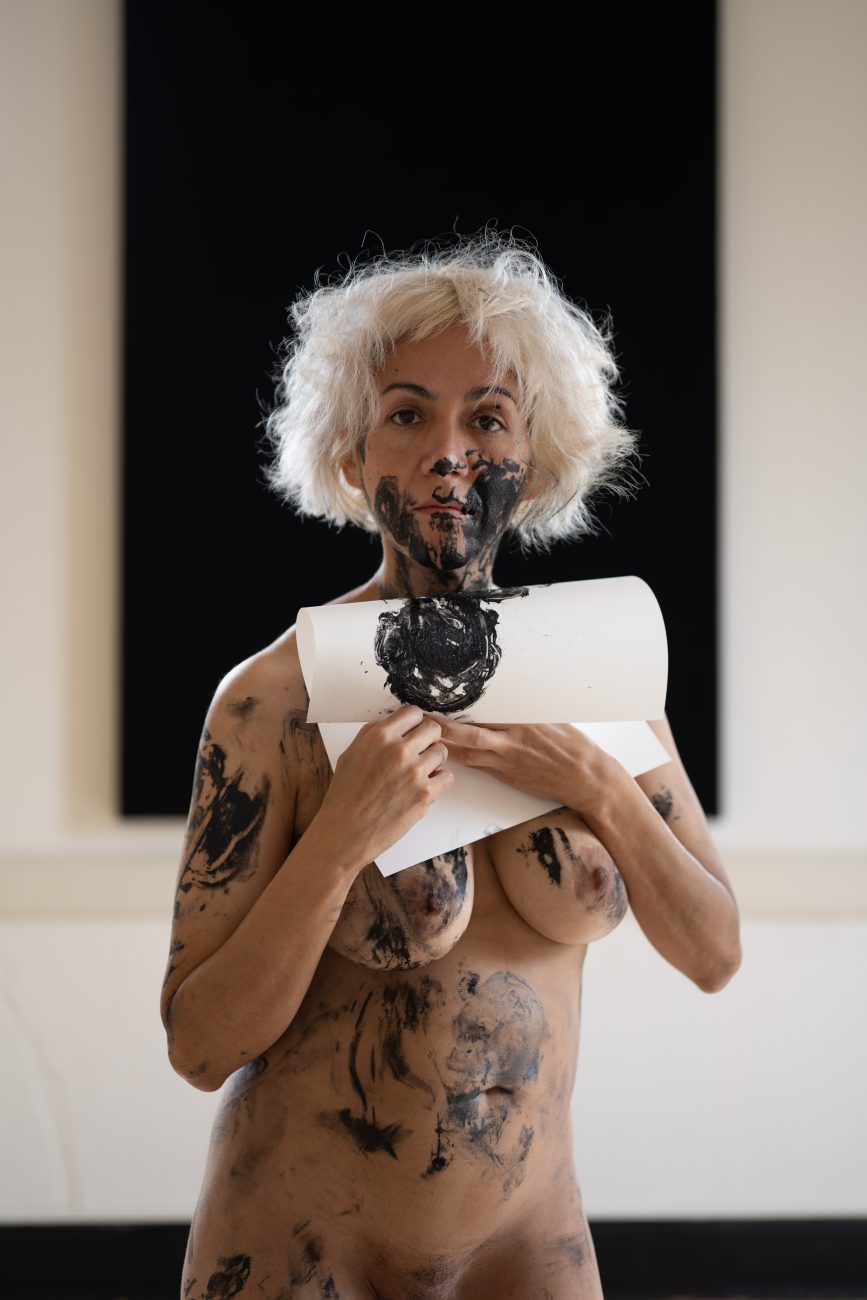
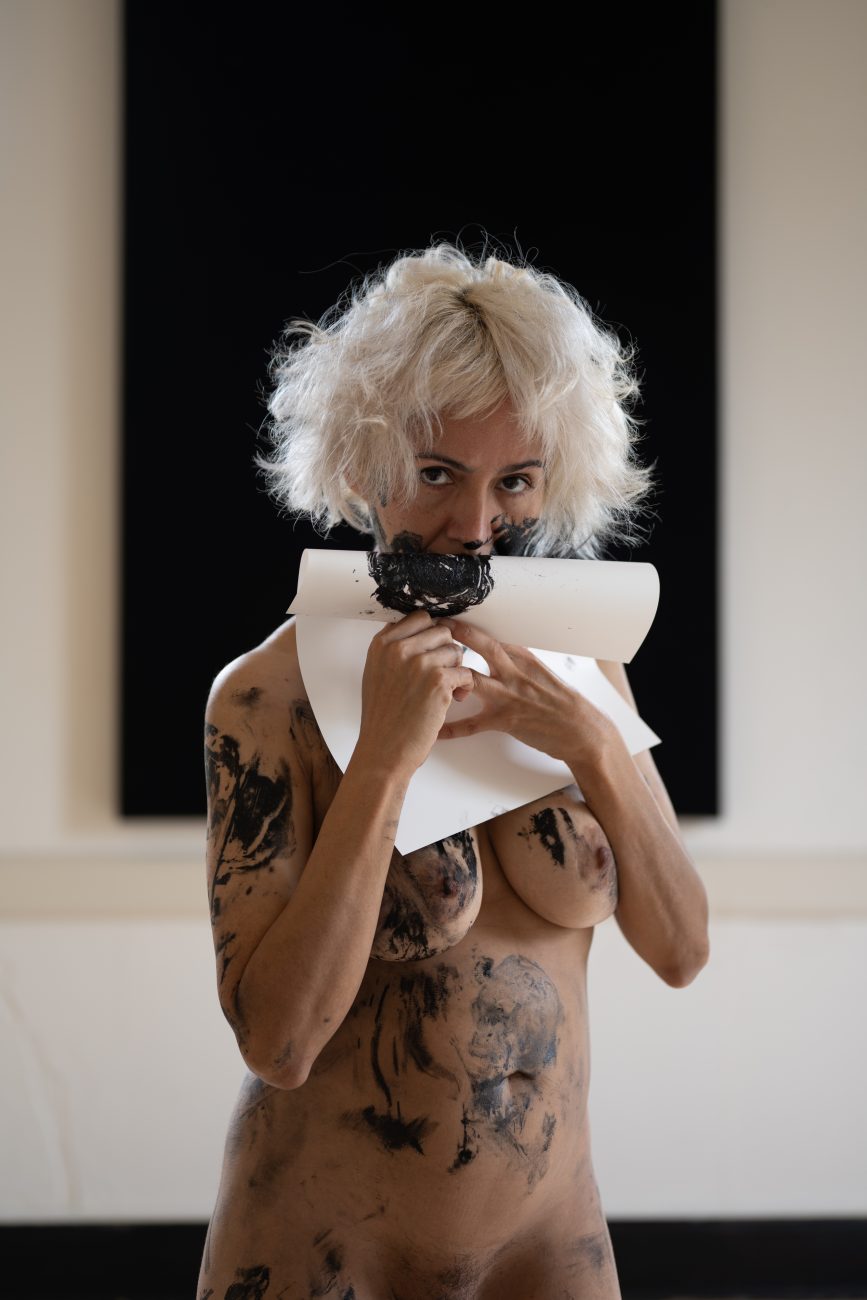
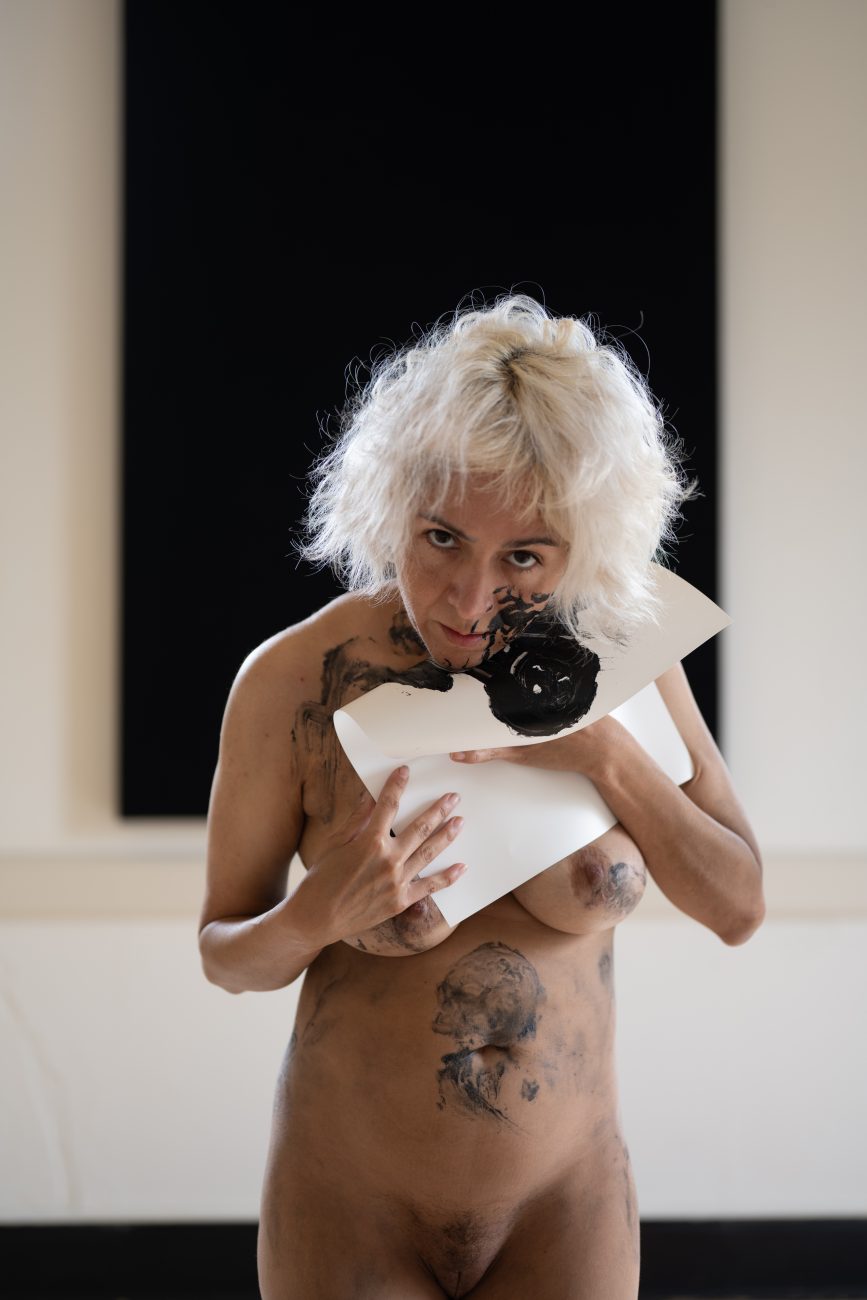
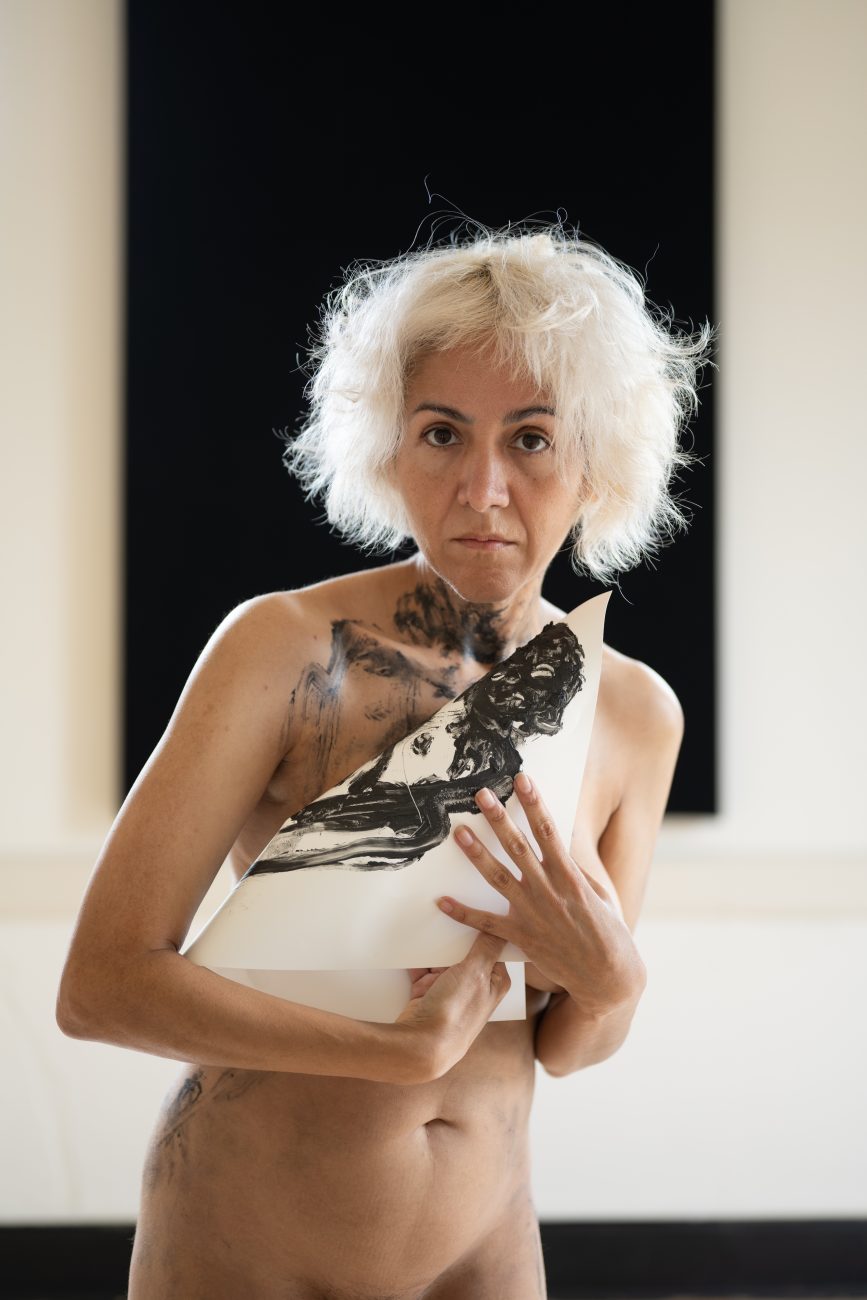
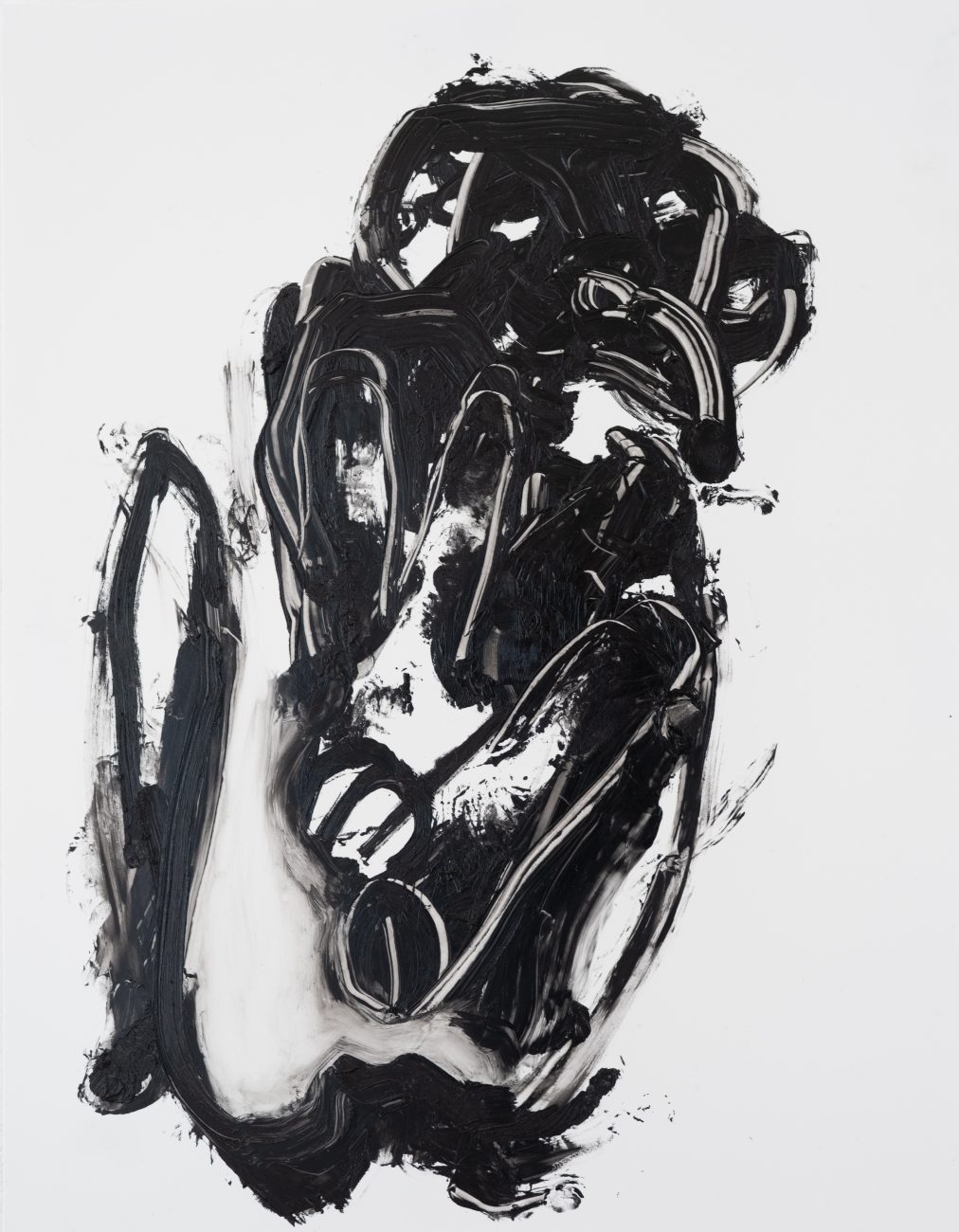
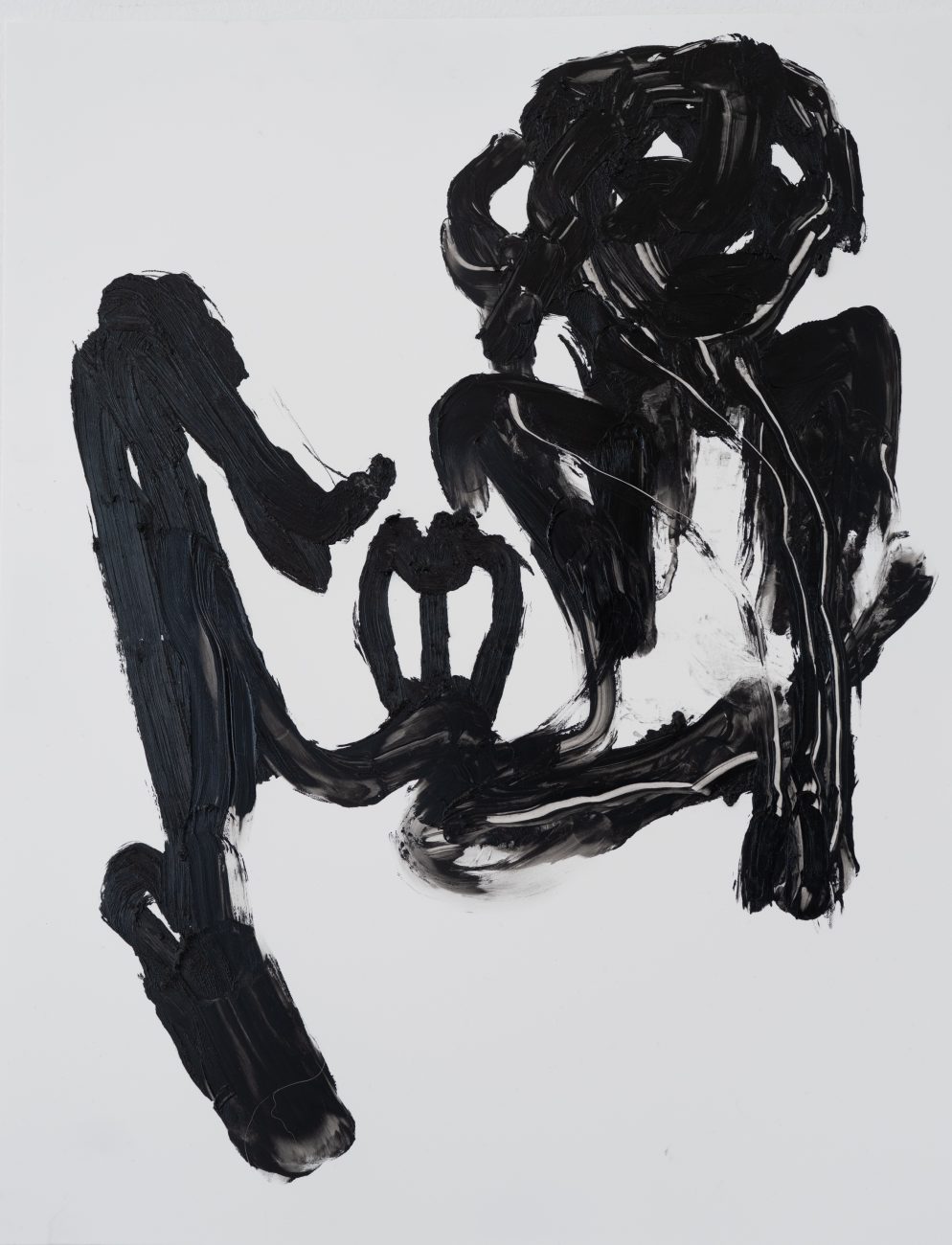
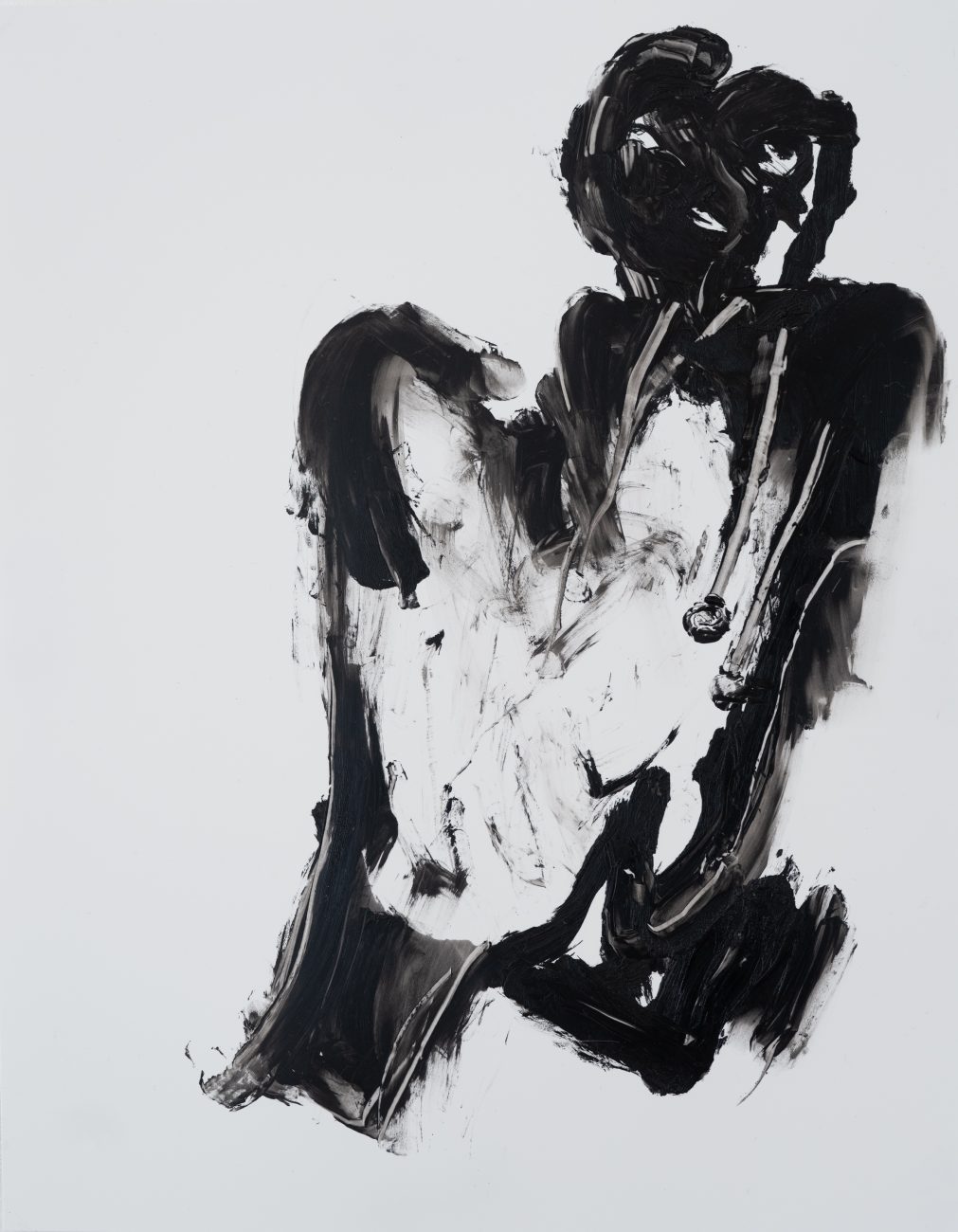
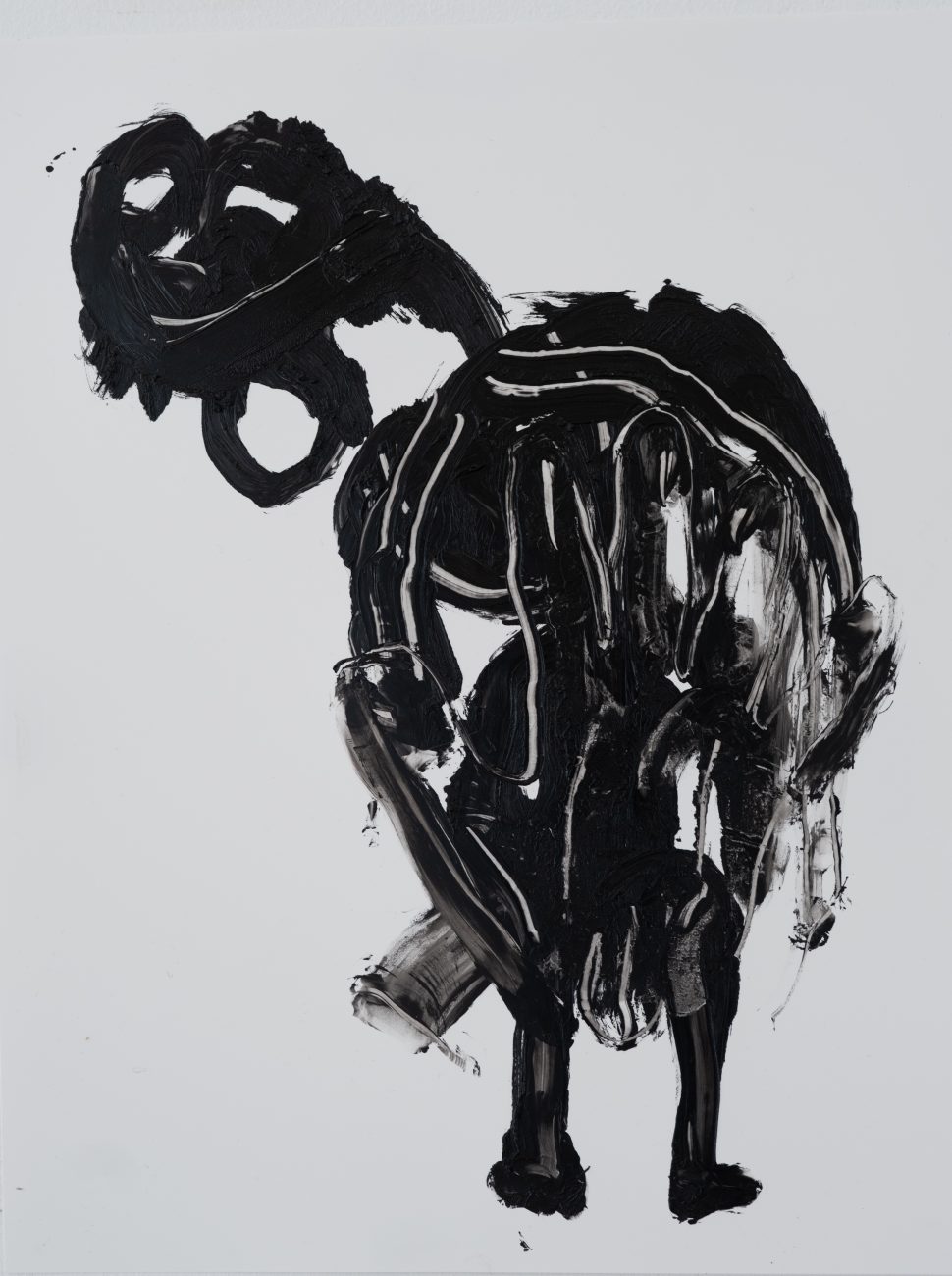
I made a series of photographs, oil drawings, and I printed on my body with oil drawings. The iterative conversations between space and material led me to create and do a performance in which the space was very much an active material. More importantly, I leaned into discomfort, especially towards properly resourcing my work with the support of a cinematographer and sound person to properly gather material from the performance to make a video work.
My time at Headlands really allowed me to be in process through iterations of pushing my edges, both conceptually and materially. It gave me a chance to lean into the unknown and stand inside of it with a sense of confidence which felt nurtured by the people here, the staff, the place, the land.
Within the Project Space, I was able to set my own possibilities for how I wanted to use my time and respond. The new context of the Project Space reminded me of how I respond and interact with architecture as material in my work, and how that in turn visually shapes the work. I’m always making art, but it is not often that I have the gift of allowing myself to trust the process so completely, to attune to the frequencies of a place, and to work from desire and vulnerability all together. This embodied attunement is now a resource I can hold upon my return to Los Angeles.
On residencies:
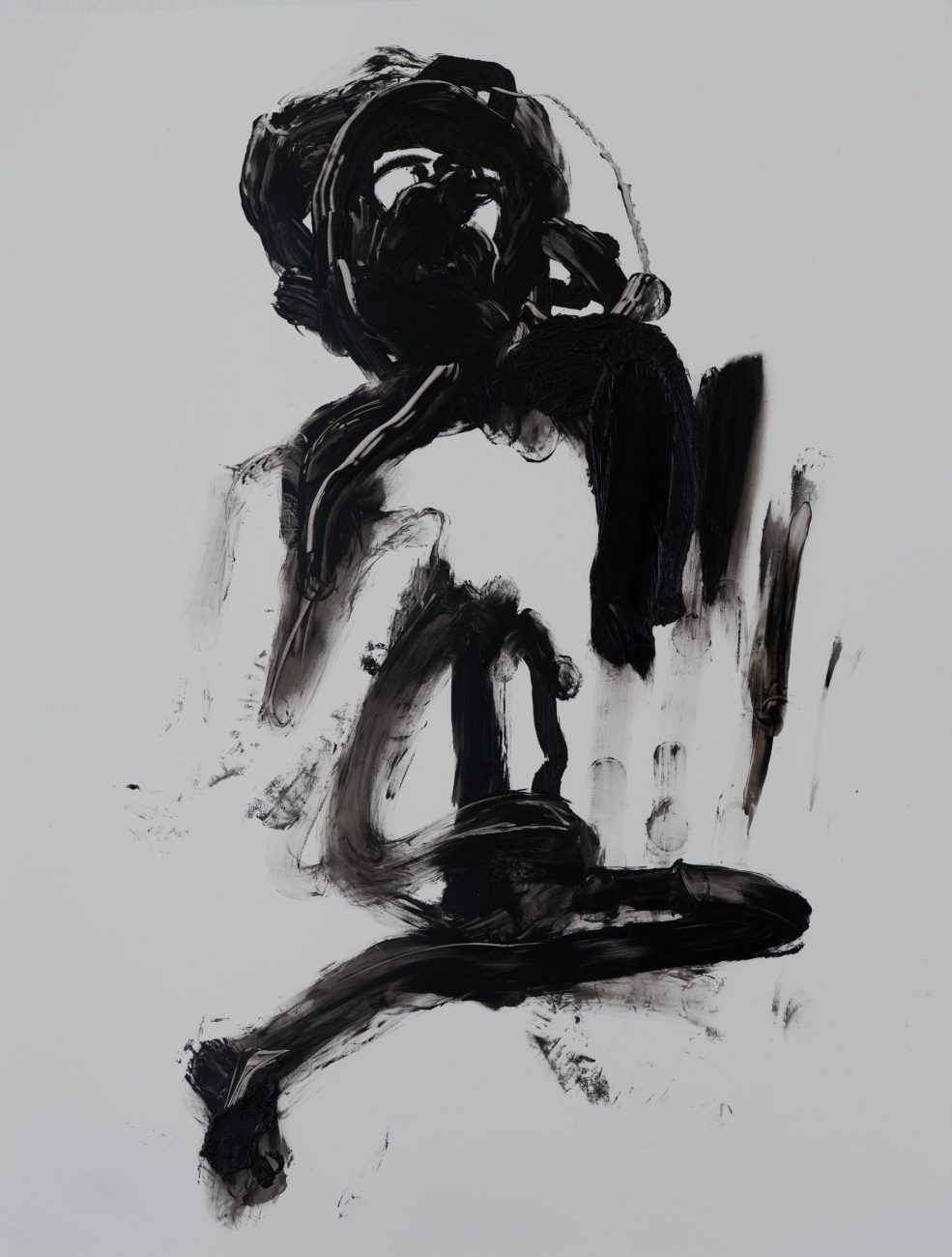
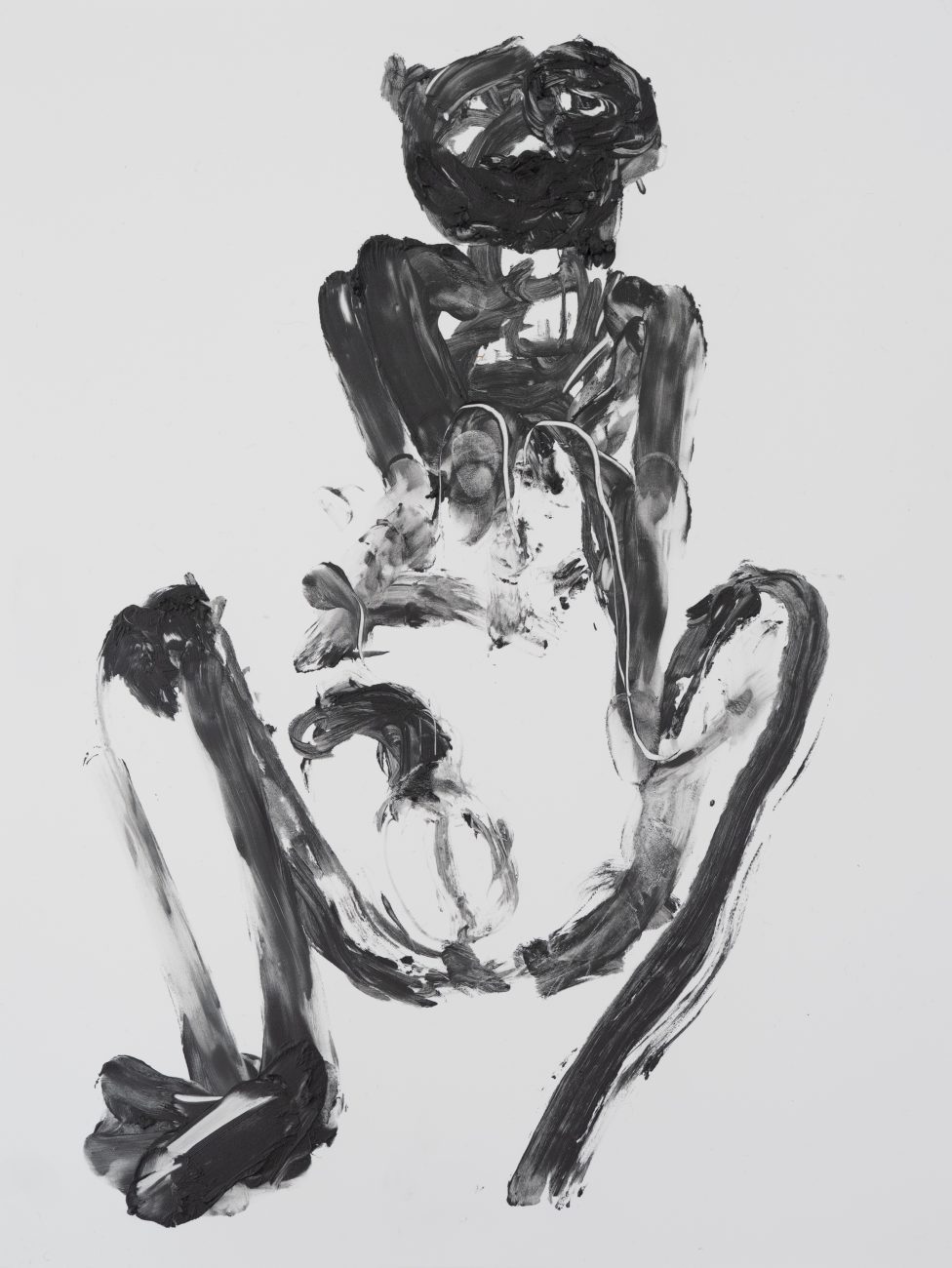
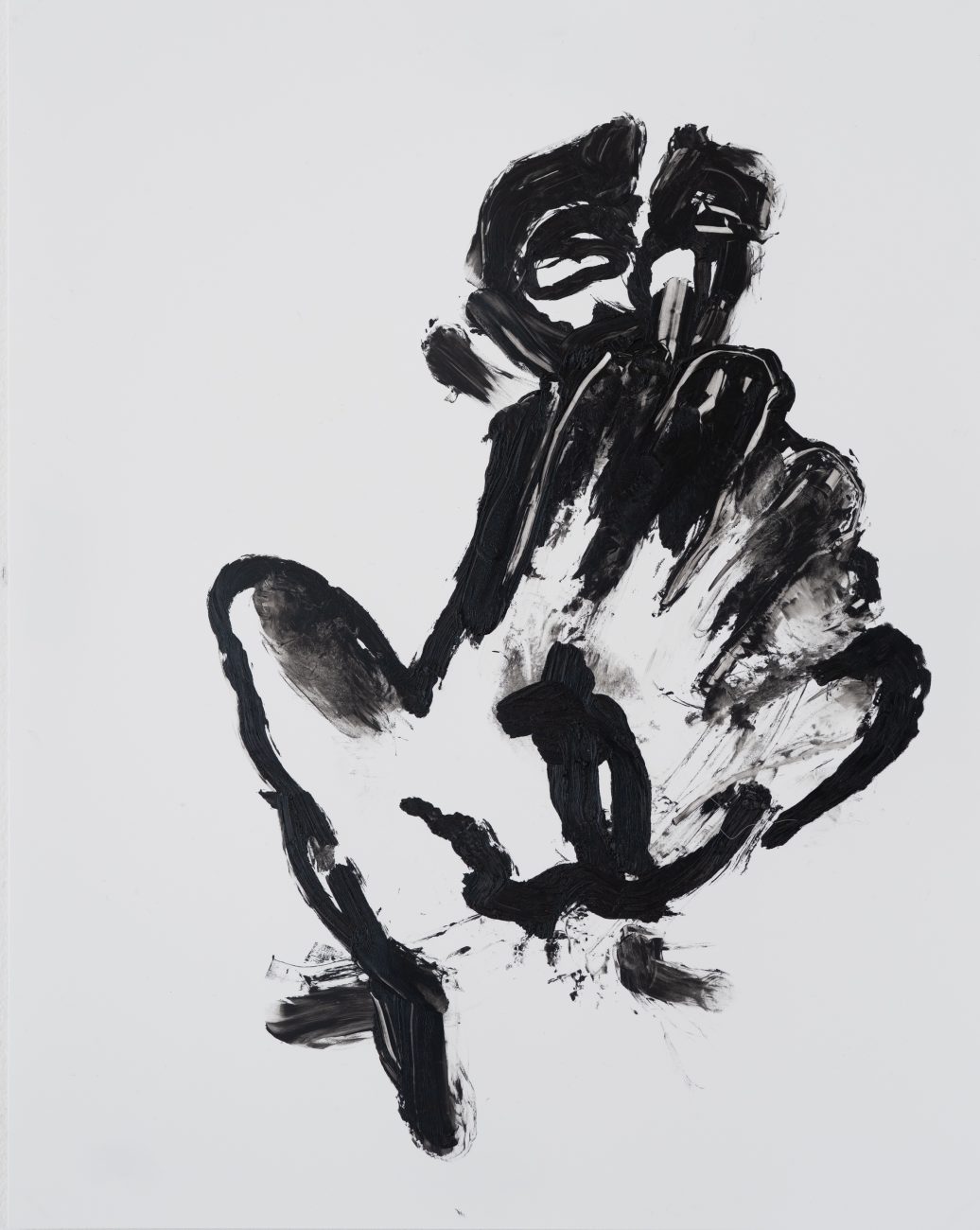
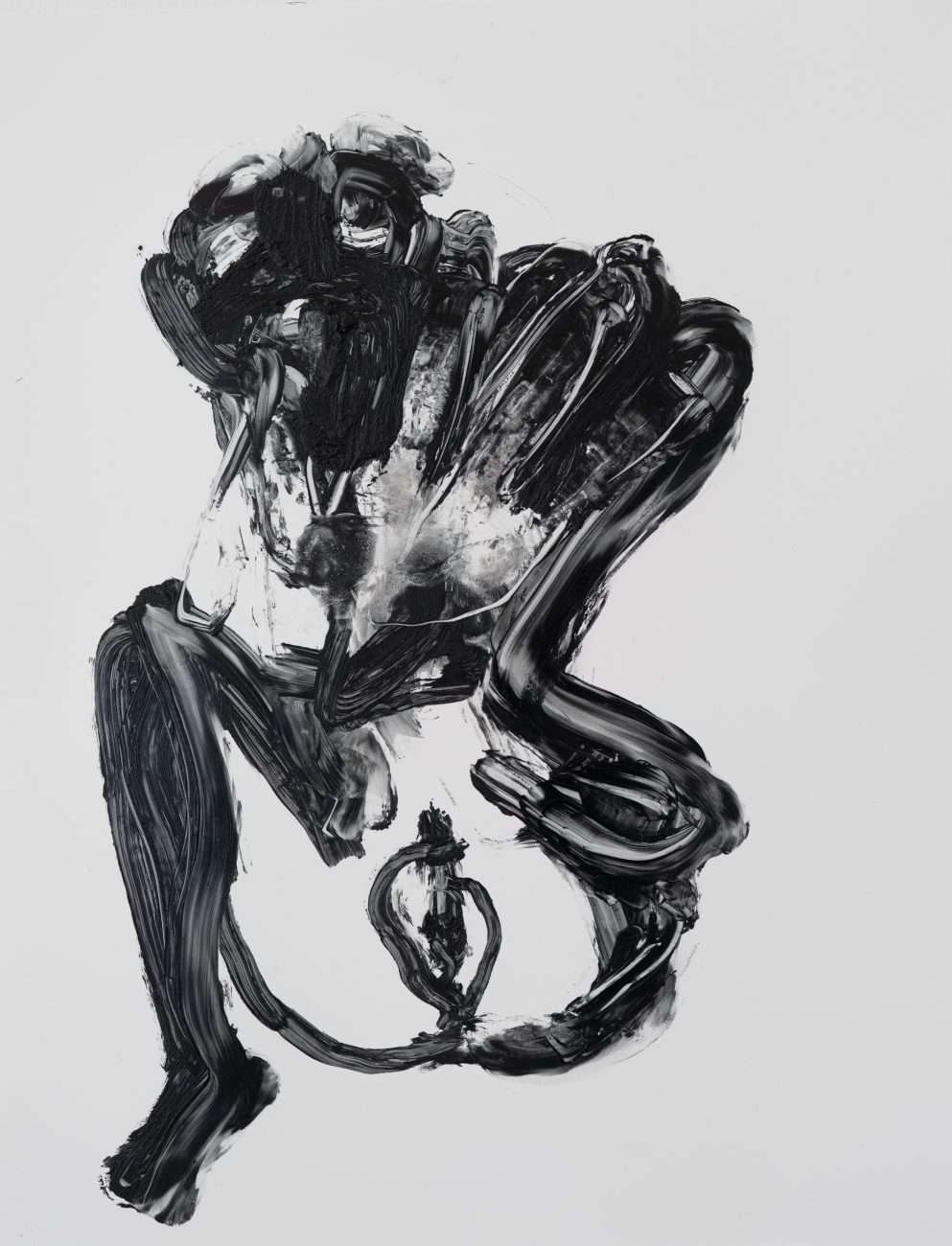
Action At Headlands: The hand is transfer
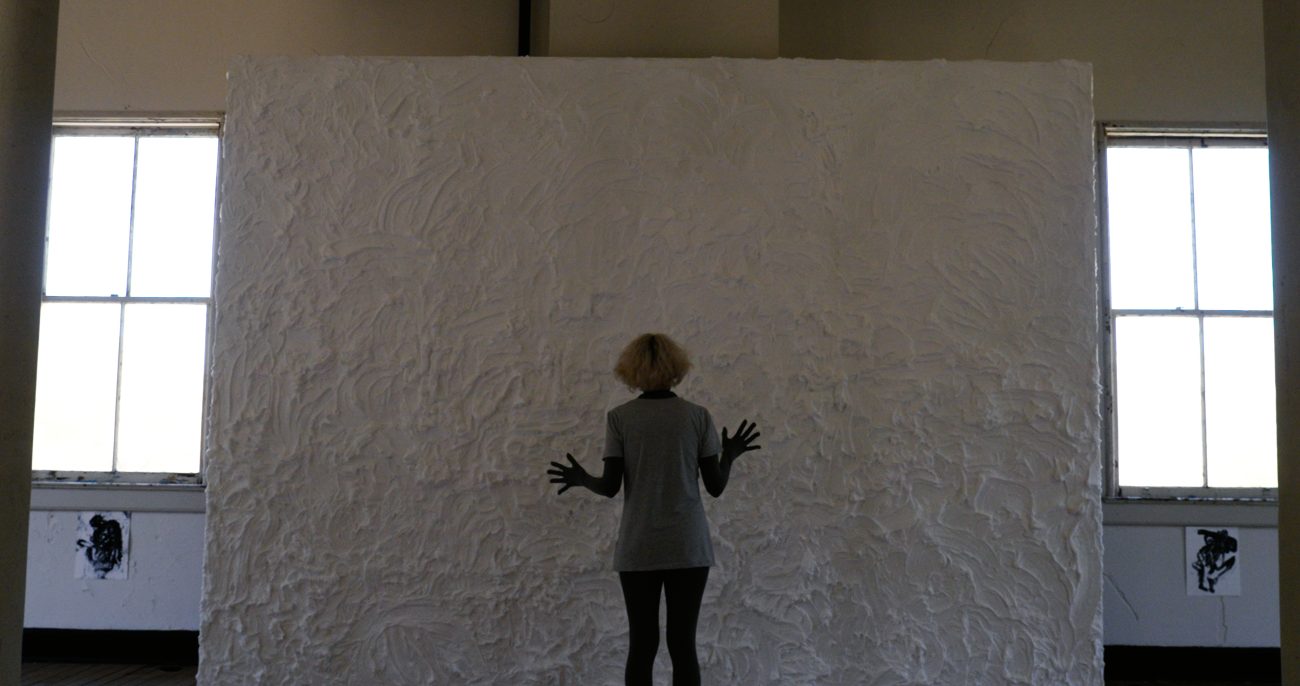
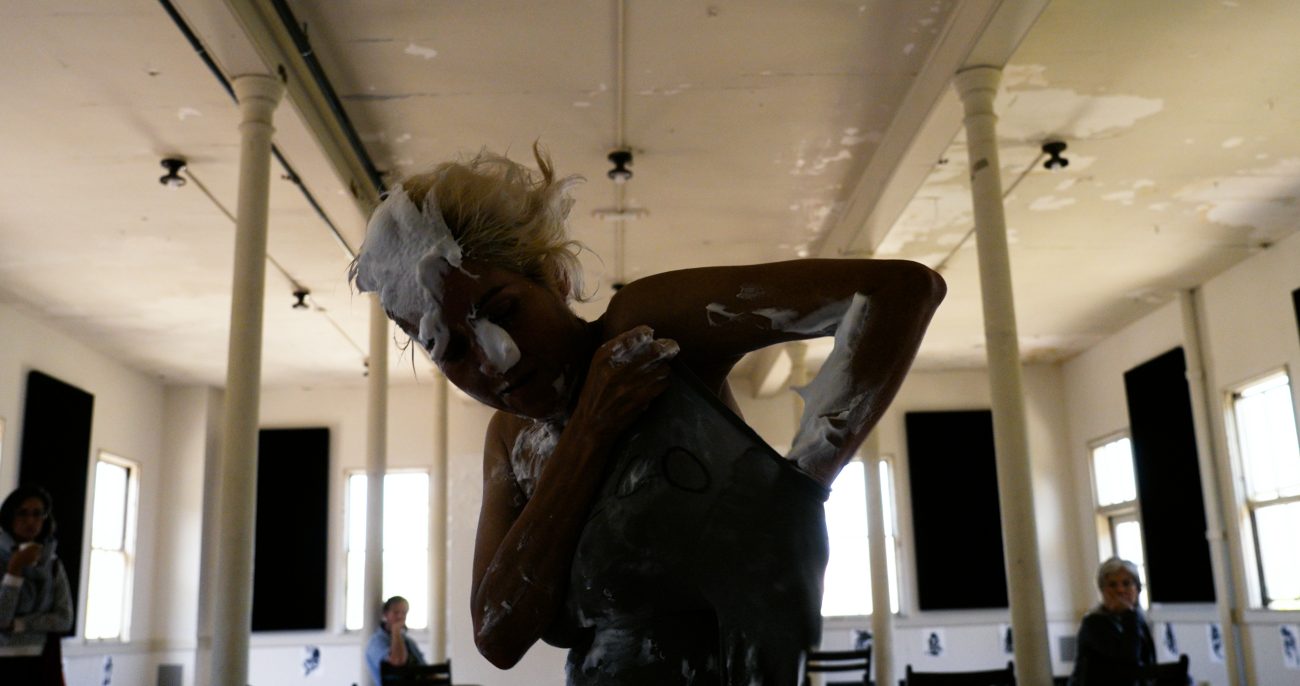
The Action at Headlands started as a conversation with the space. The large empty spacious studio had several rows of central columns, polished wood floors, and a high contrasting black floor moulding delineating the perimeter. The Project Space also came with large windows along three sides, and adjacent to each window, there was a large monolithic-like black sound panel. The play between the windows and the sound panels with the outline of the floor moulding visually created a very high contrast (black and white) set of conditions.
The lighting in the space due to the many windows and the overcast/ fog was very even and motivating for photography. There were no harsh shadows.
The first impression:
Upon entering the Project Studio, the space requested movement. Part of what made this space intimidating was that it was asking for movement. I felt like the room was inviting me to get to know the space, to befriend the space, to engage with the space through my body moving within it— a sort of situating myself to its frequency. I leaned into this, and the first actions were walking in the space. Once I felt like a conversation was initiated, I began to push against the edges of the space by walking horizontally along the perimeter moulding, pushing the edges and using this movement as an embodied way to push along my own perimeters, my own internal psychological edges. I began to understand the studio as a visual representation of my psyche. Once this idea took root in my body, I understood the space as a place to be in the gray of my discomfort; the space became more insular, and a process of interior foraging began. I could focus on the expression of relationship dynamics, trying to inhabit more of the gray within such a black-and-white framework. The process of pushing against my edges began to suggest pushing against established belief systems and behavioral patterning through my actions.
The Sound Panels:
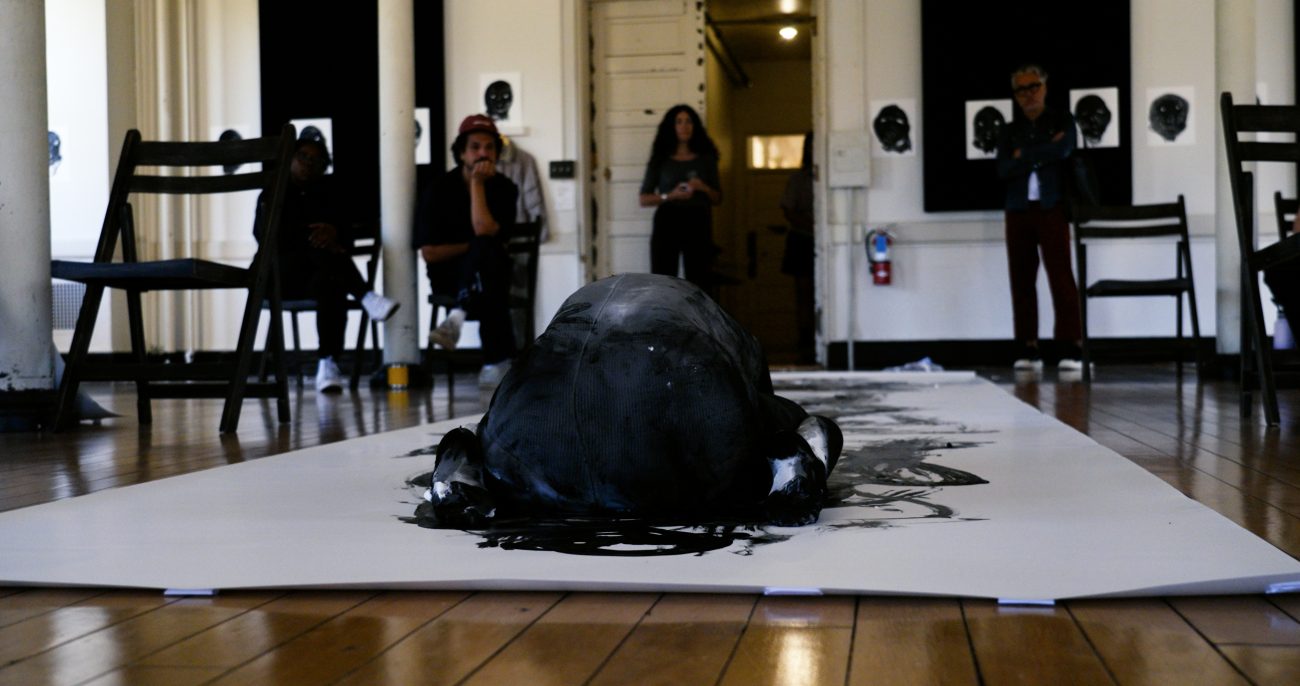
Upon entering the space, I was visually struck by the repeated black monolithic-like and minimal appearance of sound-absorbing panels. I chose to keep them in place because I dislike how they lessened the reverberation, but more so because they looked like large black stretched paintings hung within the studio. Their strong presence was an element that I recognized as altering my perception of the space. I chose to engage with these elements conceptually in my process. The sound panels became a character to converse with, and show up predominantly in my photographs and in the performance. The sound panels absorb sound, creating a sense of isolation from the exterior. This was interesting because it made me feel the space as an extension of my own interior psyche. Both visually and auditory, the panels created a separation between myself and the other, and I understood this to be a representation of my sense of self, the ego, my interior psychological studio.
*The idea of making large black panels or having paper painted with black ink and configured in a similar way came to mind for a future iteration of the work, or for a possible showing of the photographs.
Leaning into the gray:
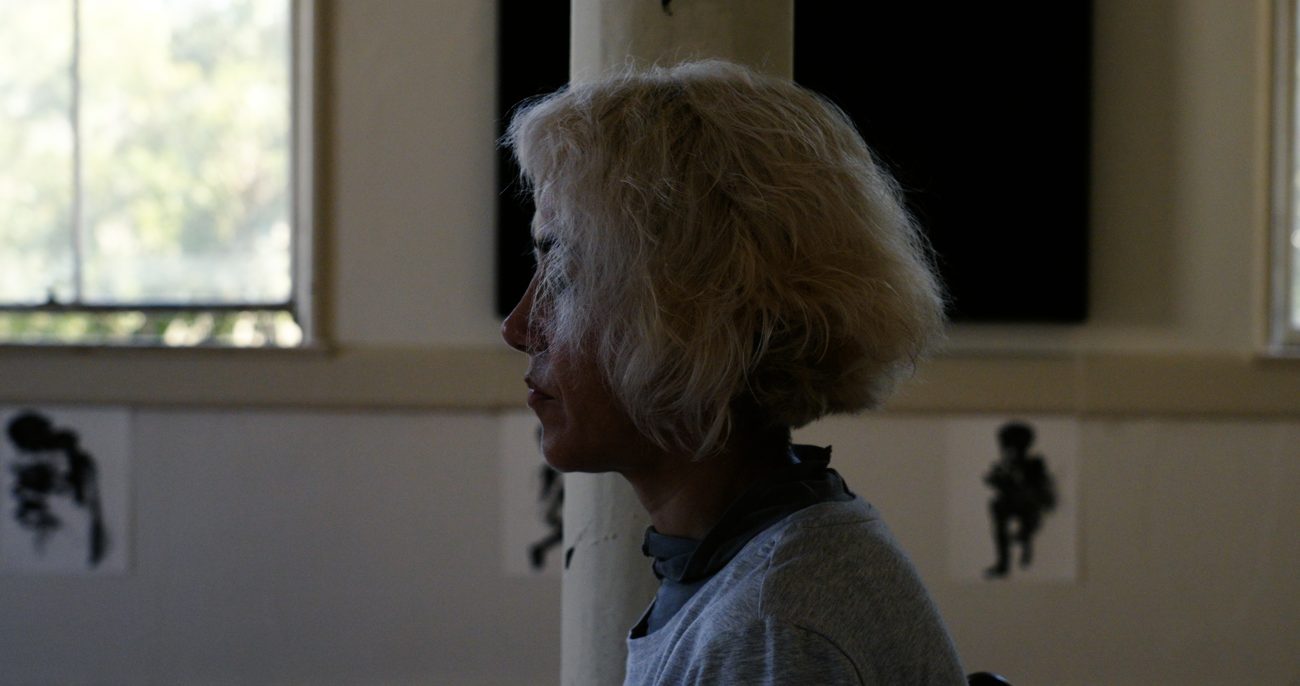
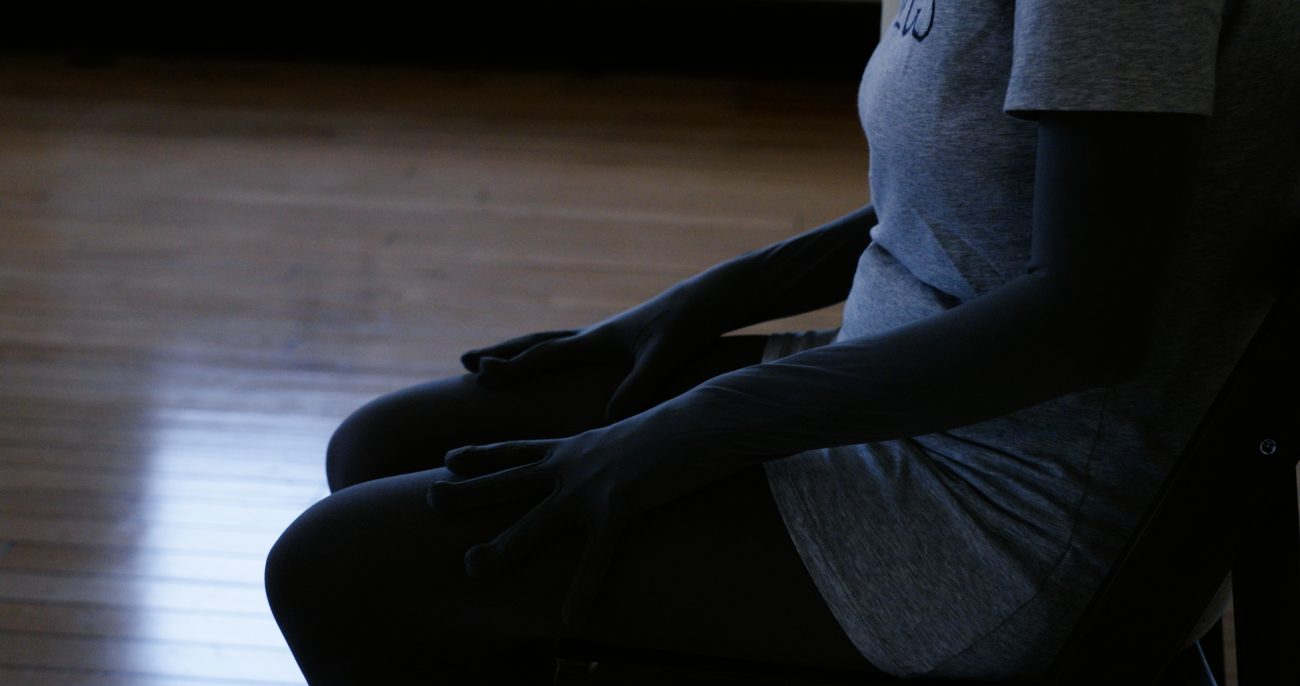
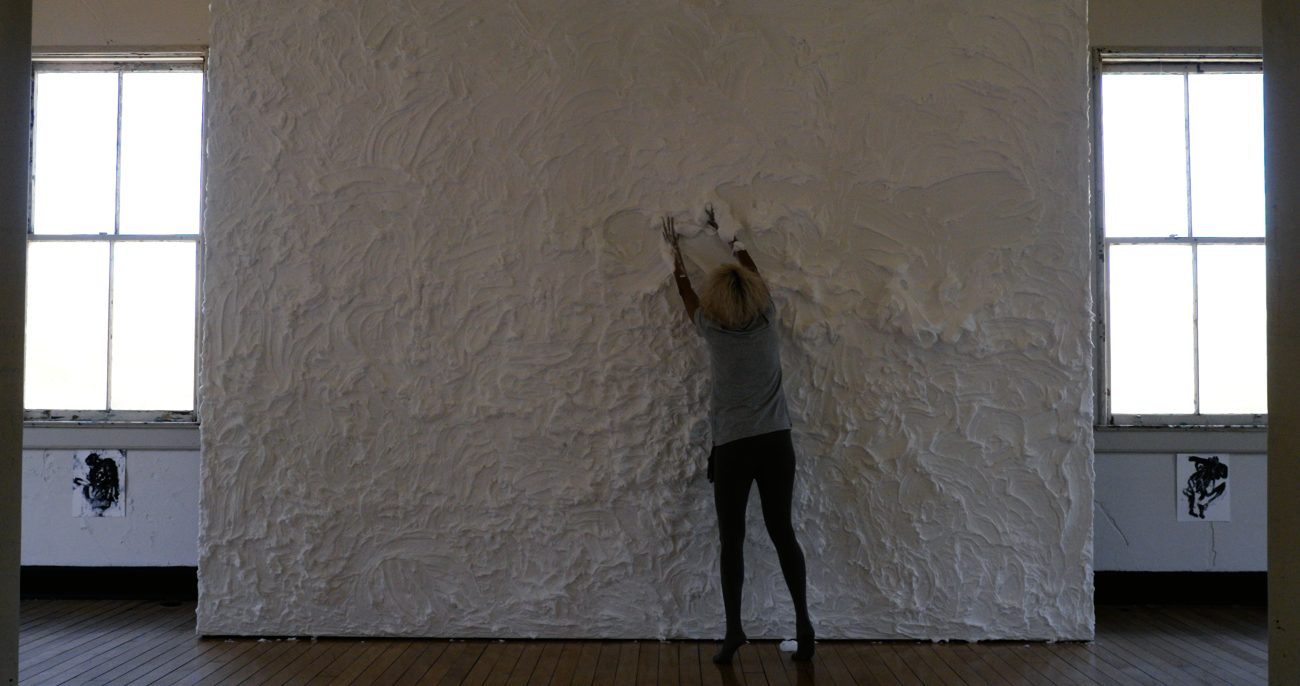
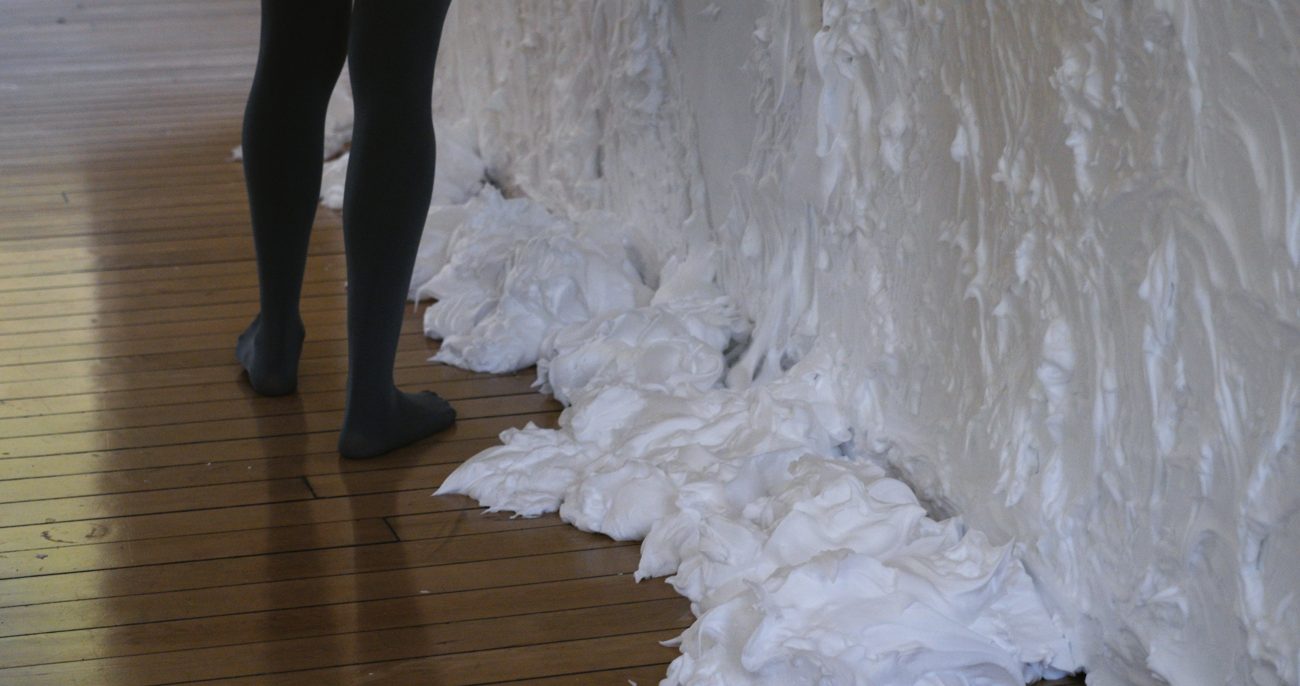
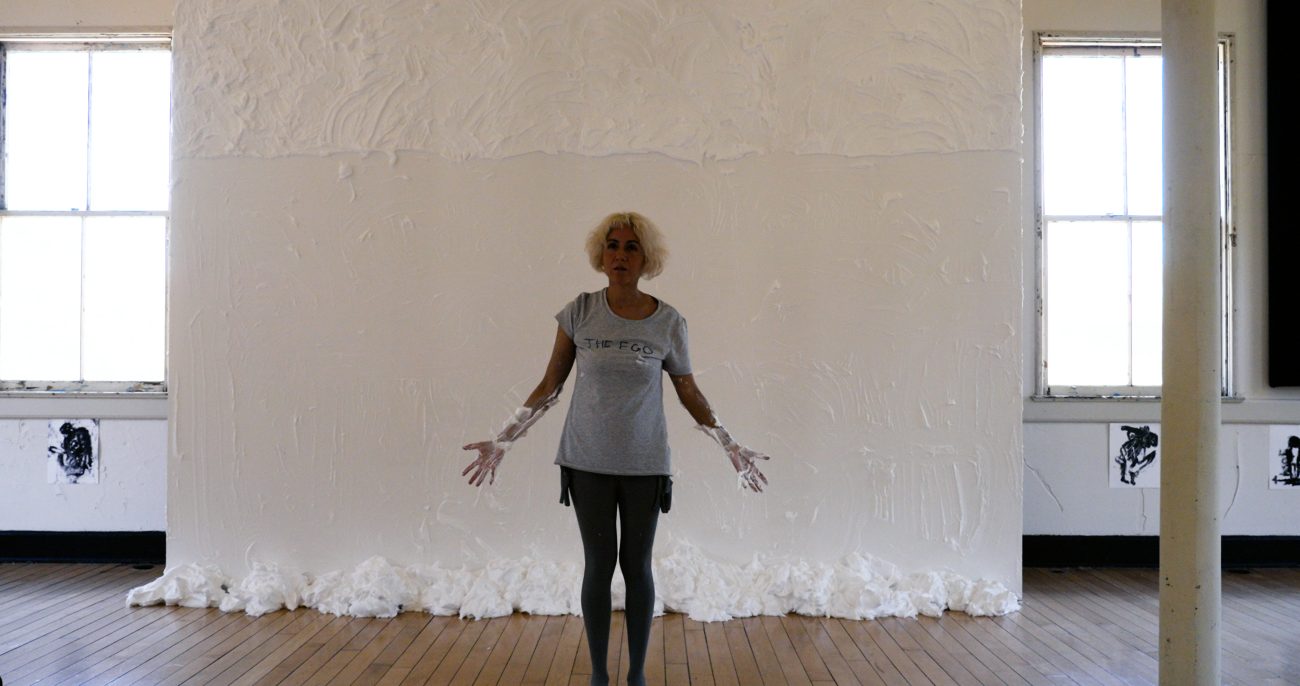
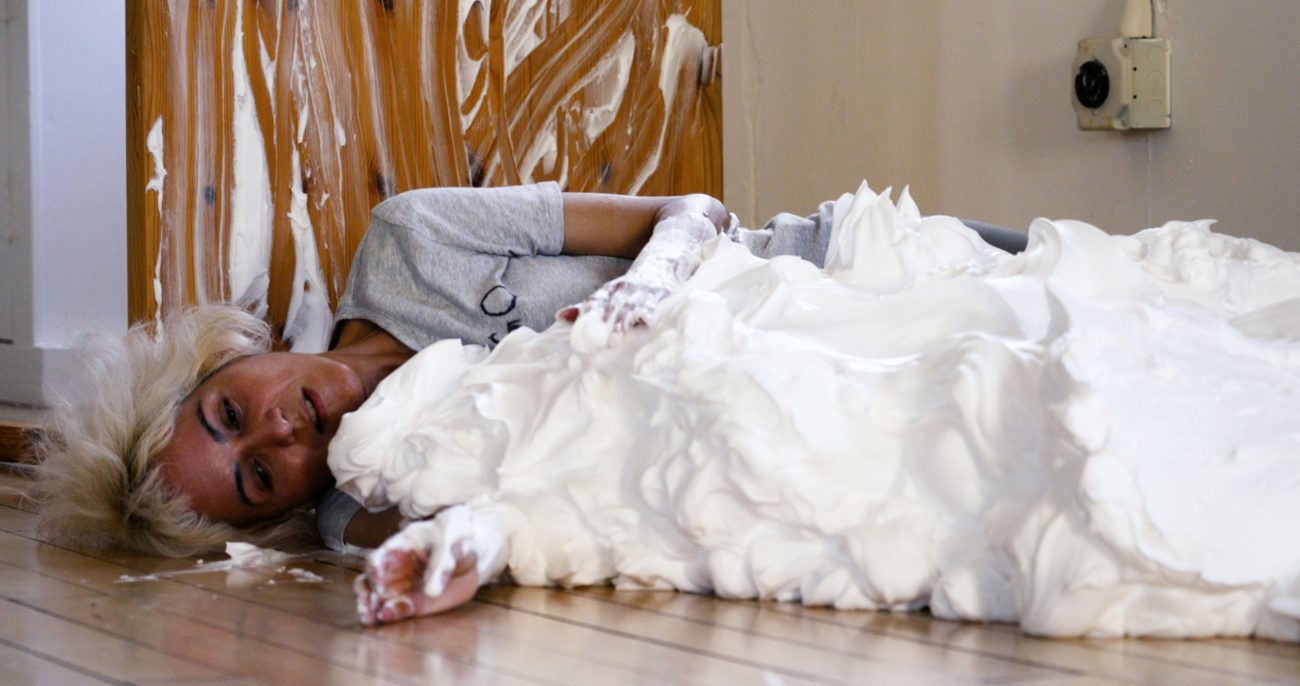
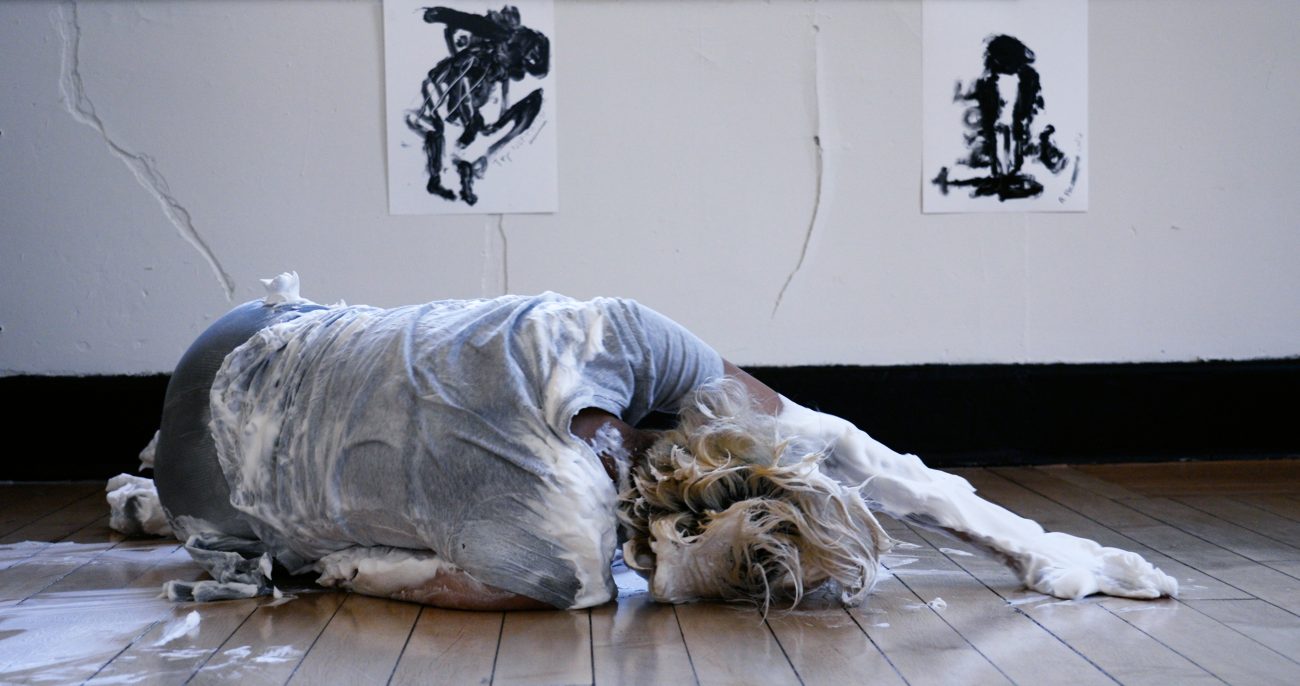
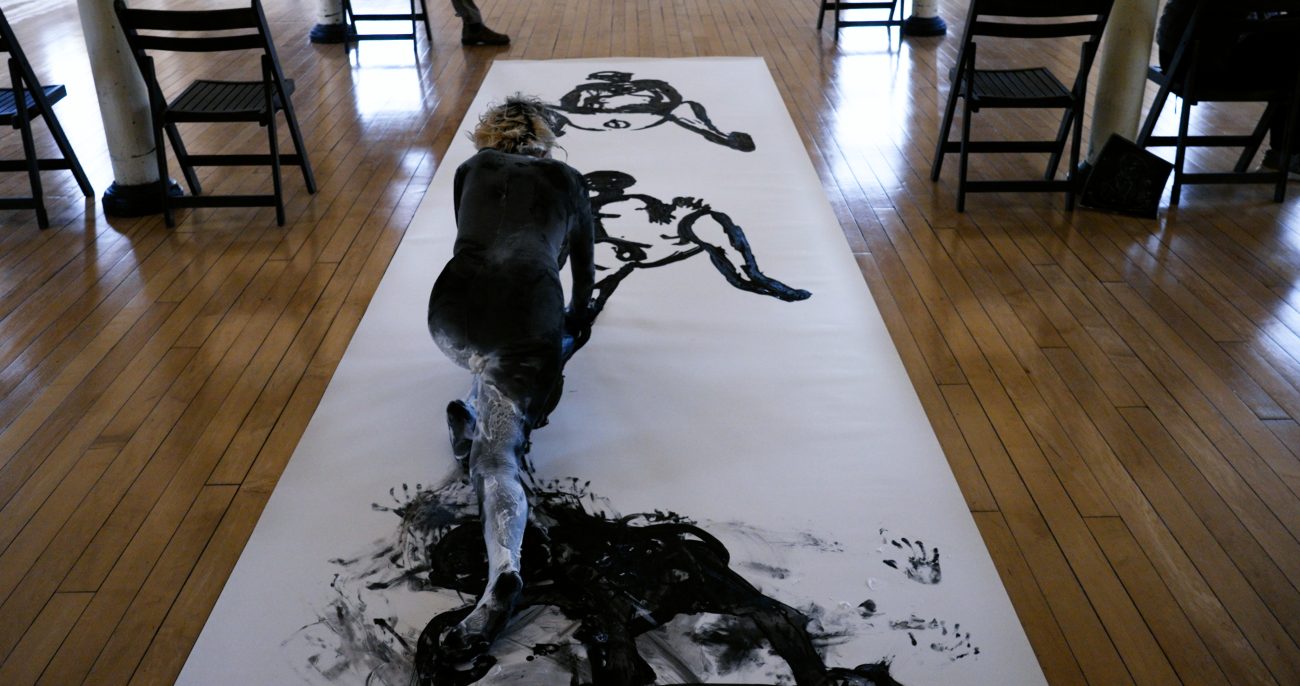
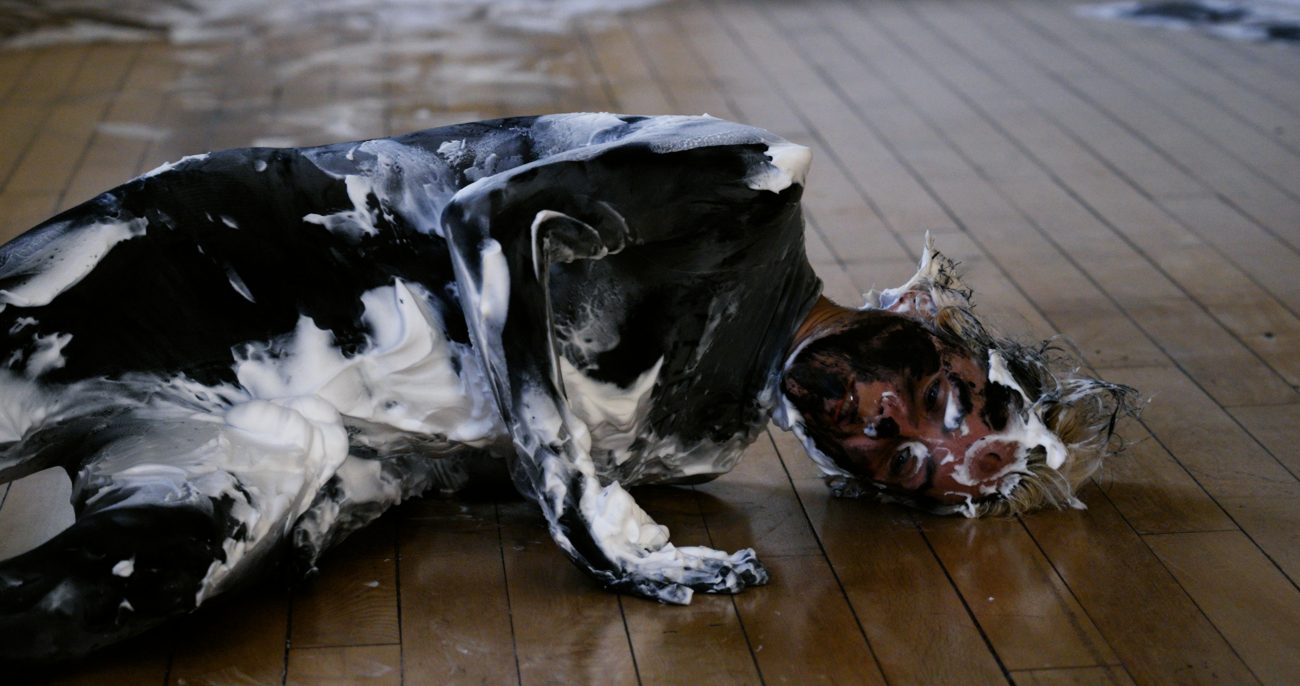
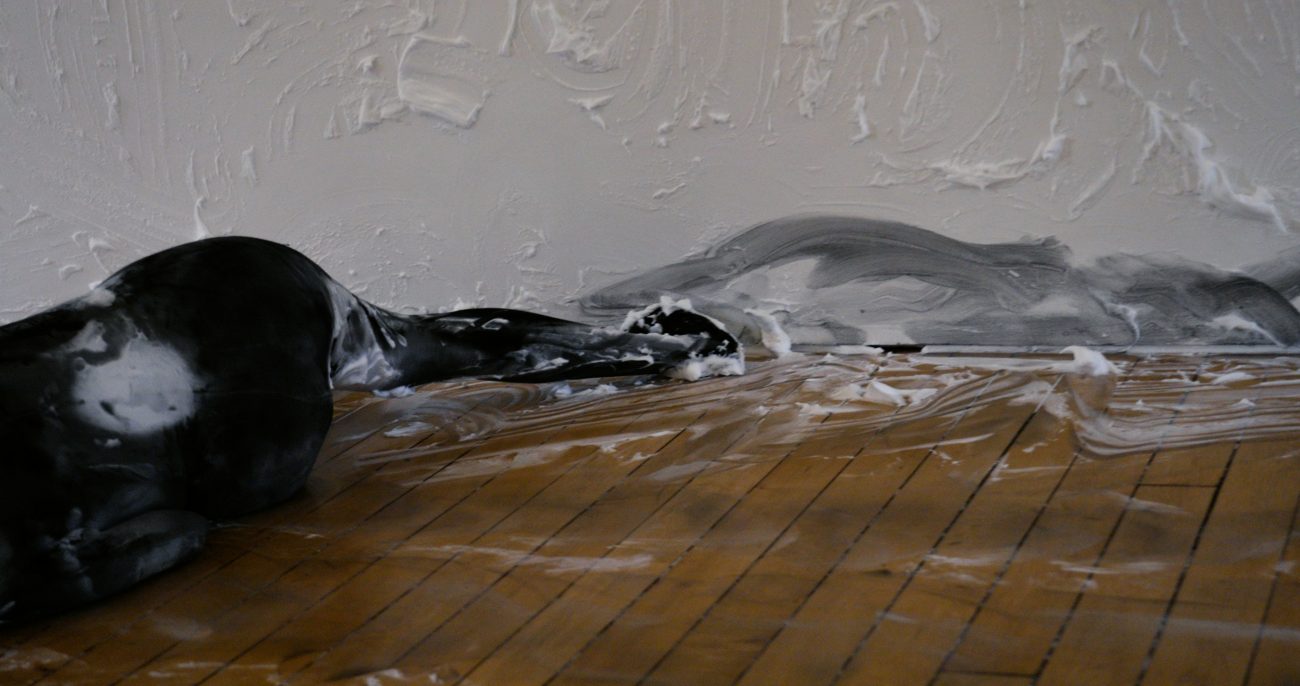
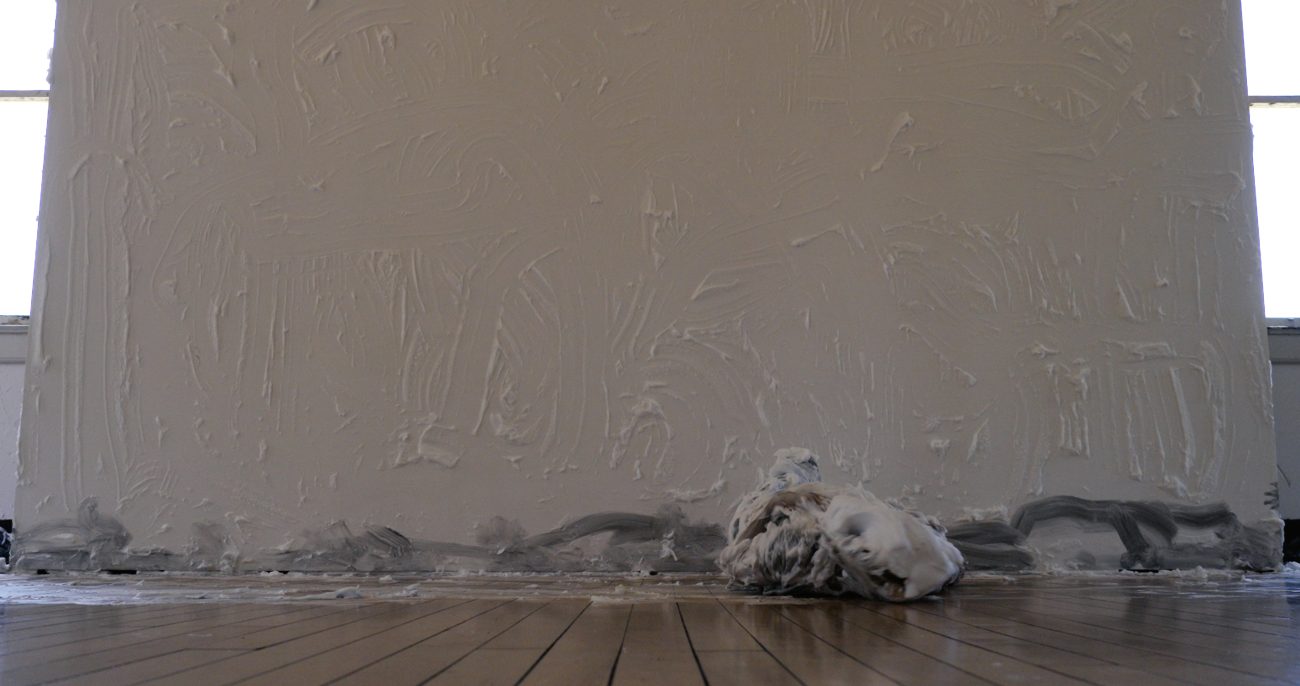
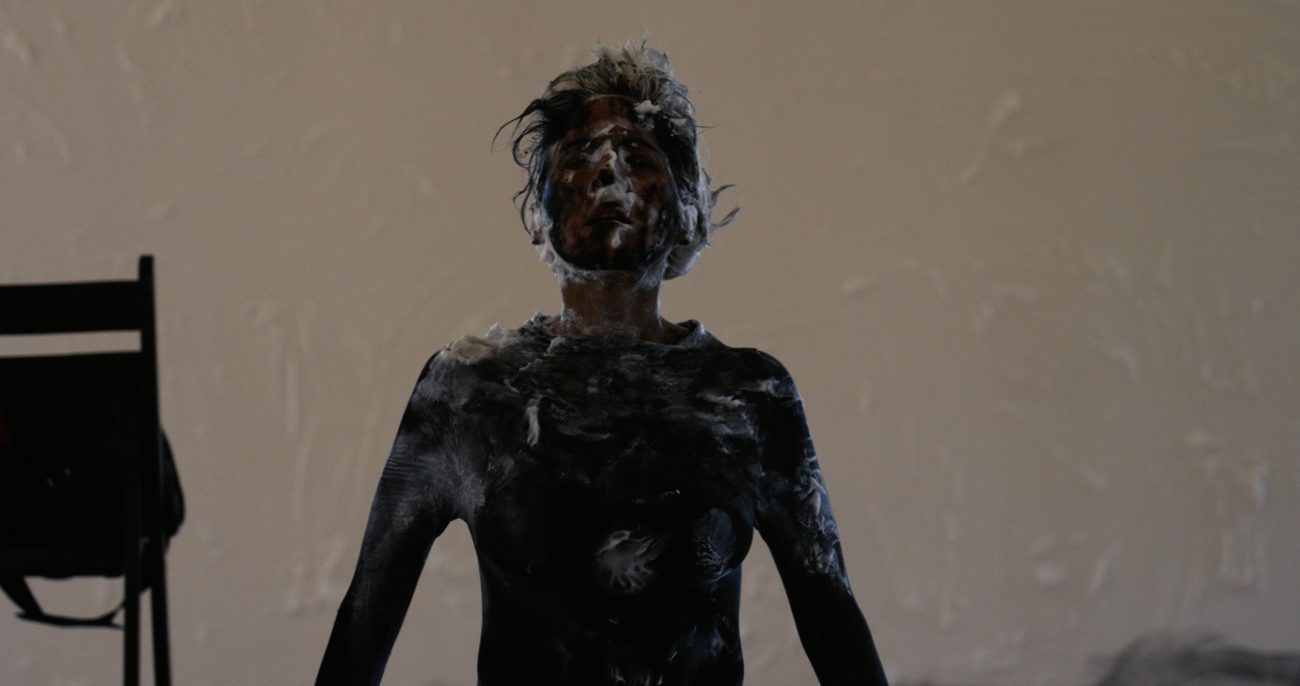
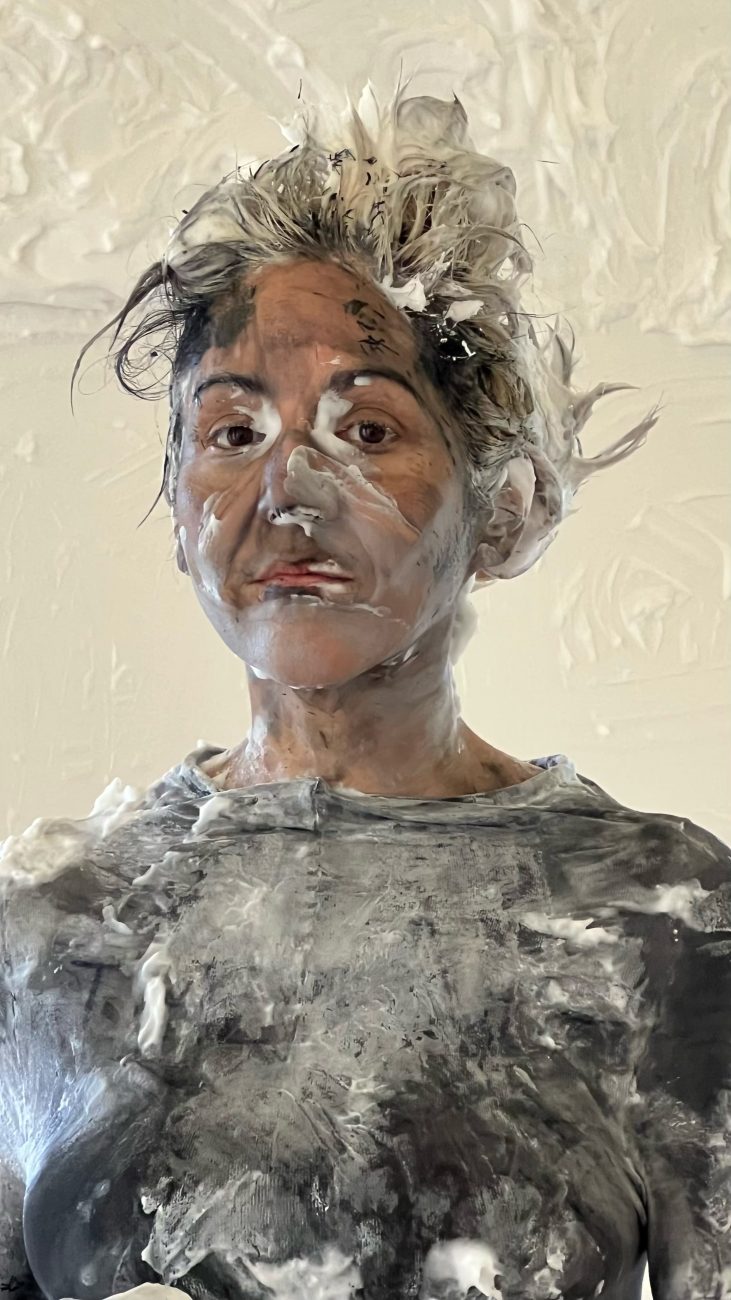
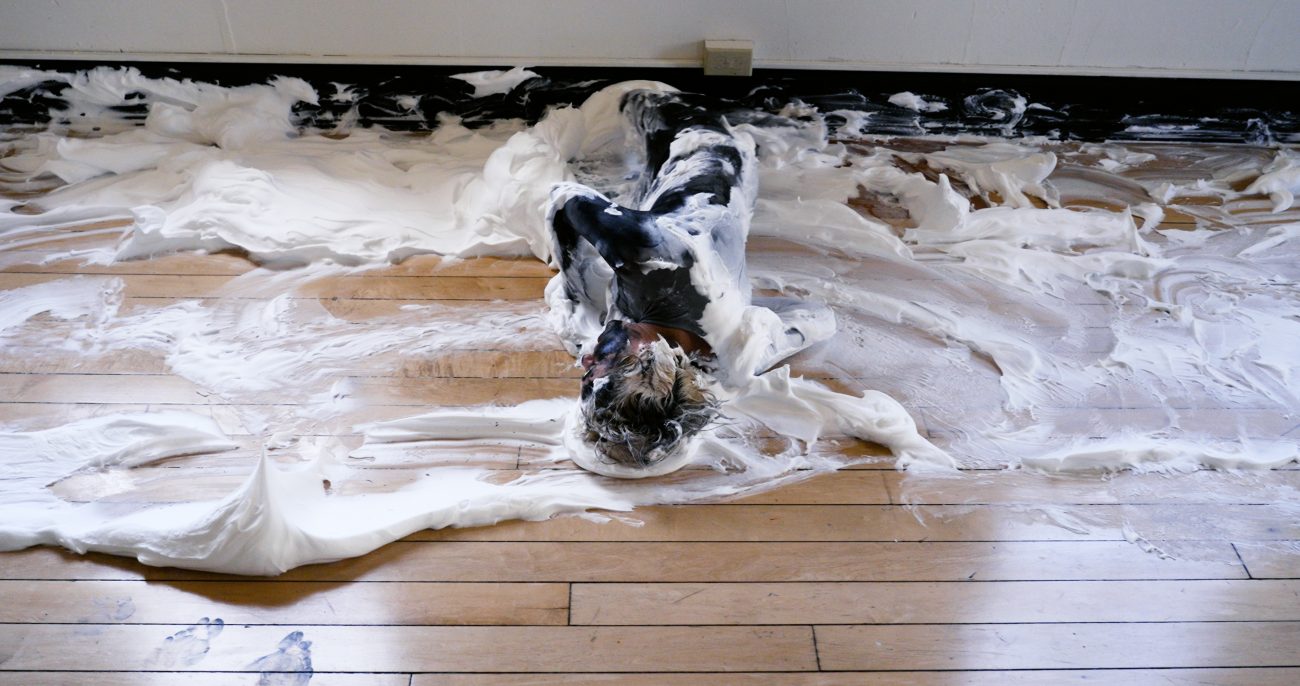
Binary thinking/ black and white thinking is inherent to us as humans. Often exiled from our own self-perception, binary thinking is always a conversation, and if we have skills to notice, we may be able to shift into the gray. The gray is most of reality, and it is also true that what is felt does not represent what actually is happening in a truly objective way. The performance and actions held within my photos are my attempt to spend more time in the gray, and to have a conversation between the space that contains me both internally and externally to gray up my binary ways of thinking. This is what I call pushing my edges. I, choosing my materials, considered various ways of representing the gray. On my heather gray T-shirt, I wrote “THE EGO” in Sharpie. Under the T-shirt, I wore a gray bodysuit complete with fingers made out of matte hosiery fabric. The mixing of the whiteness of the shaving cream and the blackness of the oil stick drawing mixed to create a gray trail that followed the movement of my body as it left a trail as a result of my body, horizontally walking along the edge of the space.
Transference:
To transfer information from one surface to another has been a point of interest in my work within the concept of printmaking. In the transference, a transmutation can happen in which the transferred mark is both from the source yet different. It is in a way a continuation of that first mark in a different way.
This concept reminds me of the relationship between mother and child, or of generational patterns of trauma, or other somatically held patterns that are passed down through reproduction or close familial interactions.
The hand is the first stamp and the first stencil.
It is the first touch.
The first transference.
Holding, hiding.
The first pushing away.
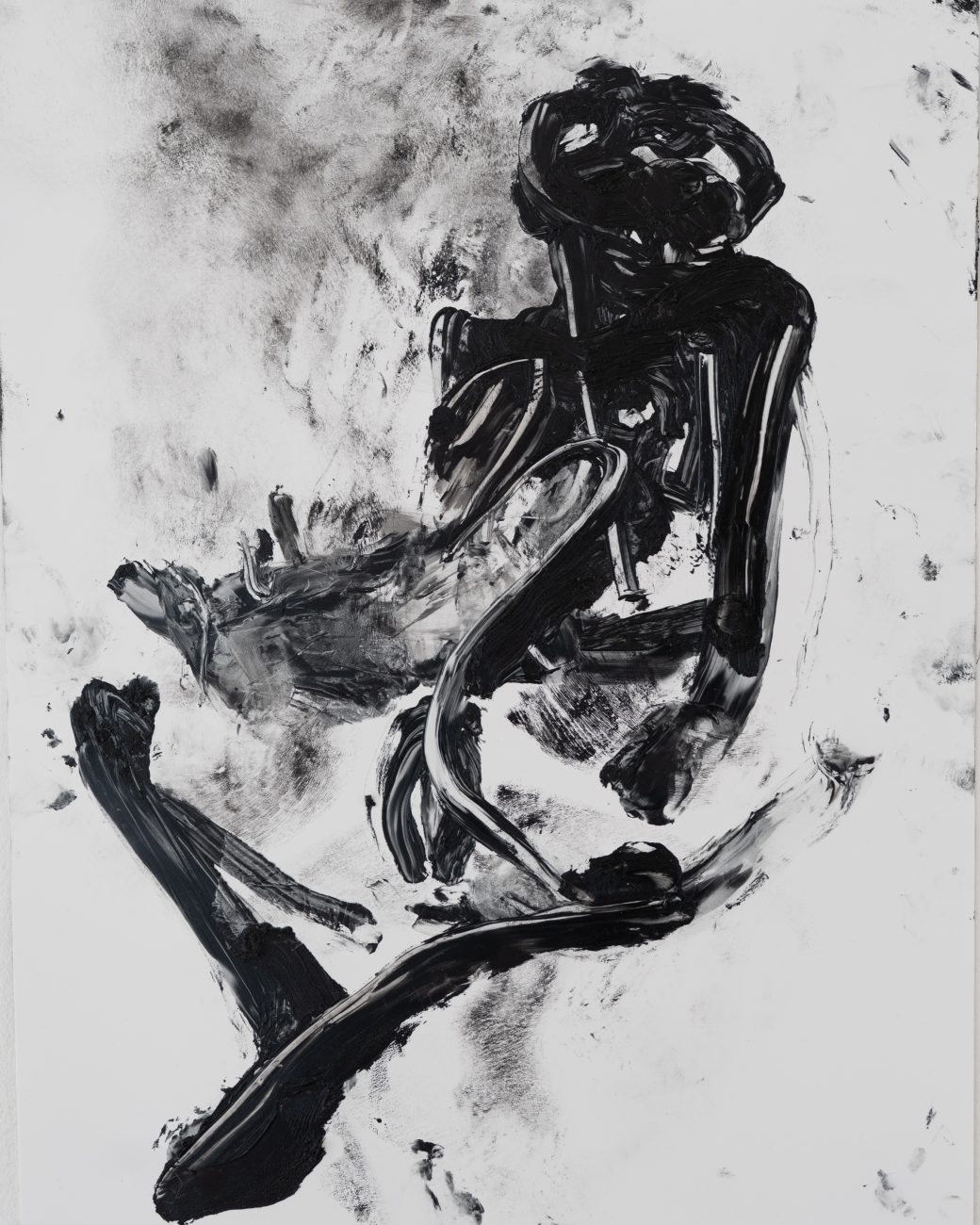
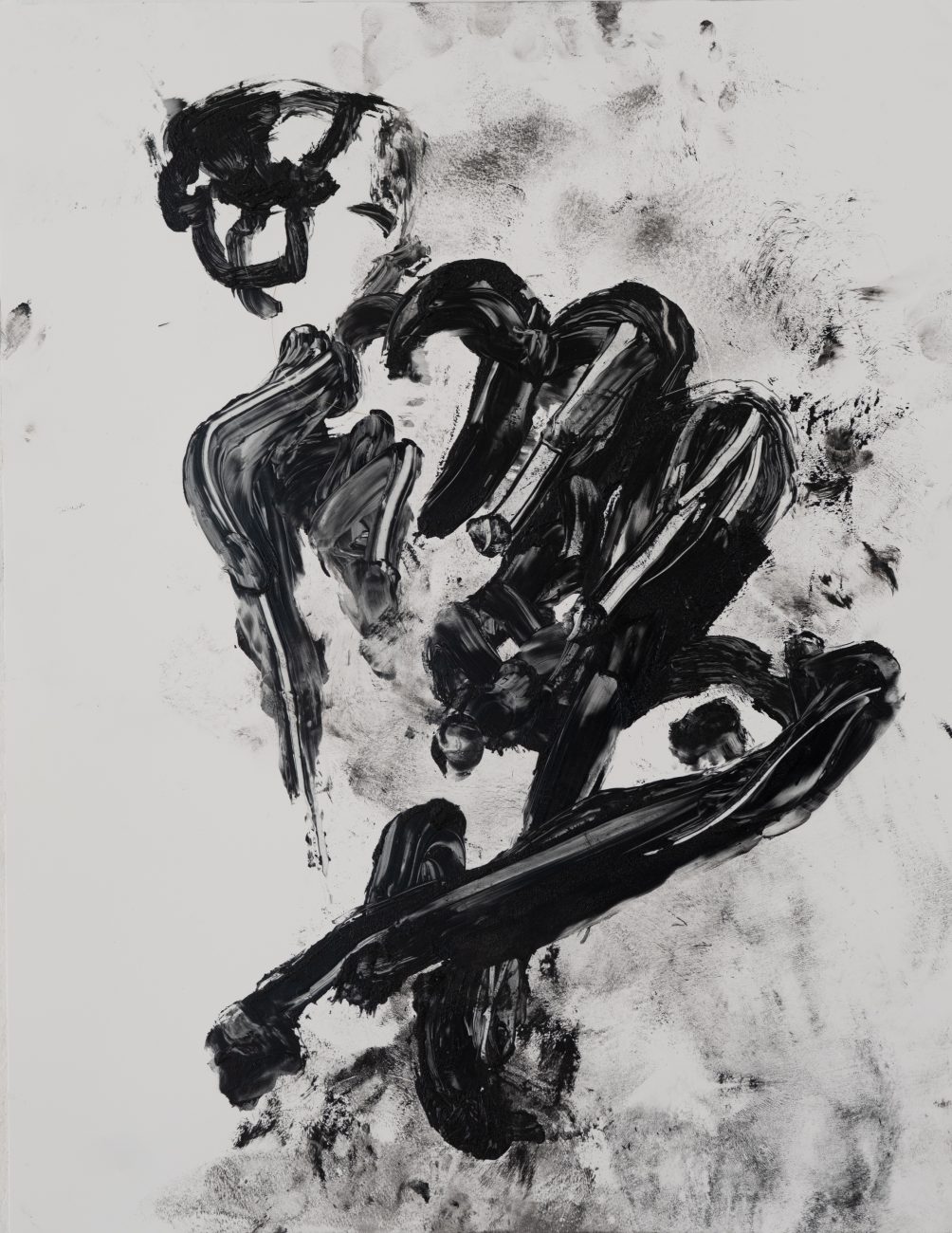
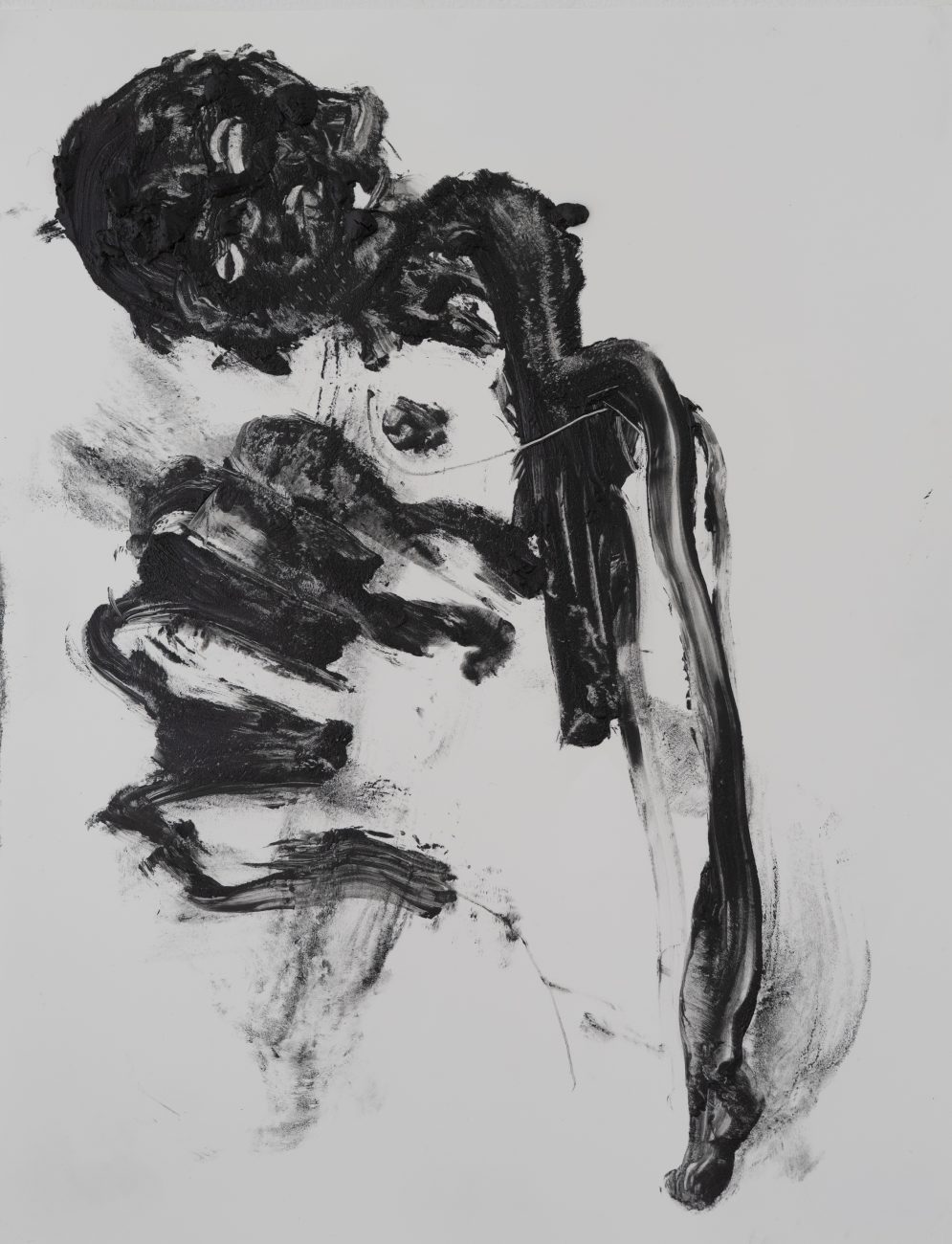
Oil stick on paper
often starting with the genitals
then I trace around my hand.
Then draw the legs and arms
then the face.
This is how I approach drawing the different parts of self.
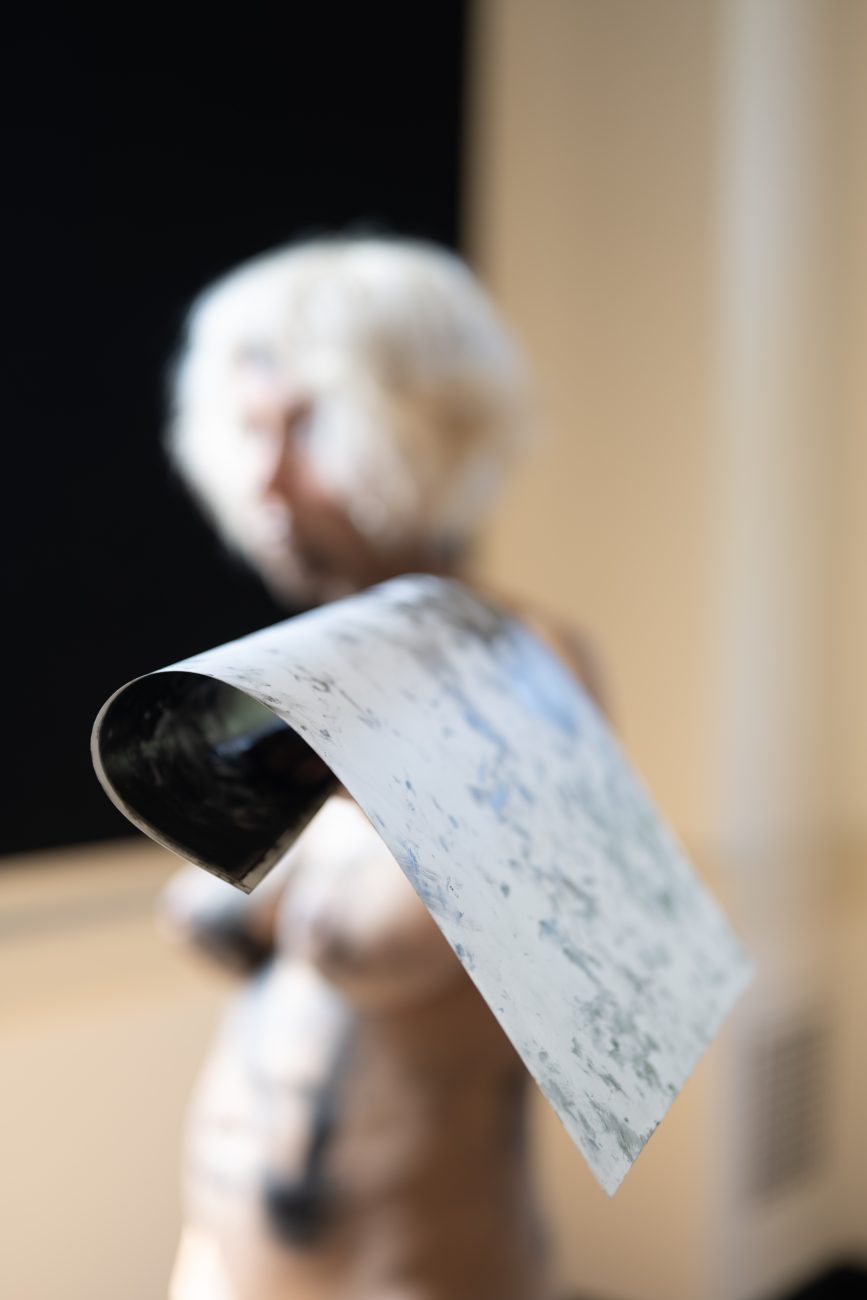
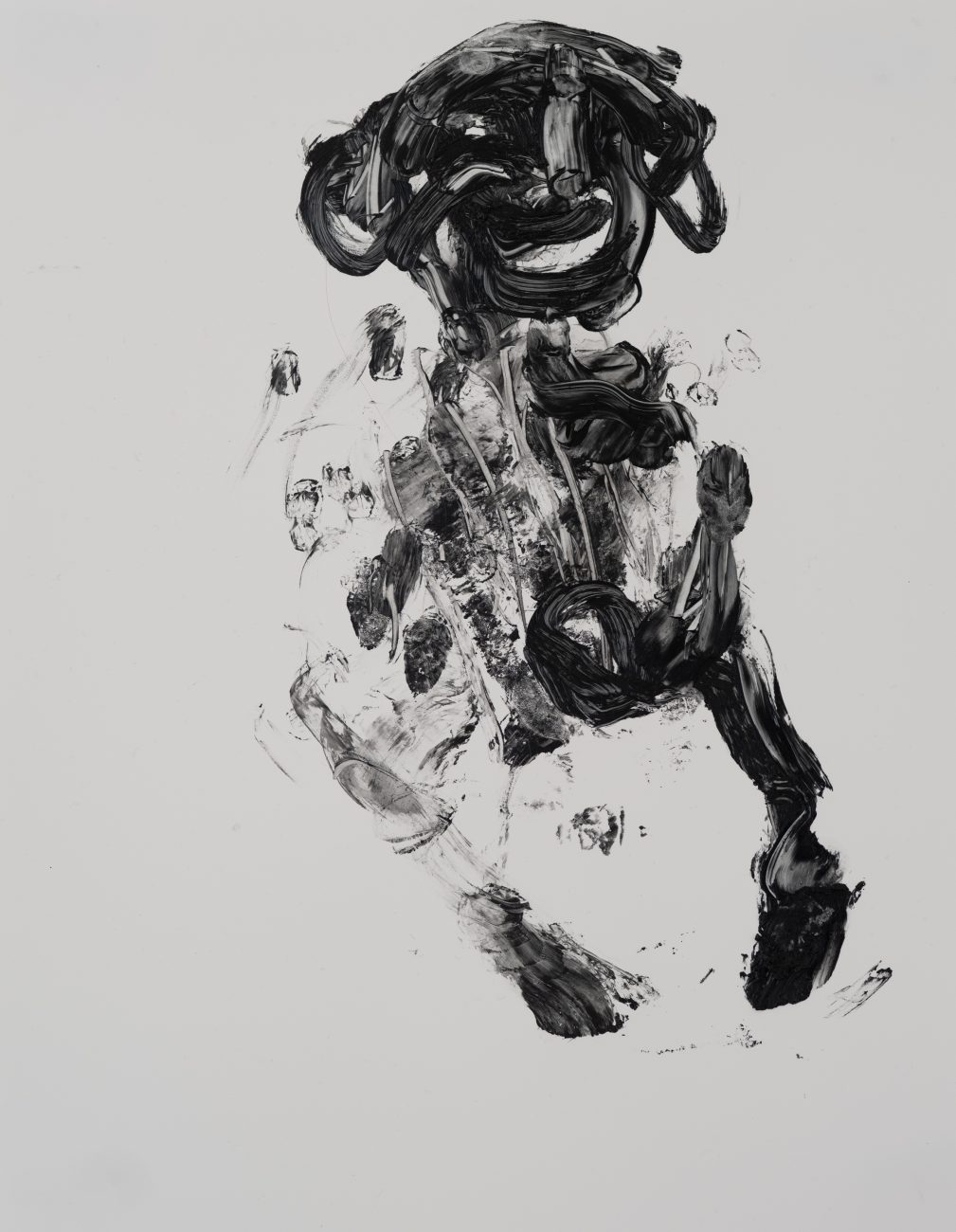
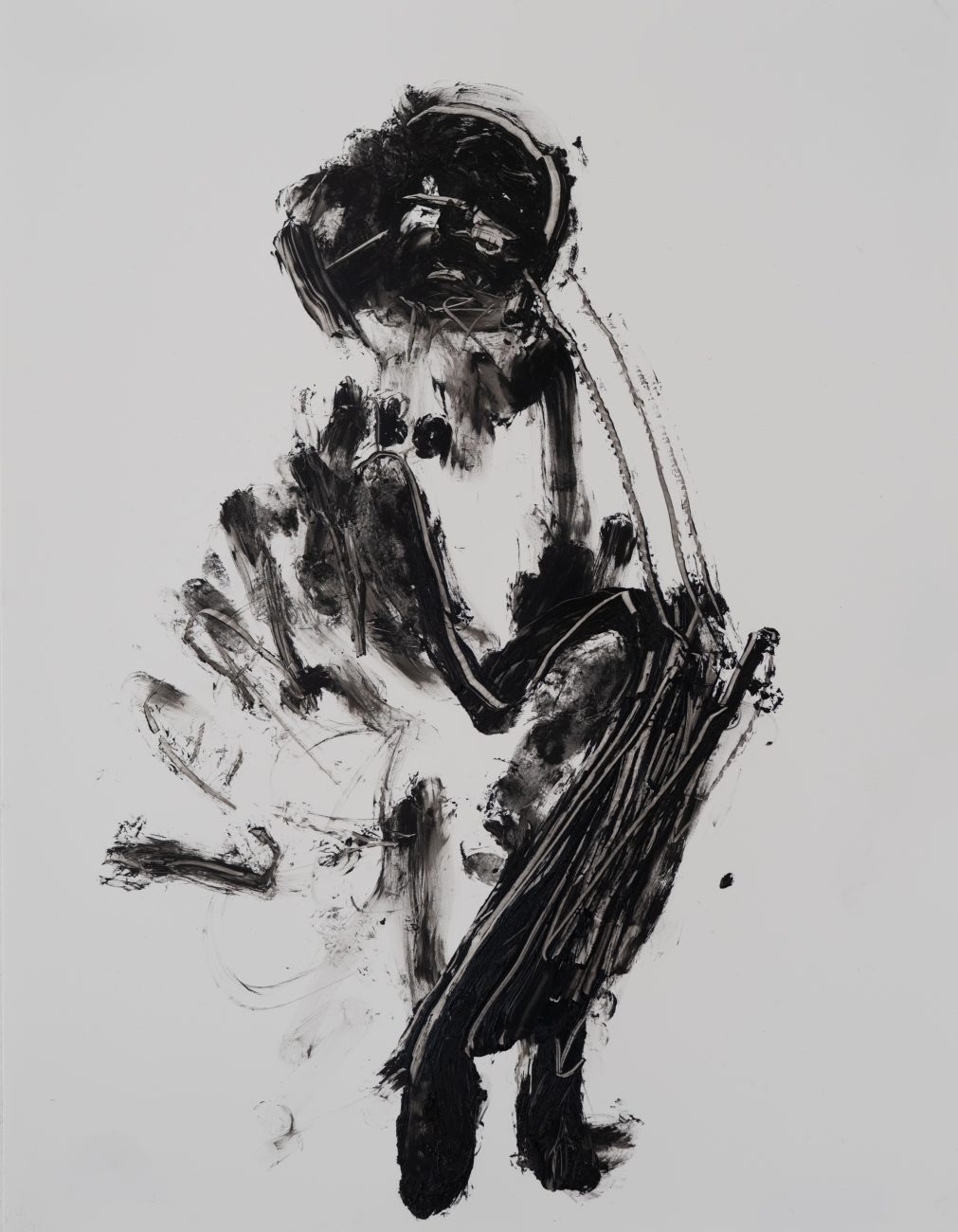
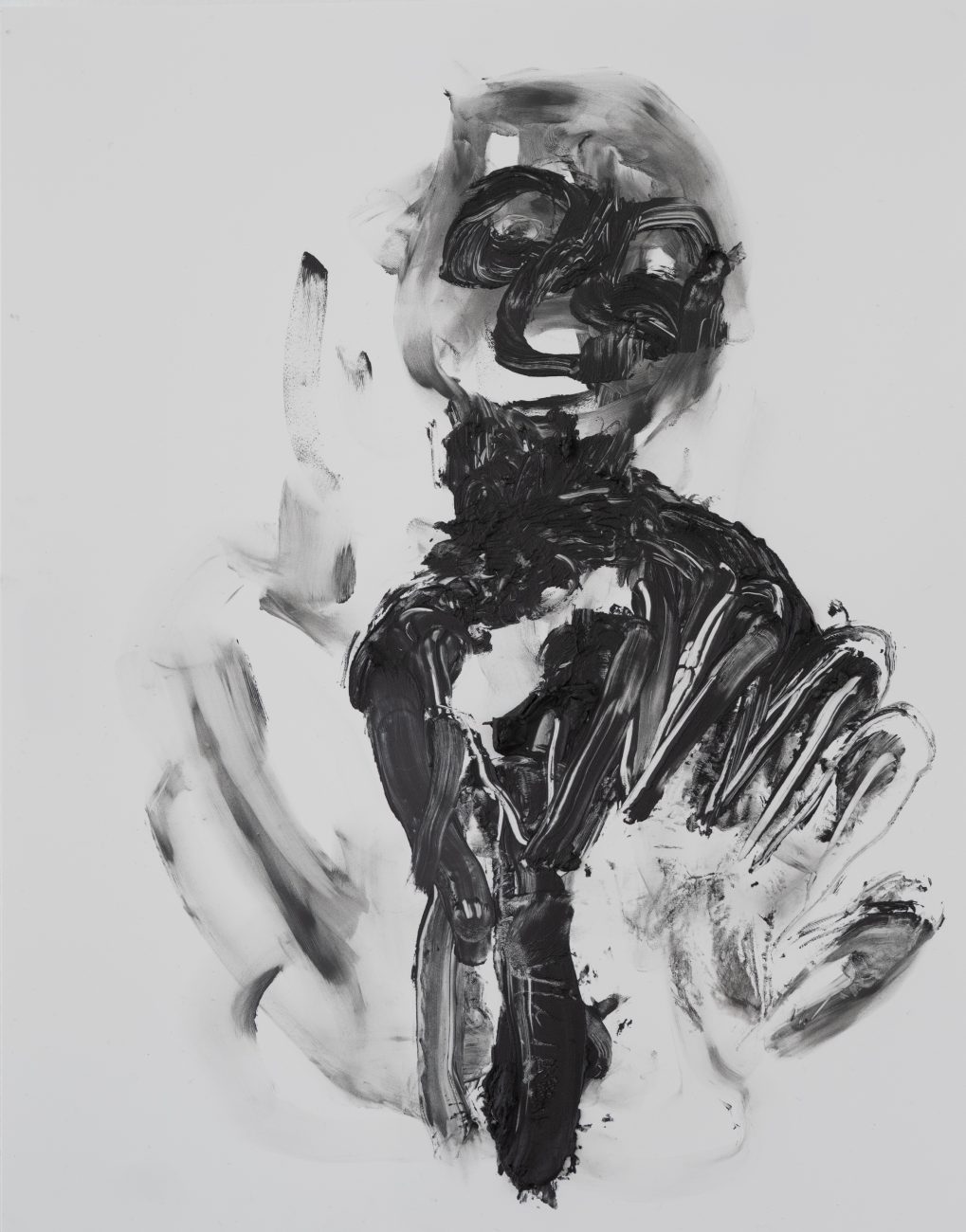
These oil-stick drawings, still wet, are pressed upon my naked body. The image transfers and extends itself away and from the paper directly onto the skin. The imprint can be taken in, consumed through the mouth, and absorbed through the skin. What does it mean to draw it and then to take it back in? To bring it out and then consume it.
Photography and the imprint:
Kara Kirk had given me a camera a while back, and I had not used it much. However, the idea of self-portraiture with remote photography in combination with the lighting conditions of the space and the space as an incubator for psychological processing on transference and projection in relationship dynamics made me very interested in the photograph. I had already been experimenting with some stop motion, noticing how photography can function in contrast to video. As I continued to push my edges, the work developed from presentation for the other towards a taking in for the self.
And the camera is still there; it becomes a mirror. It reminds me of living with my mom and seeing my patterns and noticing.
It felt important to look at the camera, a holding on that is self-witnessing.
The imprints going onto my skin:
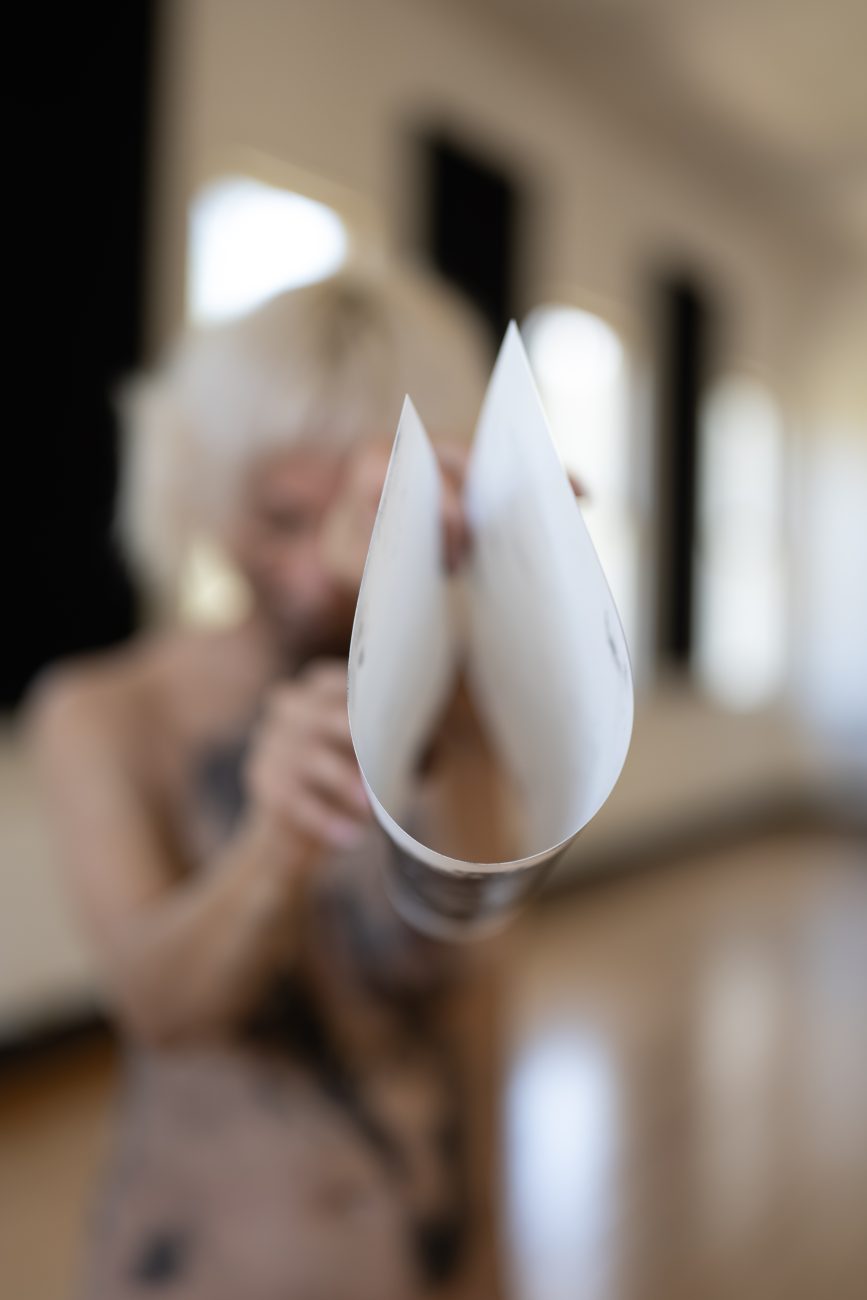
I was feeling stuck in the photos when I was holding up the drawing towards the camera. The images still felt like they were for the viewer; they also felt too clean. Cedric Tai suggested I put the oil paint on myself. This opened up my willingness to get oil paint on my skin, which changed the dynamic between how I interacted with the work. It then could be absorbed and taken in, a form of ingestion of the very thing I had drawn. I’m still interested in exploring this relationship and in using photography as a mediatory mirror to self-witness this act.
The Performance:
I consider this performance growing from both a previous iteration in which I traced along the edges of a house I was previously living in and the perimeter horizontal walkings I started doing in response to the studio/ Project Space at Headlands.
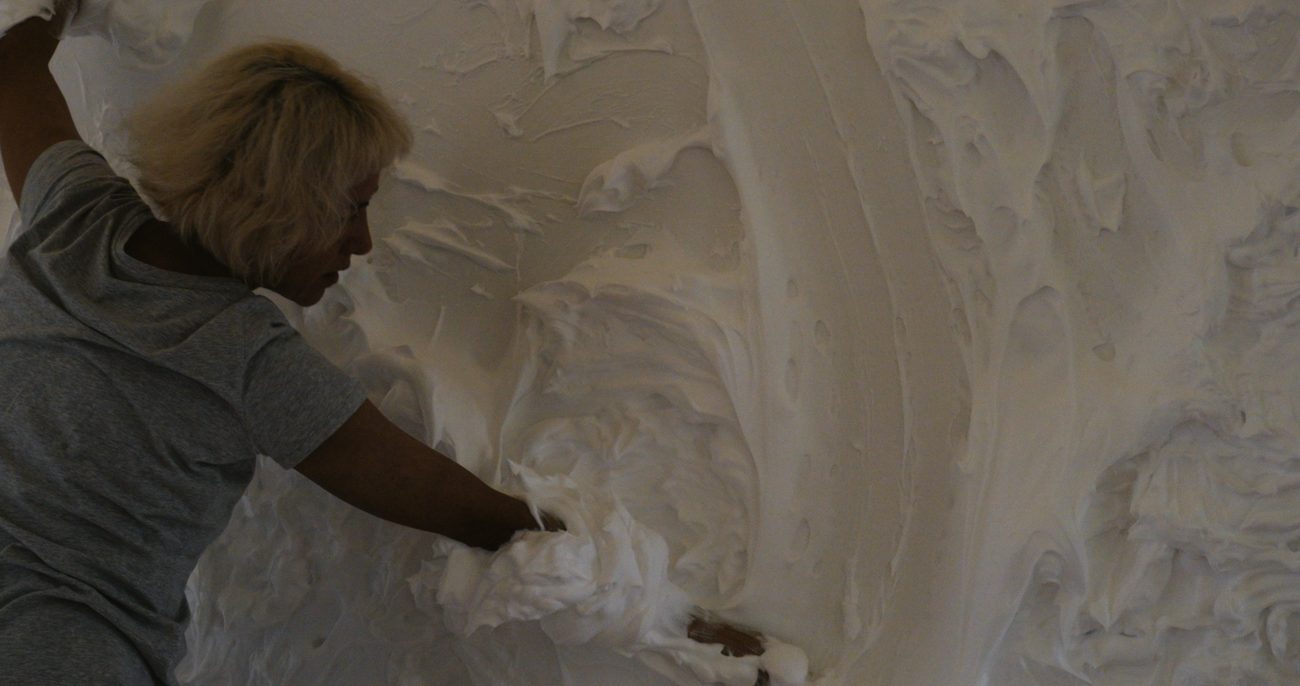
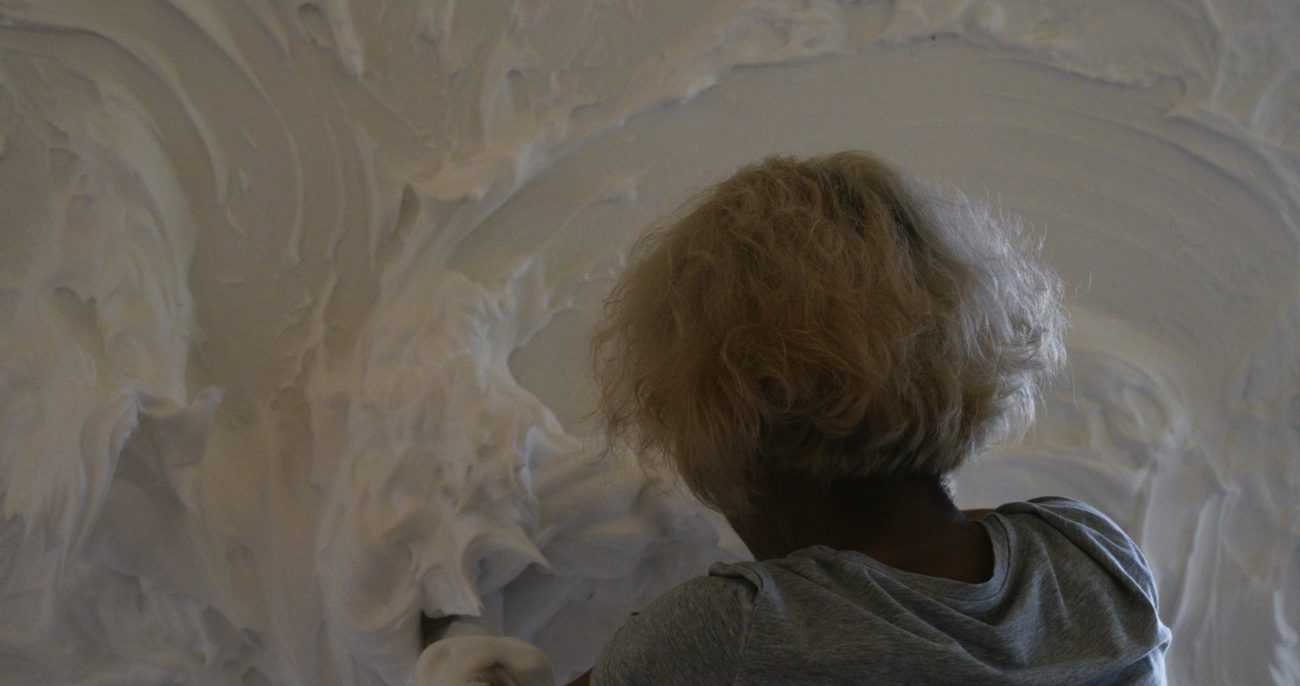
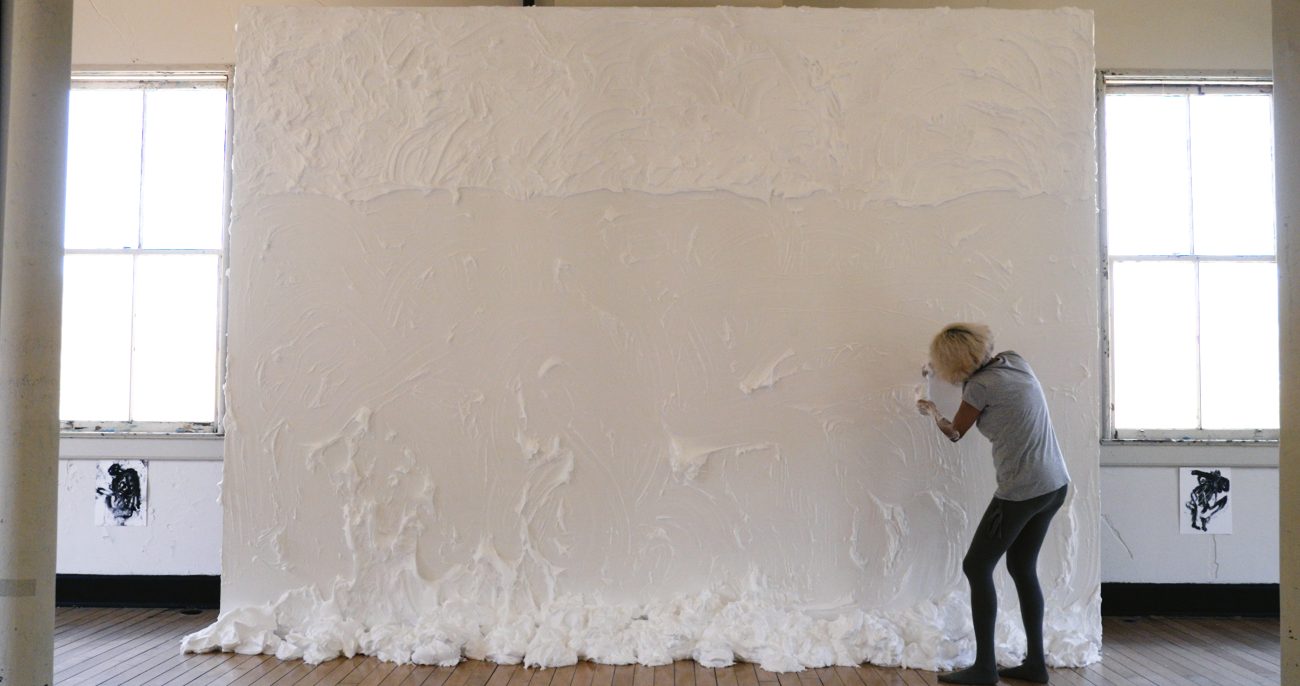
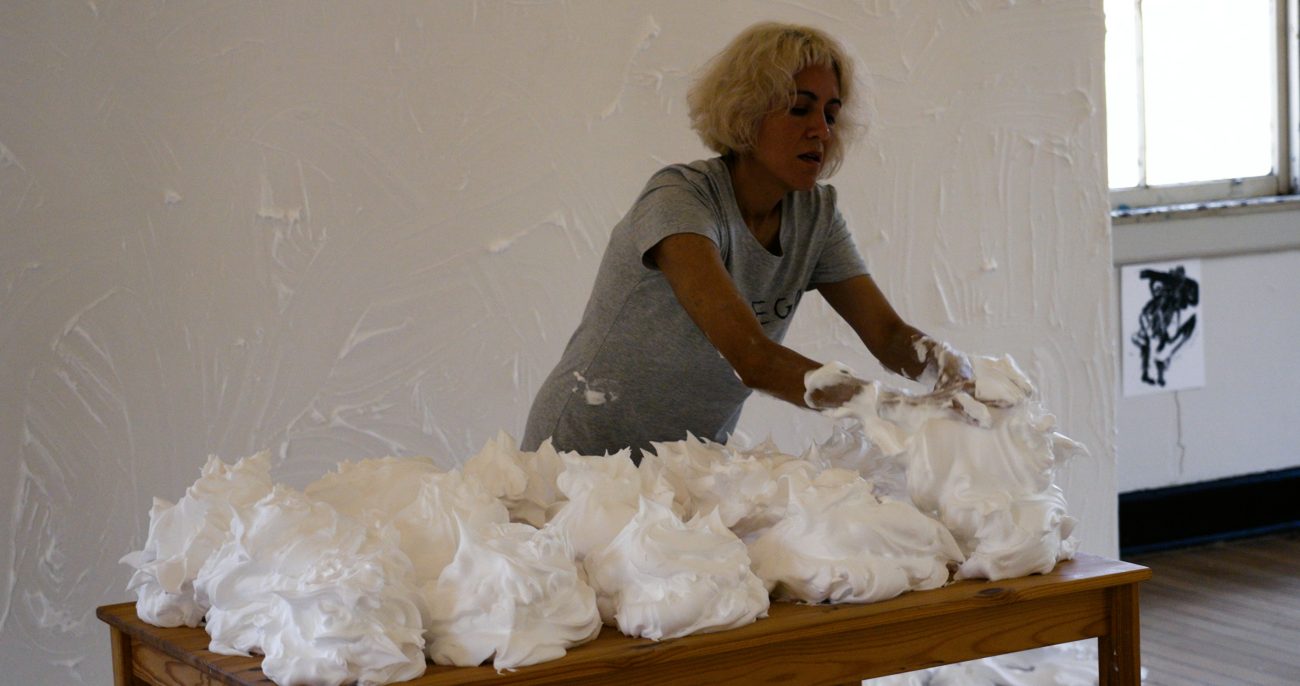
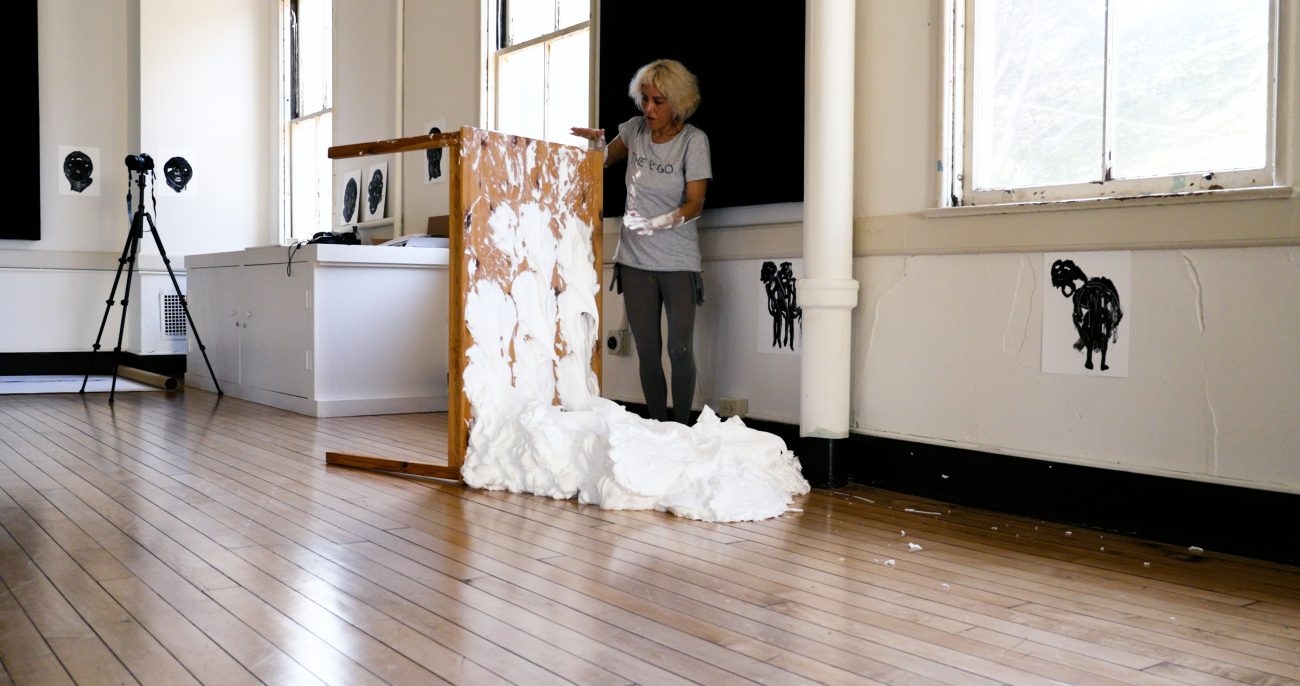
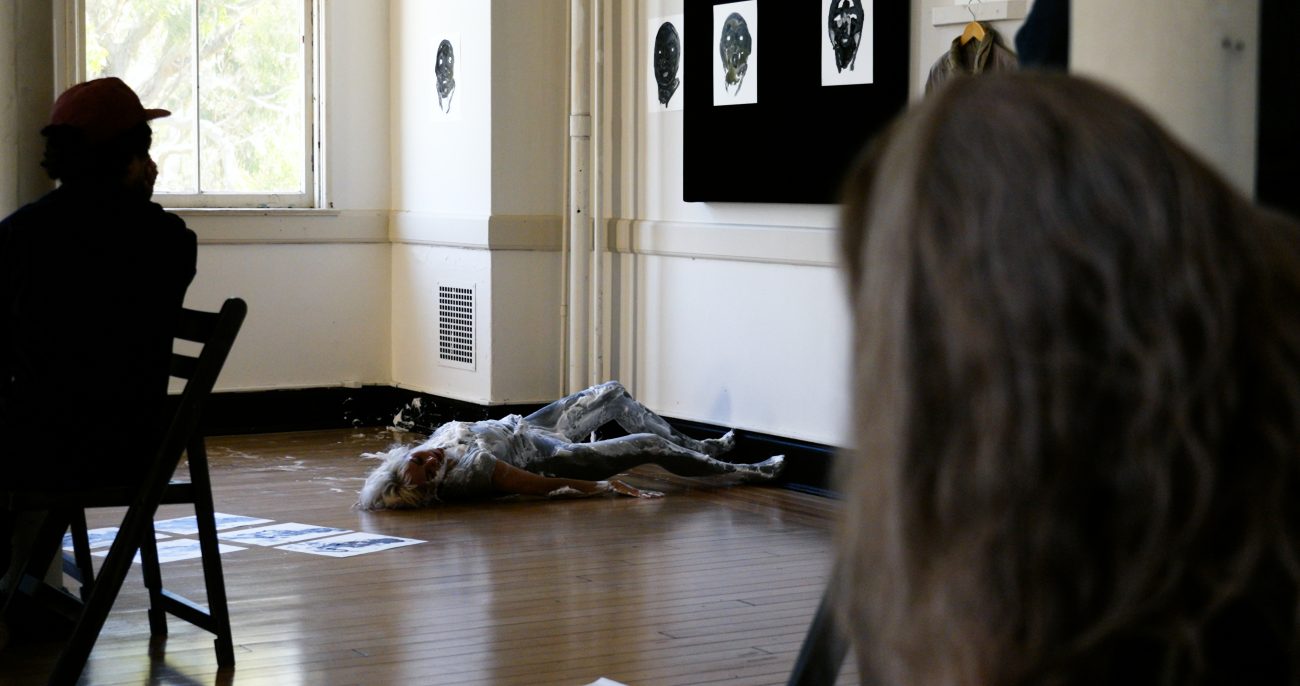
The intention with this performance was to create material for an edited non-linear video work that conveys both a sense of documentation and the psychological framework. I drew an audience that I placed on one end of the room. The performance did invite people to enter and witness the performance and possibly be included in the video work.
Why shaving cream?
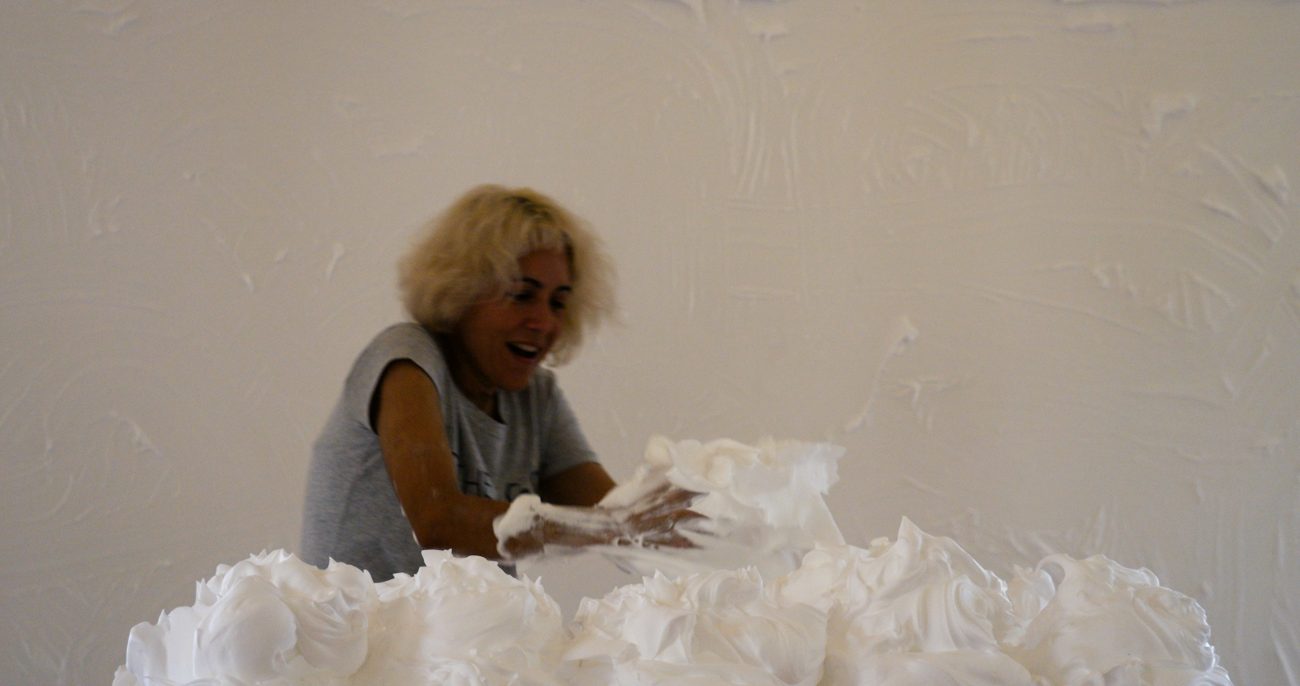
In the first iteration, I noticed the way shaving cream came across in video. The camera offered enough mediation that it could convey this material as both object-like and also fluid-like. I also like its whiteness, especially against the skin. And the white on white of the shaving cream on a white wall.
The Audience:
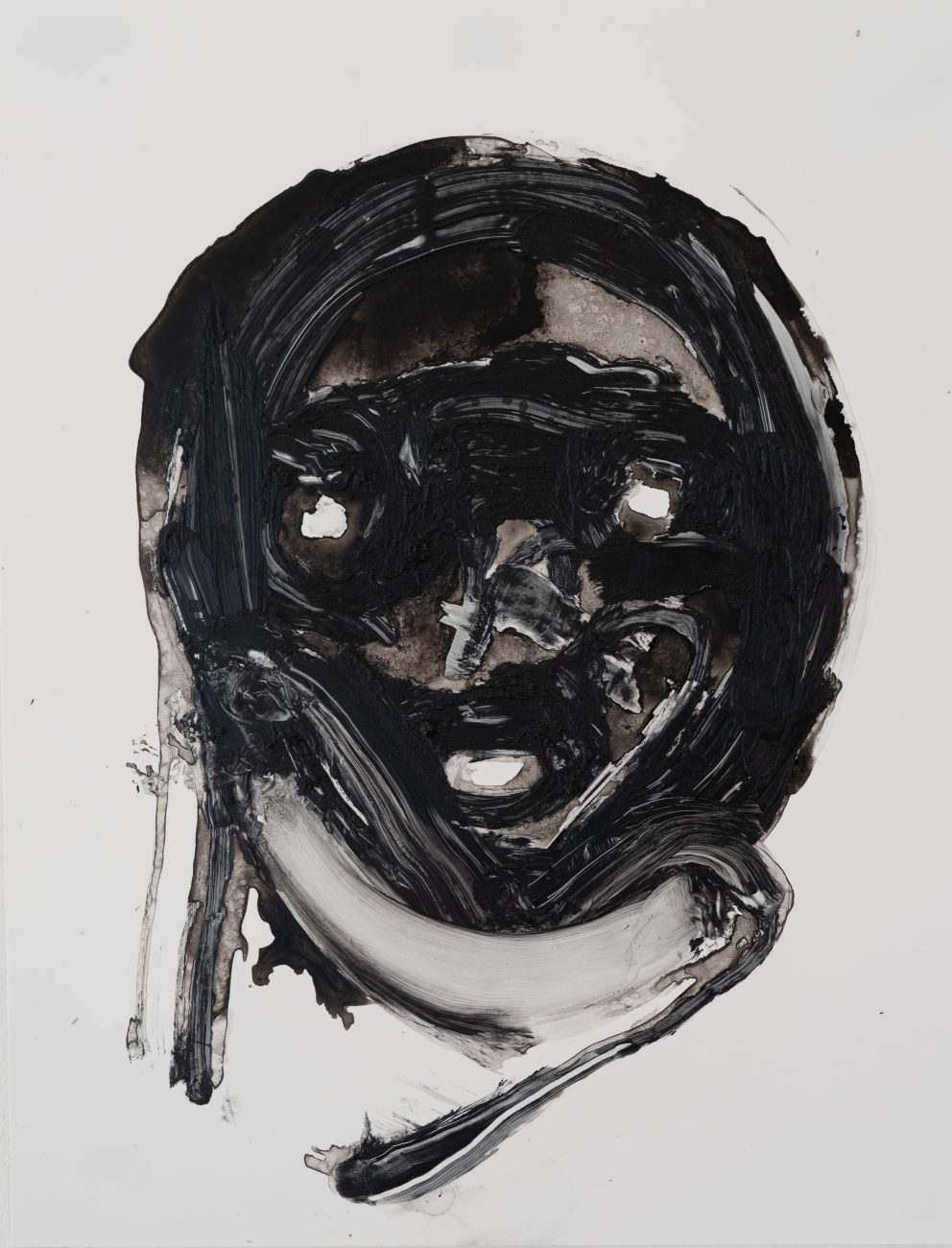
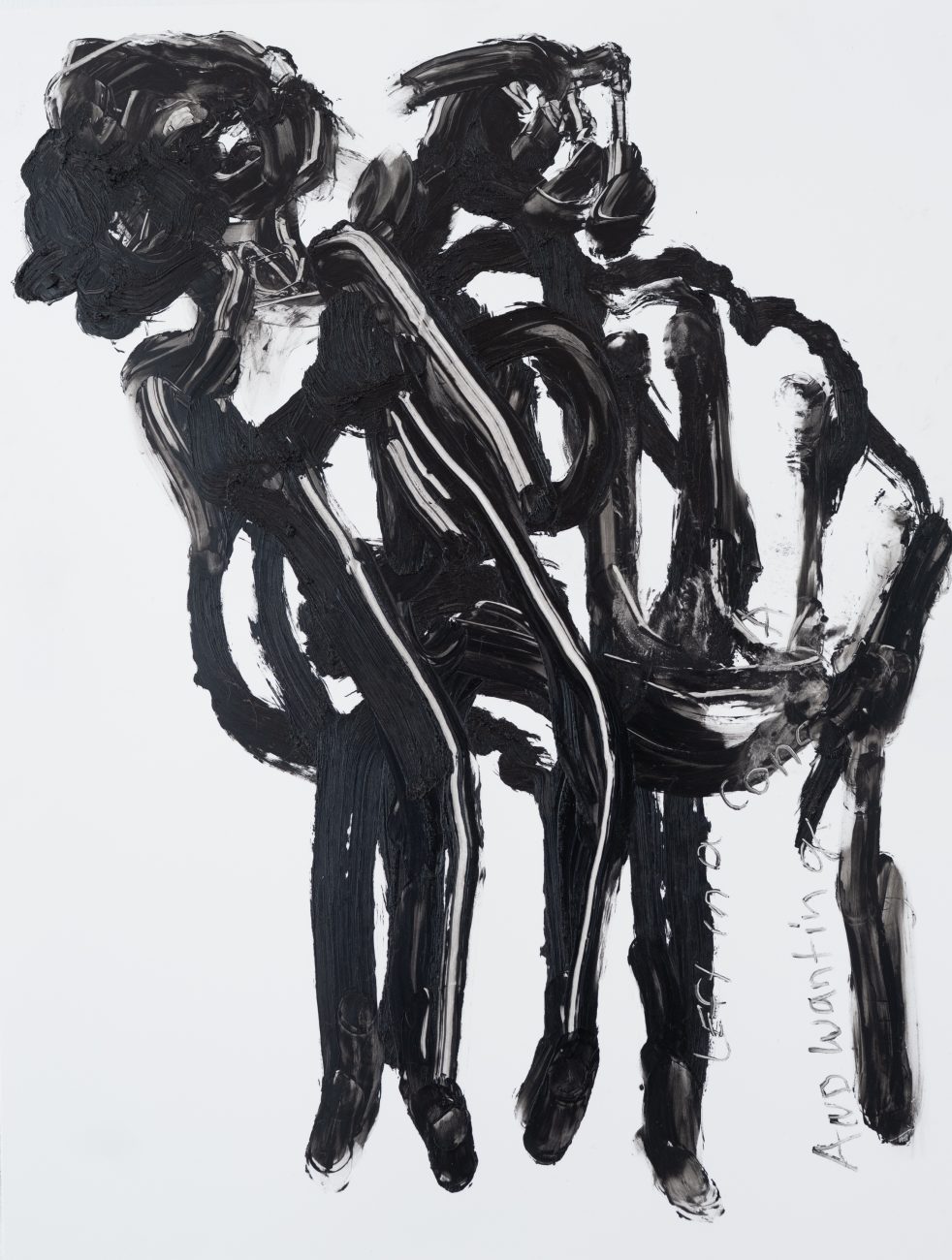
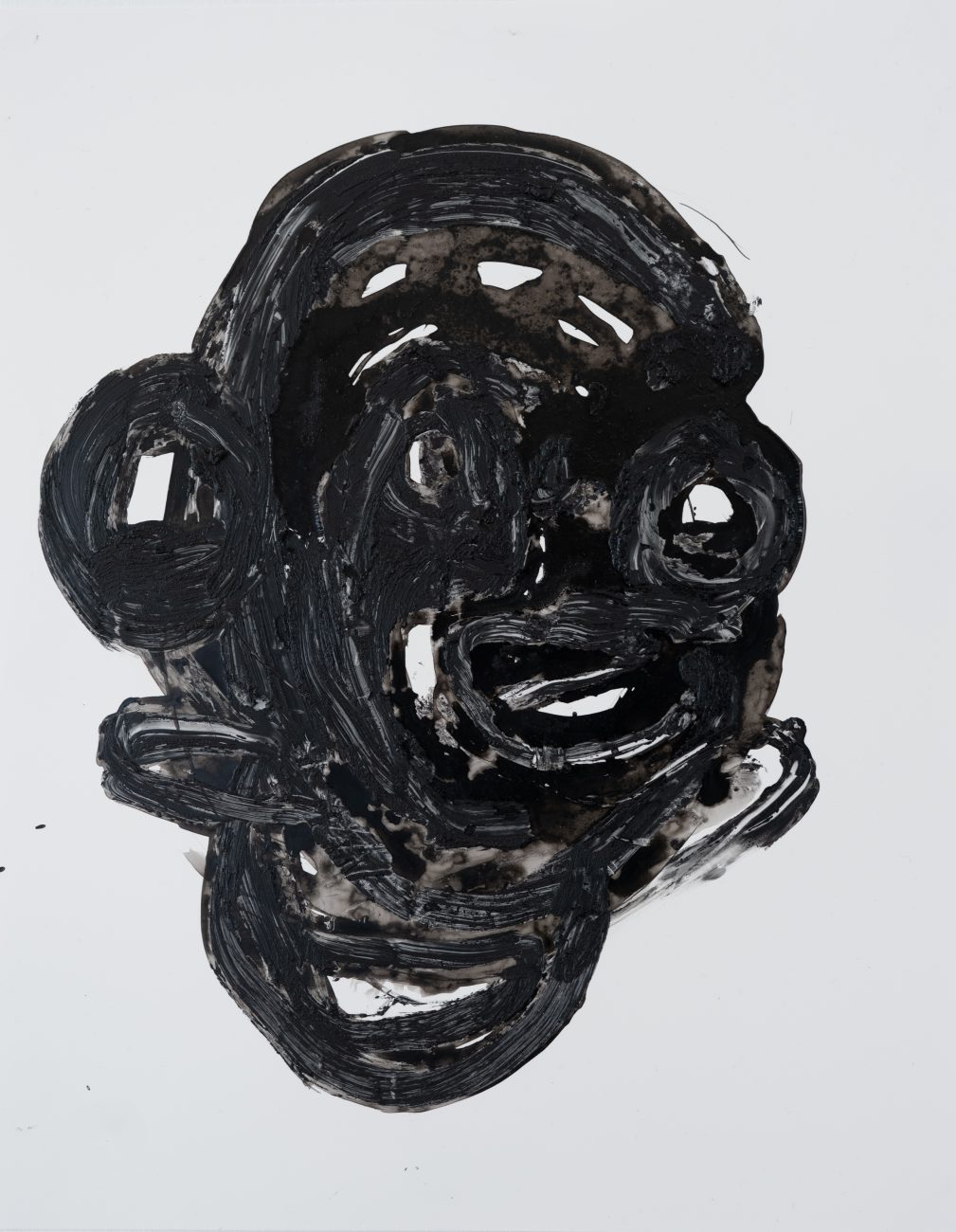
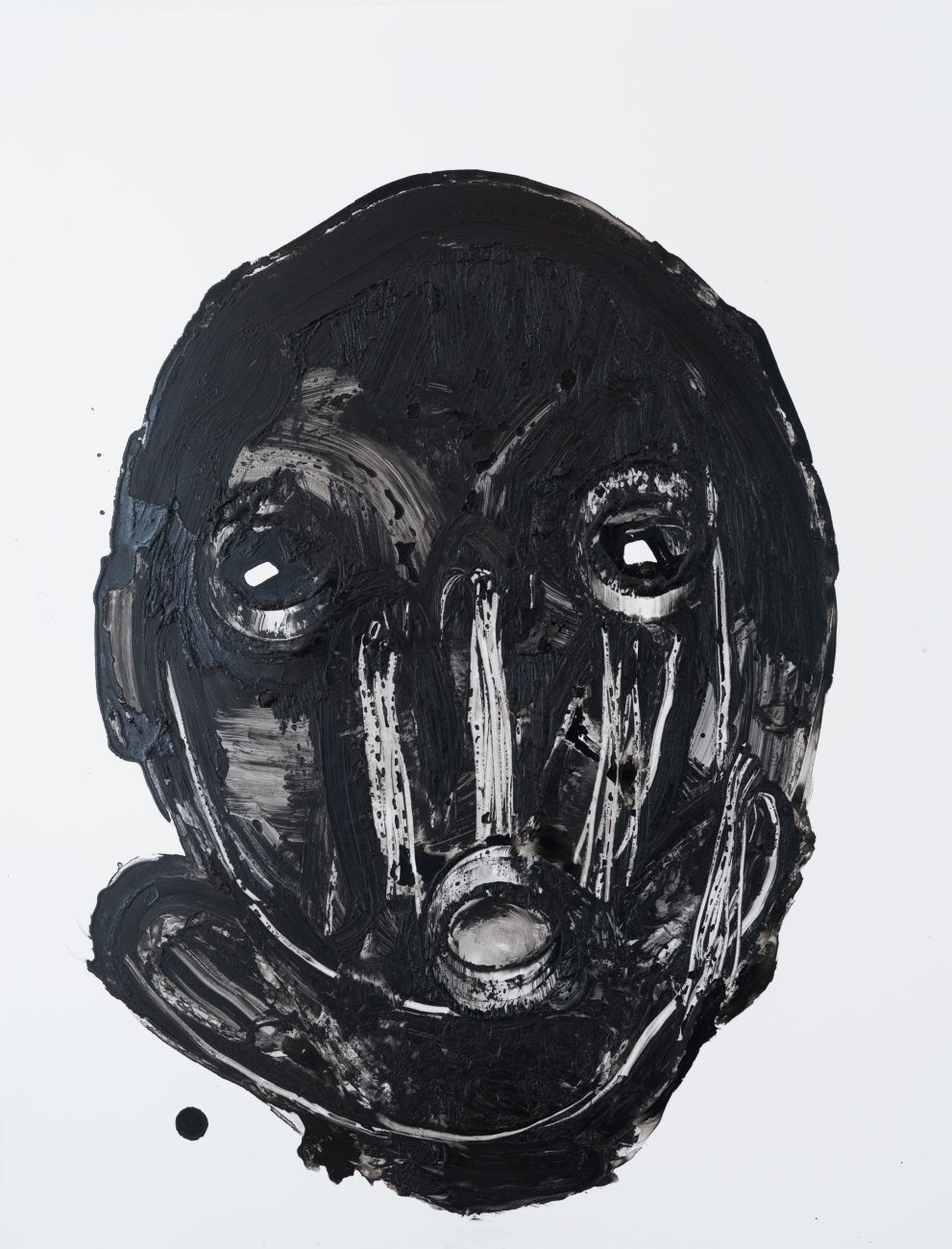
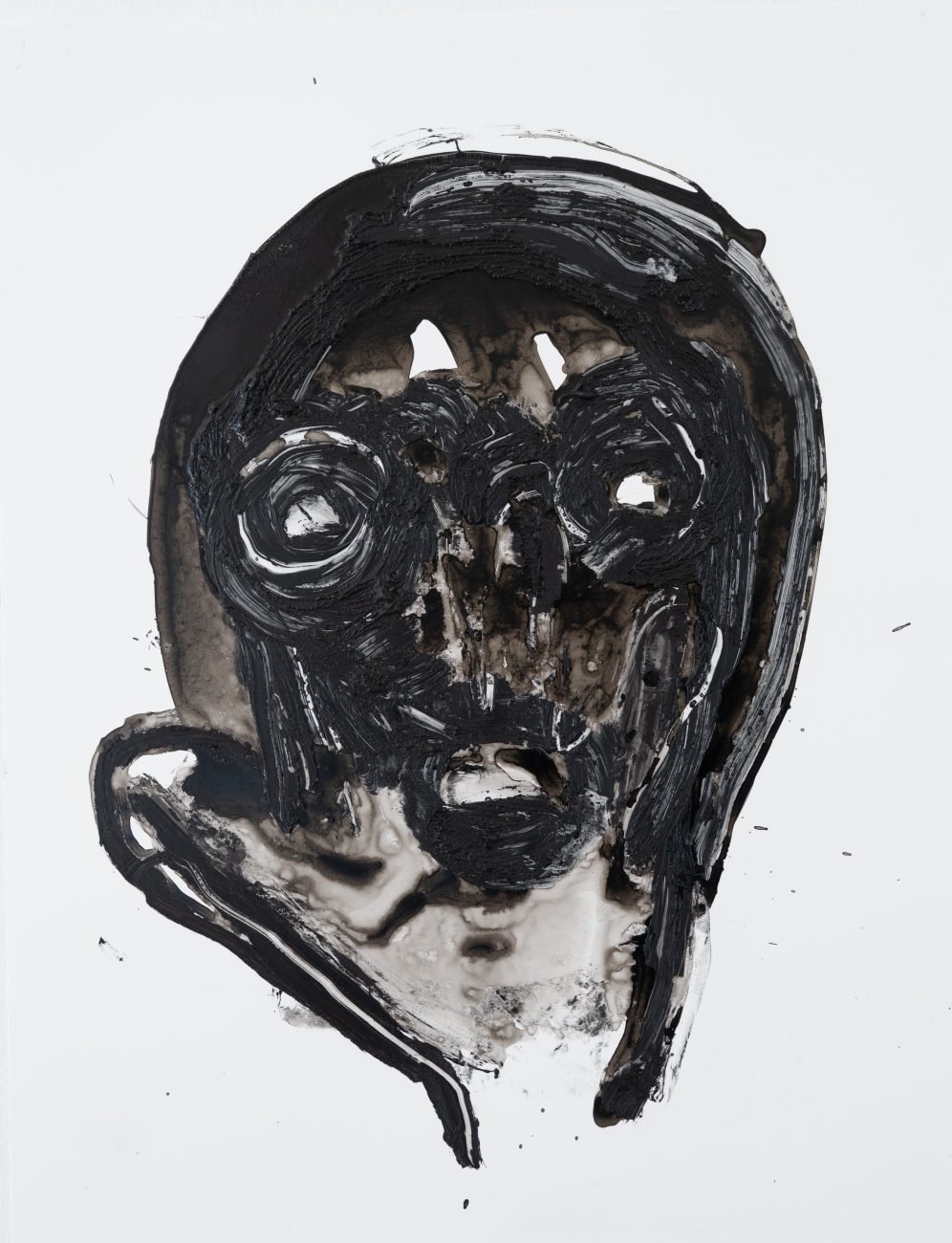
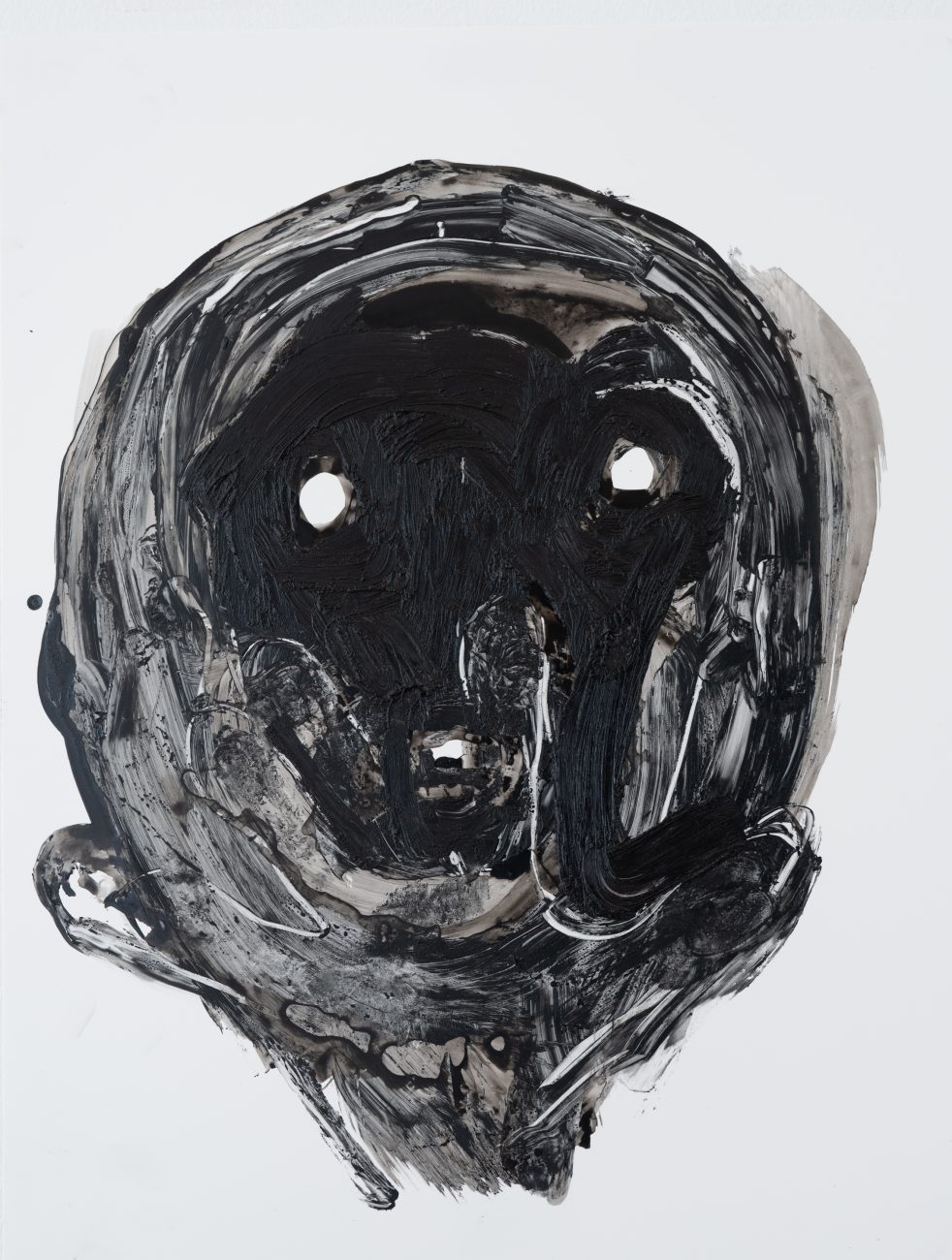
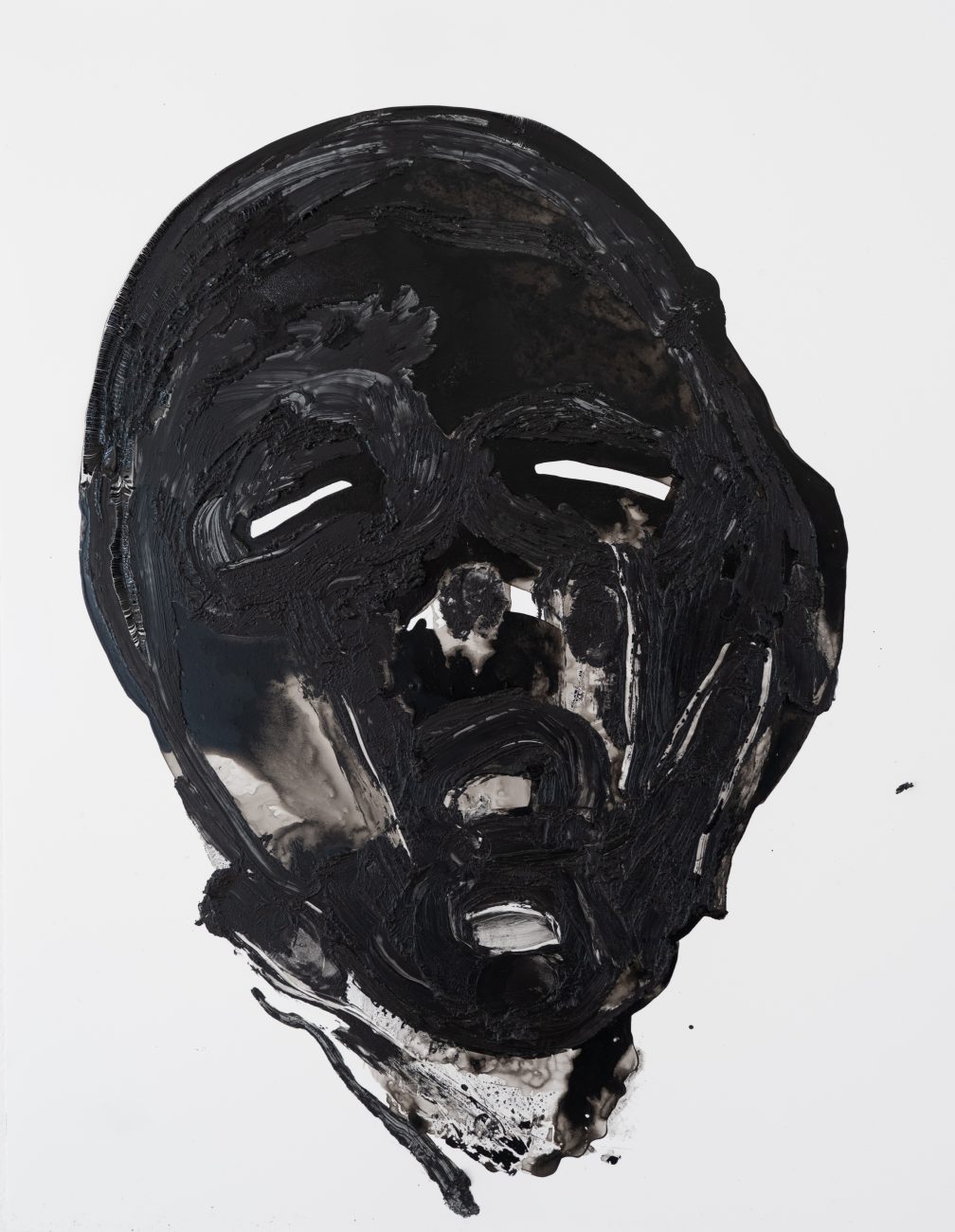
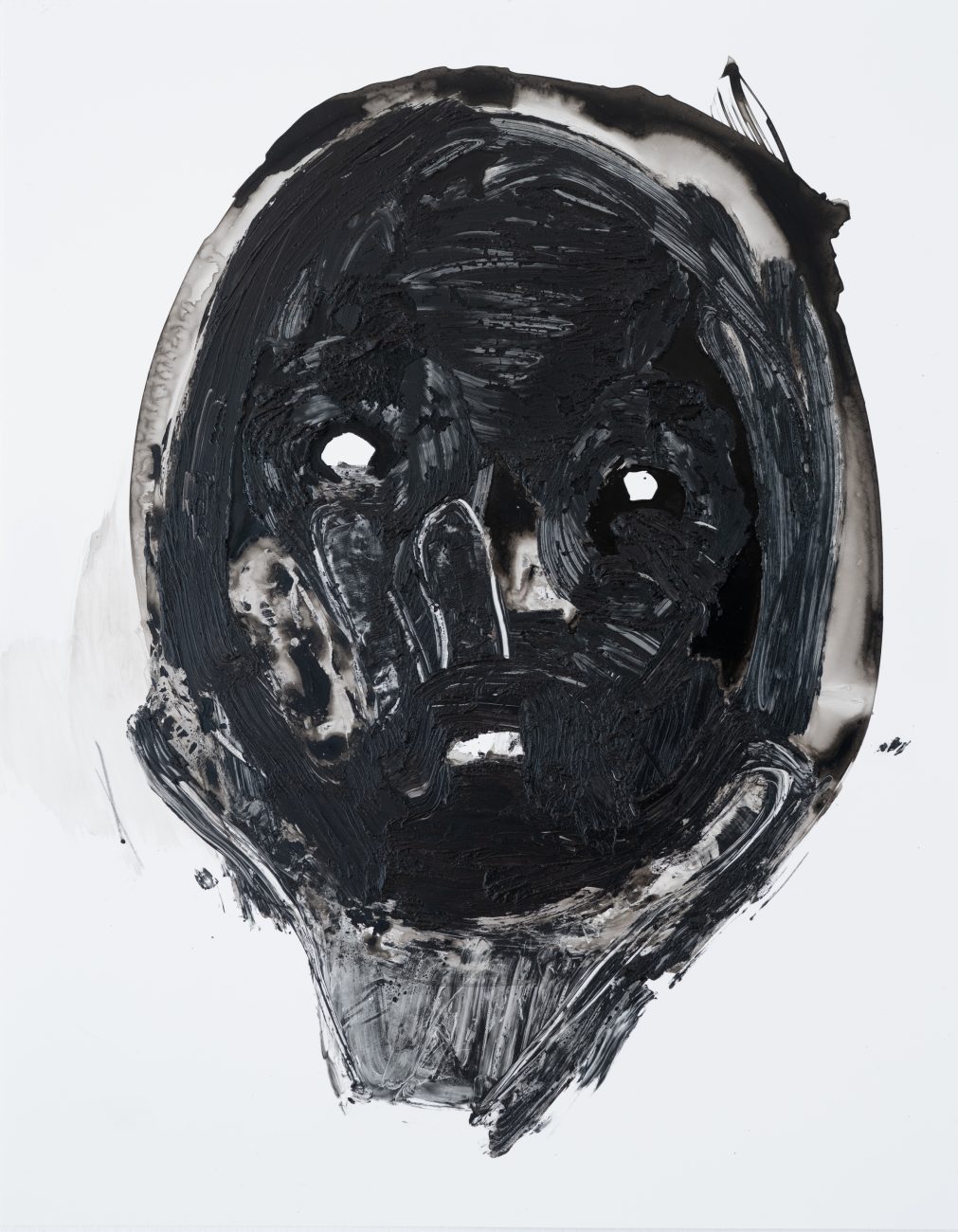
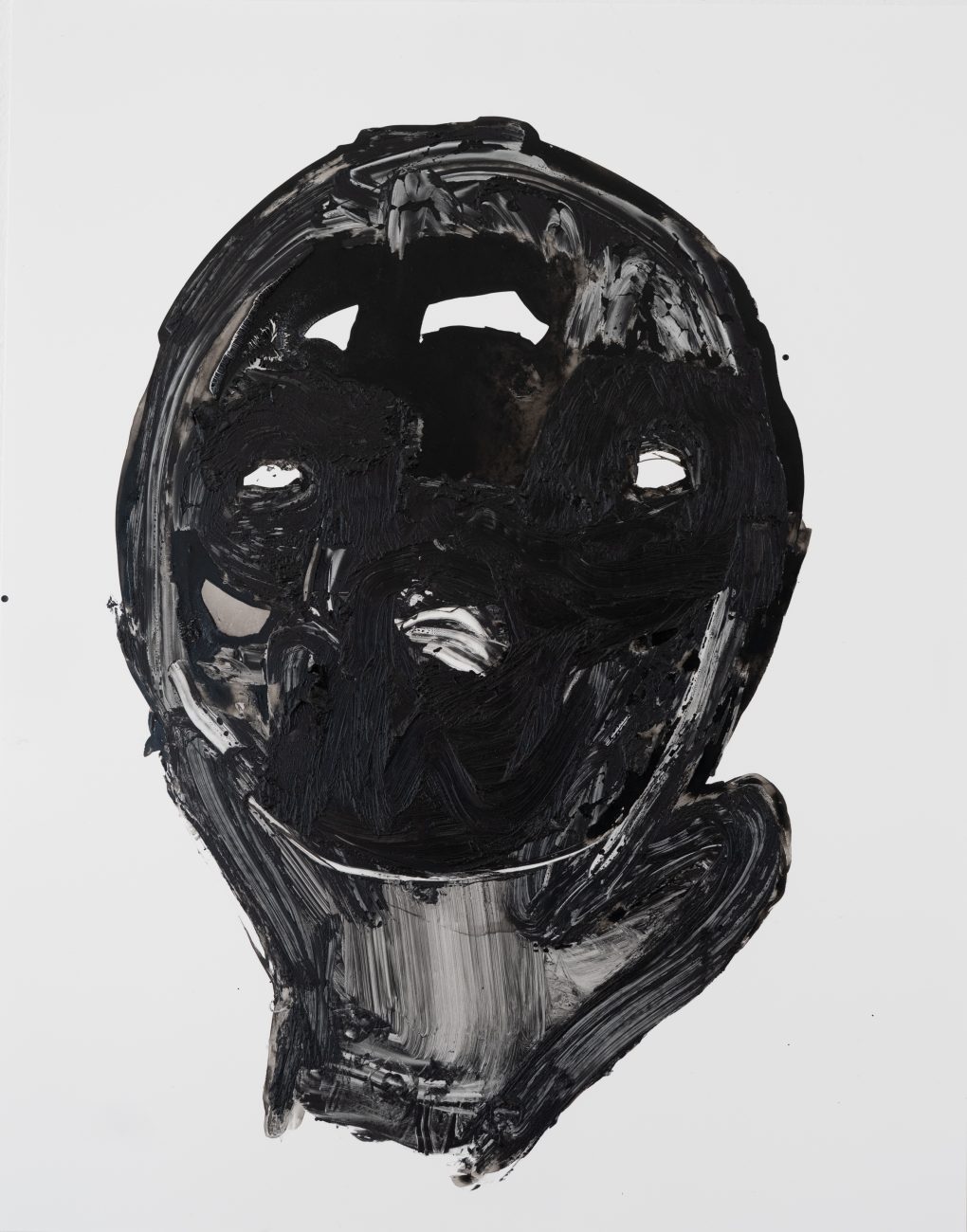
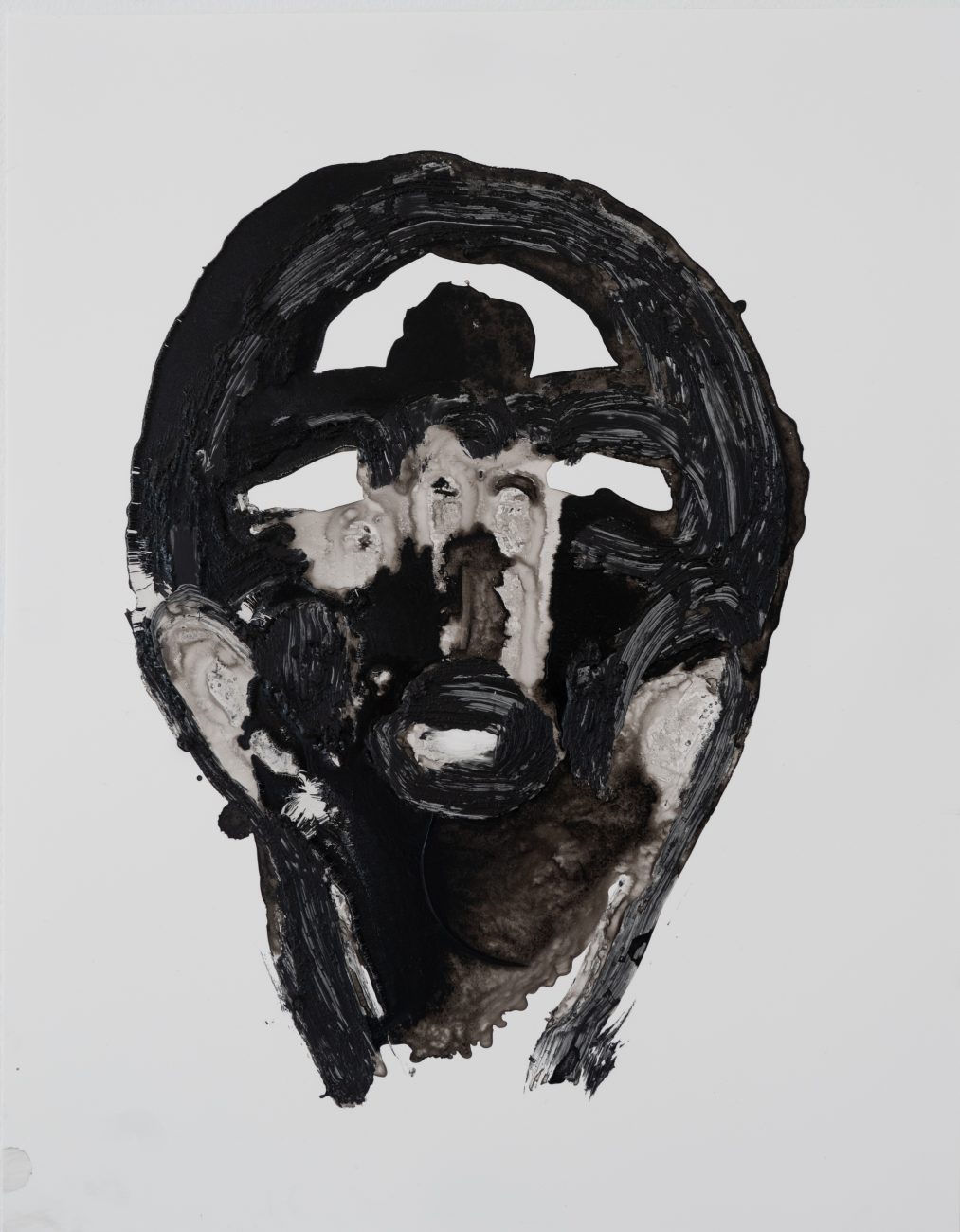
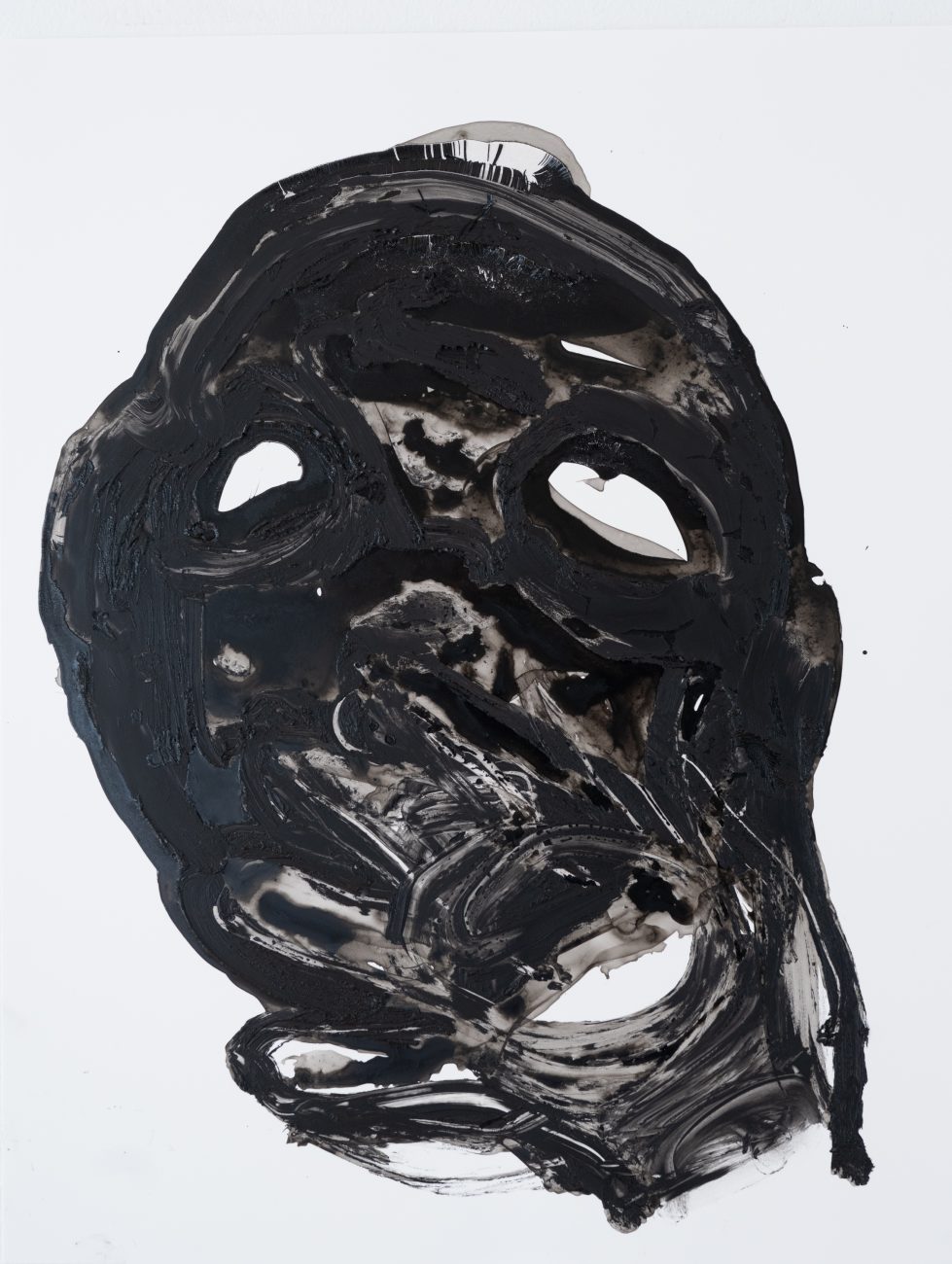
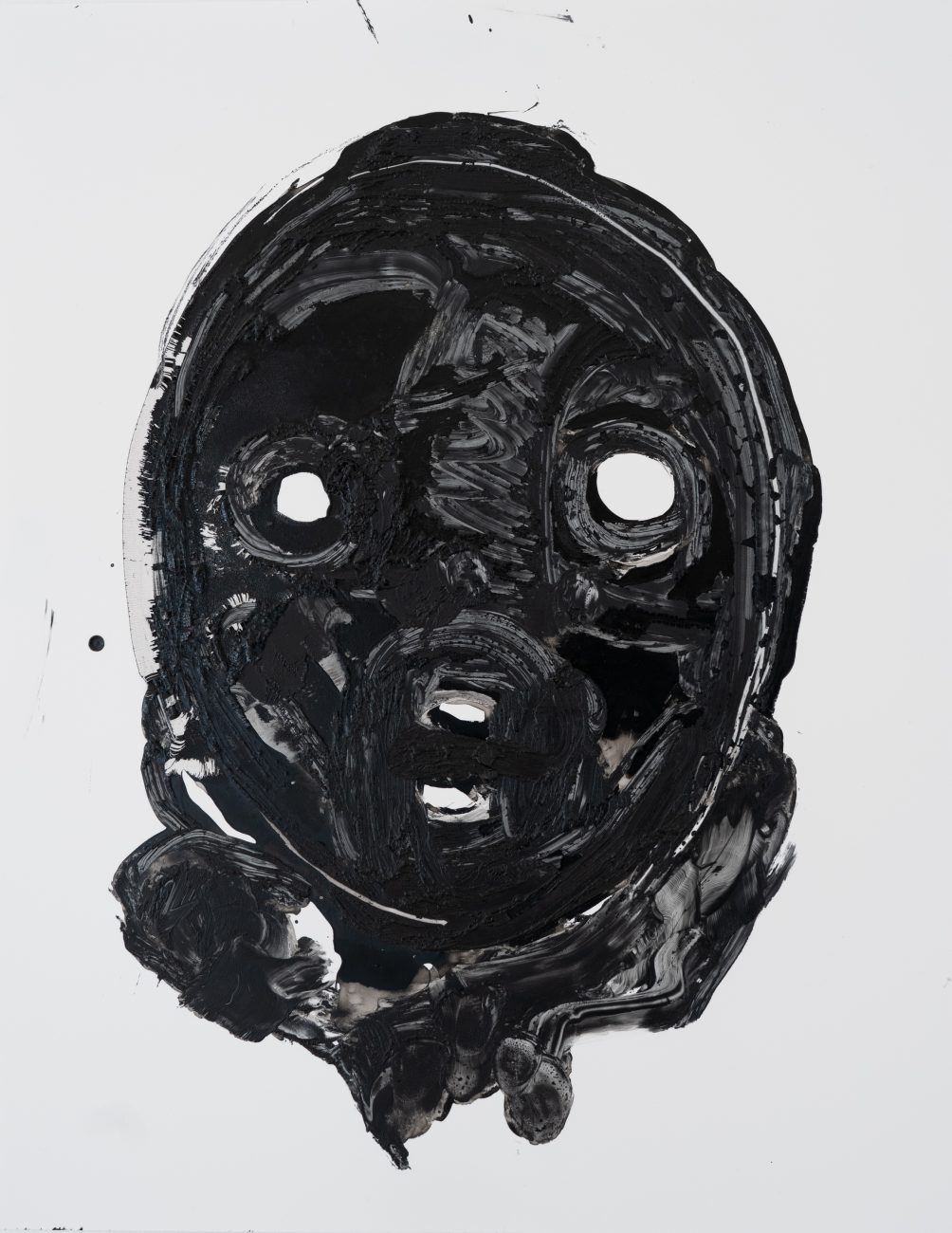
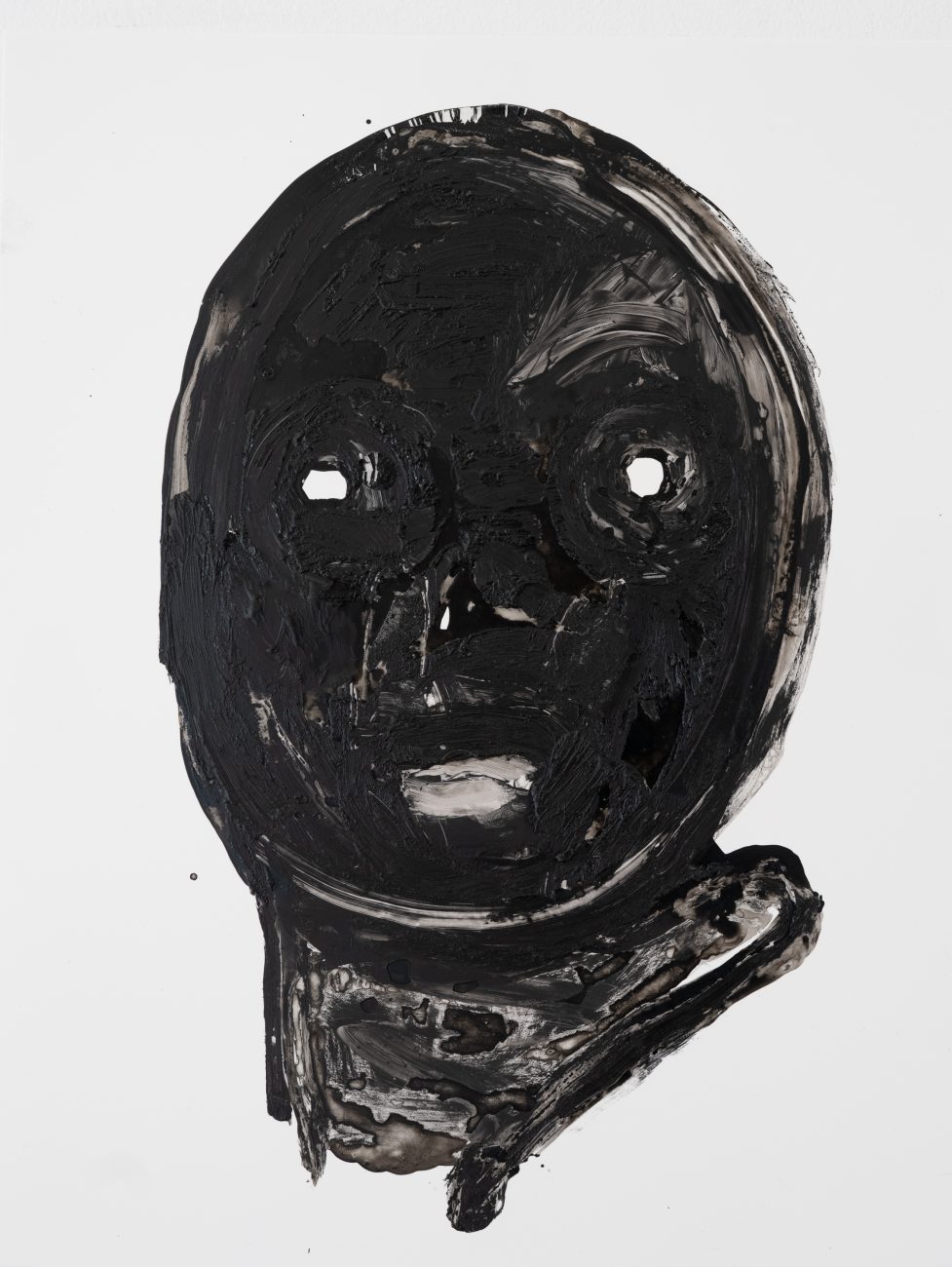
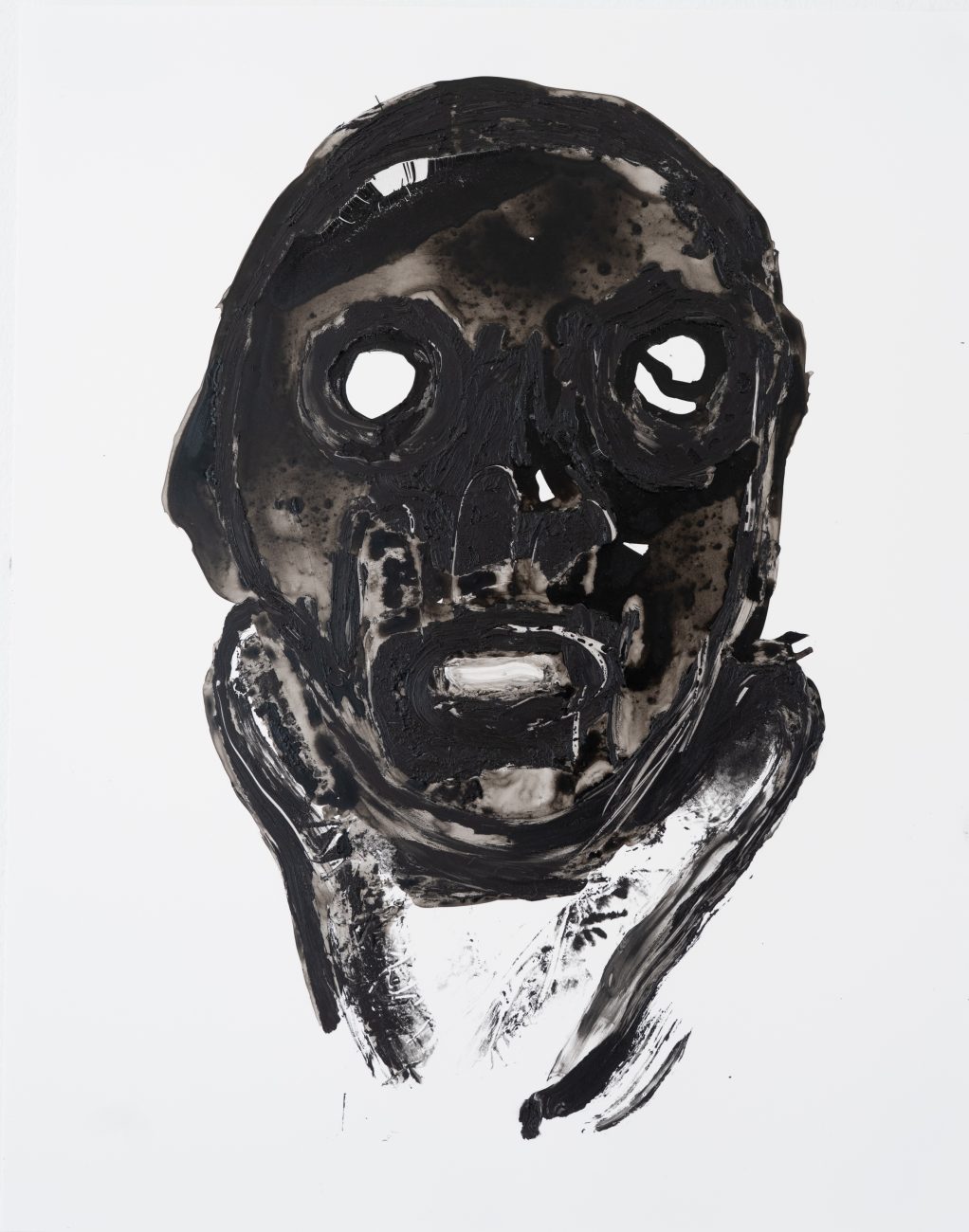
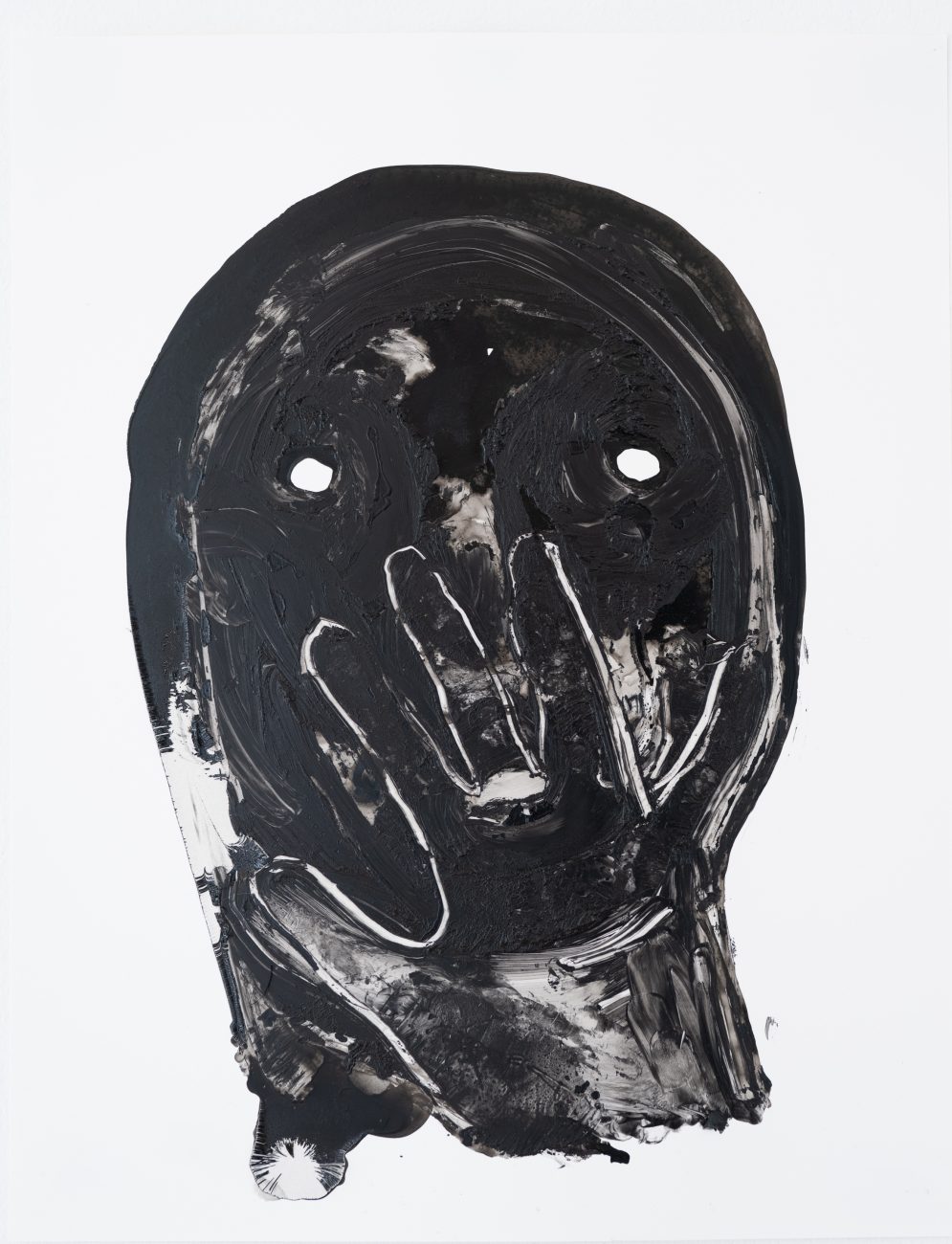
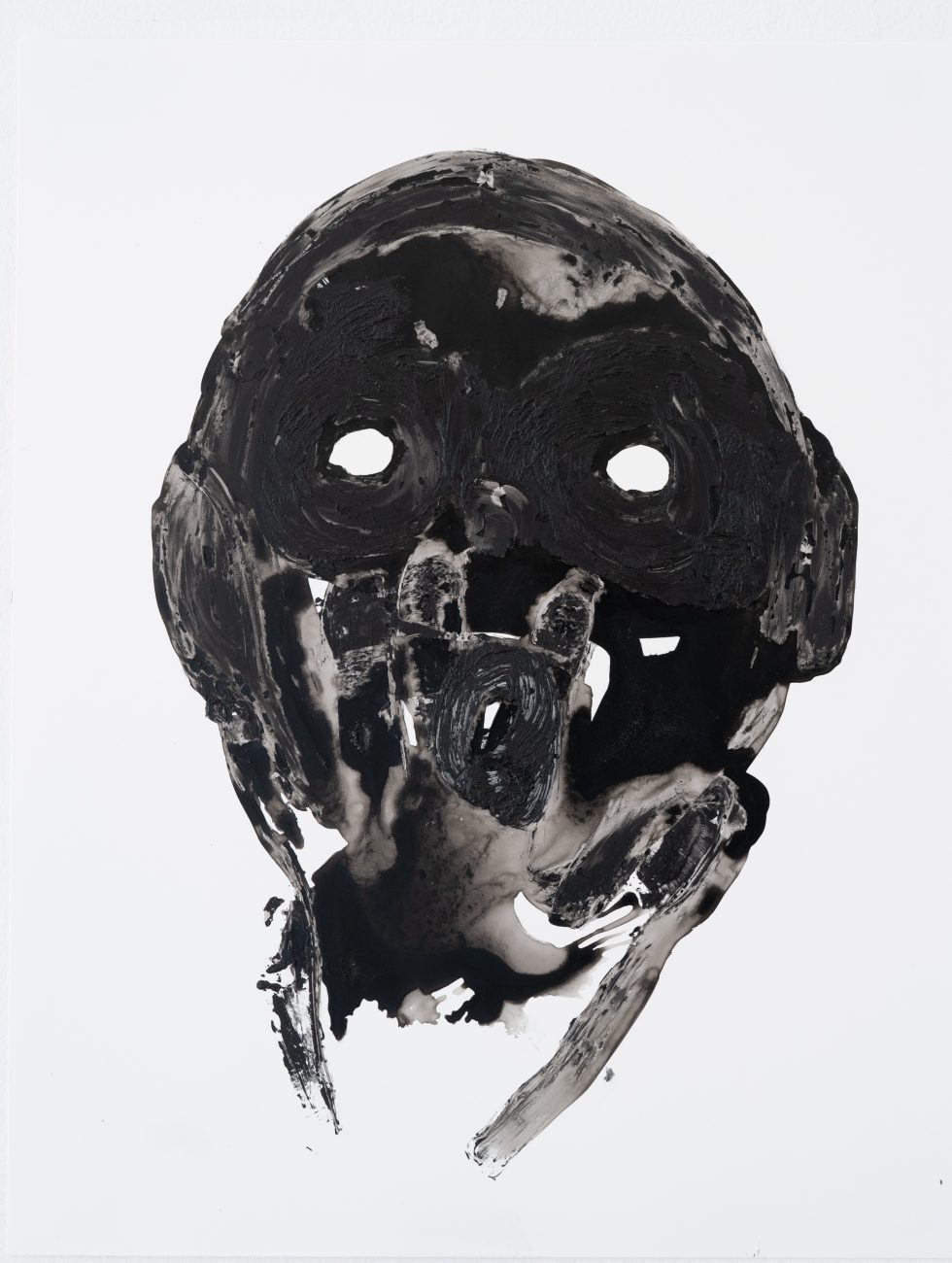
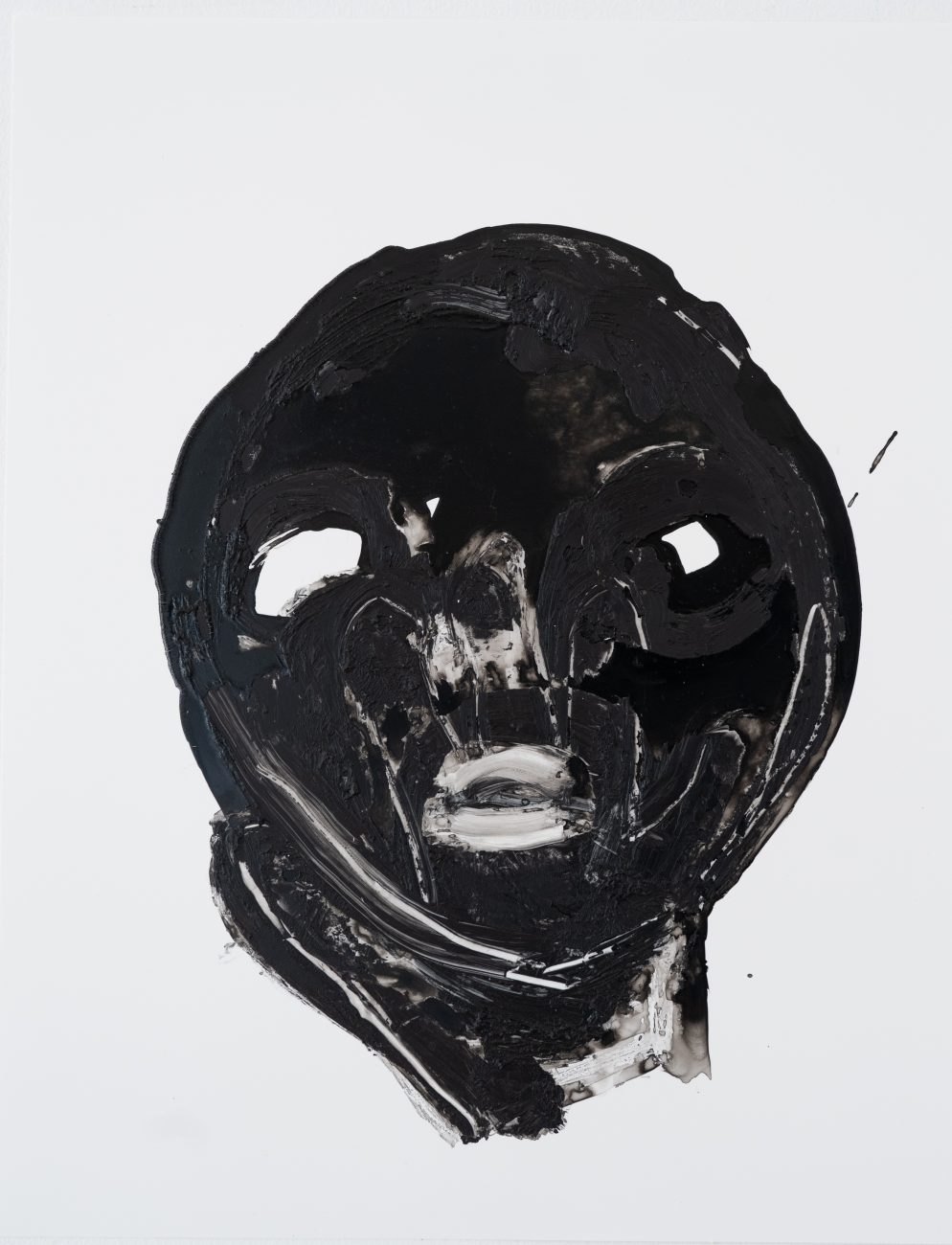
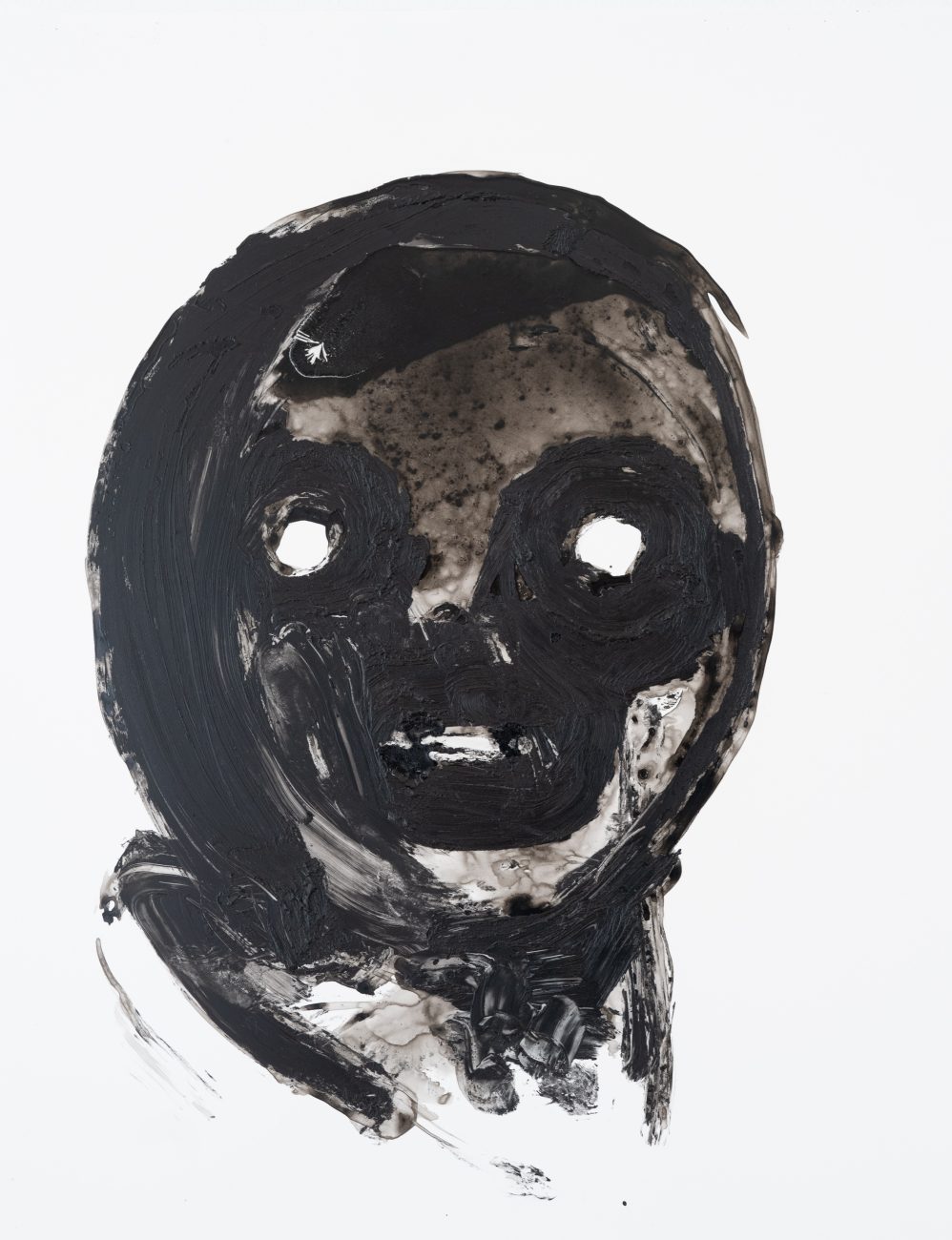
I made an audience. This audience is comprised of mask-like ink and oil stick drawings. Each with small openings suggesting piercing eyes. These drawings are emotive, and I am very happy with them as a stand-alone series.
The parts of self:
The parts of Self all contain the hand within them. The hand is an affirmation of my presence on this earth, an animal, that I am here, that I exist.
The drawing on large paper:
The paper came very late in the planning of the performance, and I was not sure if I was going to include it. Once I began to draw using a large brush and ink, I found it interesting that the figures seemed to represent a mother and child, an individual, and a bonded couple. Once I thought about bringing this aspect into the performance, it became an essential part of the transference of the black markings of oil paint. It created a connection with the ideas of transference in the earlier photographic works.
This element is now an essential part in future iterations of the performance.